
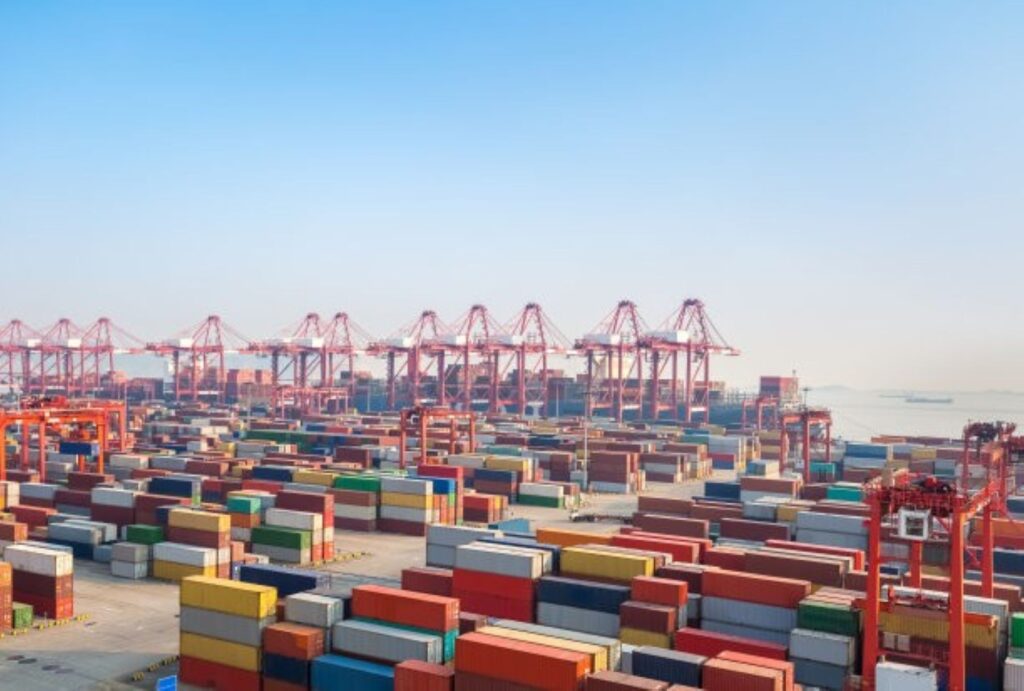
From port infrastructure to shipping and logistics ecosystems, Europe is reshaping maritime value chains into low-carbon, energy-integrated systems
从港口基础设施到航运与物流生态系统,欧洲正将海洋价值链重塑为低碳、能源一体化的体系。
Introduction
Across Europe, the transformation of ports is expanding beyond infrastructure upgrades into a broader reconfiguration of the maritime sector. What was once primarily a logistics-driven system is now evolving into an integrated ecosystem where ports, shipping, and logistics are jointly reshaped by decarbonisation imperatives.
This shift reflects the growing recognition that emissions from maritime transport cannot be addressed in isolation. Ports, vessels, and hinterland logistics are interdependent components of a single value chain. As a result, the concept of “green ports” is increasingly linked to the wider maritime economy, including shipping operations, freight logistics, and energy supply systems.
European policy frameworks are accelerating this transition, promoting not only cleaner port operations but also low-emission shipping, alternative fuels, and digitalised logistics. In this context, ports are emerging as coordination platforms—connecting energy systems, transport infrastructure, and industrial activity.
This systemic transformation opens new pathways for cooperation between Europe and China, particularly in areas where integrated solutions—rather than isolated technologies—are required to achieve meaningful decarbonisation outcomes.
引言
在整个欧洲,港口转型已不再局限于基础设施升级,而是拓展为对海事行业更广泛的重构。曾经以物流为主导的体系,如今正发展为一个融合式生态系统,港口、航运与物流在脱碳要求的驱动下实现协同升级。
这一转变反映出业界日益清晰的共识:海运排放问题无法孤立解决。港口、船舶与内陆物流同属一条价值链,彼此相互依存。因此,“绿色港口” 理念正日益与更广阔的海洋经济紧密相连,涵盖航运运营、货运物流及能源供应体系等多个领域。
欧洲政策框架正加速这一转型进程,不仅推动港口运营更加清洁,还大力支持低碳航运、替代燃料以及数字化物流发展。在此背景下,港口正逐步成为协同枢纽,连接能源系统、交通基础设施与各类产业活动。
这场系统性变革为中欧合作开辟了新路径,尤其在需要综合解决方案、而非单一技术应用才能实现实质性脱碳目标的领域。
Europe’s Transition: From Ports to Integrated Maritime Ecosystems
The evolution of green ports is increasingly embedded within a broader maritime transformation that includes shipping and logistics networks.
Ports are now expected to operate as:
• Low-emission logistics hubs
• Energy integration platforms
• Nodes within decarbonised shipping corridors
• Digital coordination centres for supply chains
This shift reflects both regulatory pressure and operational necessity. Decarbonisation targets in Europe require emissions reductions not only at berth but across the entire maritime transport system.
As a result, ports are aligning infrastructure investments with changes in vessel technology and logistics systems, ensuring that decarbonisation occurs simultaneously across all components of the value chain.
欧洲转型:从港口升级到一体化海事生态系统
绿色港口的发展,正日益融入一场更广泛的海事转型进程,其中涵盖航运与物流网络。
如今,港口被赋予多重定位:
• 低碳物流枢纽
• 能源一体化平台
• 低碳航运通道中的关键节点
• 供应链数字化协调中心
这一转变既是监管压力使然,也是运营发展的必然要求。欧洲的脱碳目标,不仅要求船舶在港期间减排,更要求整个海运运输系统实现减排。
因此,港口正将基础设施投资与船舶技术革新、物流体系升级相适配,确保脱碳进程在价值链各环节同步推进。
Energy Integration: Ports as Gateways for Clean Maritime Fuels
One of the defining features of this transition is the role of ports in enabling the shift toward alternative maritime fuels.
European ports are increasingly developing infrastructure for:
• Hydrogen and ammonia bunkering
• Shore-side electricity for vessels
• Renewable energy integration, particularly offshore wind
• Energy storage and distribution systems
This positions ports as critical gateways for clean energy entering the maritime sector. Without such infrastructure, the decarbonisation of shipping would remain constrained by fuel availability and logistical limitations.
Energy integration also creates synergies between maritime transport and nearby industrial clusters, enabling shared access to low-carbon energy resources.
能源一体化:港口成为清洁海运燃料枢纽
这场转型的核心特征之一,是港口在推动海运替代燃料转型中所扮演的关键角色。
欧洲各港口正加快建设相关基础设施,用于:
• 氢能与氨燃料加注
• 船舶岸电供应
• 可再生能源并网,尤其是海上风电
• 能源存储与配送系统
这使港口成为清洁能源进入海运领域的重要门户。若缺乏此类基础设施,航运脱碳进程将持续受到燃料供给与物流条件的制约。
能源一体化还能促进海运与周边产业集群间的协同发展,实现低碳能源资源的共享利用。
Maritime Decarbonisation: From Port Operations to Shipping Systems
The decarbonisation of shipping is now closely linked to developments in port infrastructure.
Key dynamics shaping this transition include:
• Deployment of low-emission and alternative-fuel vessels
• Development of green shipping corridors between major ports
• Increasing regulatory pressure on maritime emissions
• Integration of port and vessel energy systems
Shipping companies are actively adapting their fleets to align with emerging port capabilities, particularly in relation to fuel availability and emissions requirements.
At the same time, logistics operators are under pressure to decarbonise end-to-end supply chains, extending the scope of transformation beyond maritime transport alone.
海运脱碳:从港口运营到航运体系
航运脱碳如今已与港口基础设施建设紧密相连。
推动这一转型的关键因素包括:
• 低碳及替代燃料船舶的推广应用
• 主要港口间绿色航运走廊的建设
• 针对海运排放的监管压力持续加大
• 港口与船舶能源系统的一体化融合
航运企业正积极调整船队,以适配港口不断提升的配套能力,尤其是在燃料供应和排放要求方面。
与此同时,物流运营商也面临着端到端供应链脱碳的压力,使得转型范围不再局限于海运环节本身。
Clean Logistics: Extending Decarbonisation Across Supply Chains
The maritime transition increasingly includes logistics systems connecting ports to inland destinations.
This includes:
• Electrification of port-related trucking and rail systems
• Digital platforms for optimising cargo flows
• Integration of low-emission last-mile delivery solutions
• Real-time monitoring of emissions across supply chains
The result is a shift toward fully integrated, low-carbon logistics ecosystems, where ports act as coordination hubs linking maritime and inland transport systems.
Case Insight: Port of Rotterdam as a Green Maritime Hub
The Port of Rotterdam illustrates how European ports are evolving into integrated energy and maritime hubs.
Its strategy combines:
• Large-scale deployment of shore power systems
• Development of hydrogen import and distribution infrastructure
• Participation in carbon capture and storage (CCS) initiatives
• Integration of digital platforms to optimise port and logistics operations
Importantly, Rotterdam is not only decarbonising port activities but also actively supporting the transition of shipping and industrial sectors connected to the port.
This model demonstrates how ports can function as system integrators, aligning infrastructure, energy, and maritime operations within a single framework.
Case Insight: Maersk and the Decarbonisation of Global Logistics
Within the maritime sector, Maersk represents a leading example of how shipping and logistics companies are adapting to the green transition.
Its approach includes:
• Investment in methanol-powered container vessels
• Development of green shipping corridors in partnership with ports
• Offering end-to-end low-emission logistics solutions to customers
• Leveraging digital platforms to optimise routing and reduce emissions
Maersk’s strategy highlights the interdependence between ports and shipping. The deployment of alternative-fuel vessels depends on port infrastructure, while ports rely on shipping operators to drive demand for new energy systems.
This alignment between infrastructure and operations is essential for scaling decarbonisation across the maritime sector.
清洁物流:将脱碳延伸至全供应链
海事转型正逐步覆盖连接港口与内陆目的地的物流体系。
主要举措包括:
• 港口配套卡车与铁路系统电气化
• 优化货物流转的数字化平台
• 整合低碳末端配送解决方案
• 供应链全链路排放实时监测
这推动了向高度一体化、低碳物流生态系统的转变,港口成为衔接海运与内陆运输体系的协调枢纽。
案例洞察:鹿特丹港 —— 绿色海事枢纽
鹿特丹港展现了欧洲港口如何向一体化能源与海事枢纽升级。
其战略整合了:
• 大规模部署岸电系统
• 建设氢气进口与配送基础设施
• 参与碳捕集与封存(CCS)项目
• 运用数字化平台优化港口及物流运营
重要的是,鹿特丹港不仅实现自身运营脱碳,还积极带动关联航运及产业领域的转型。
这一模式印证了港口可作为系统集成者,在统一框架下统筹基础设施、能源与海事运营。
案例洞察:马士基与全球物流脱碳
在海事领域,马士基是航运与物流企业适应绿色转型的行业标杆。
其策略包括:
• 投资甲醇动力集装箱船
• 与港口合作打造绿色航运走廊
• 为客户提供端到端低碳物流解决方案
• 借助数字化平台优化航线、减少排放
马士基的战略凸显了港口与航运的相互依存关系。替代燃料船舶的应用依赖港口配套设施,而港口则依靠航运企业拉动新能源系统需求。
基础设施与运营模式的协同,是在海事领域规模化推进脱碳的关键。
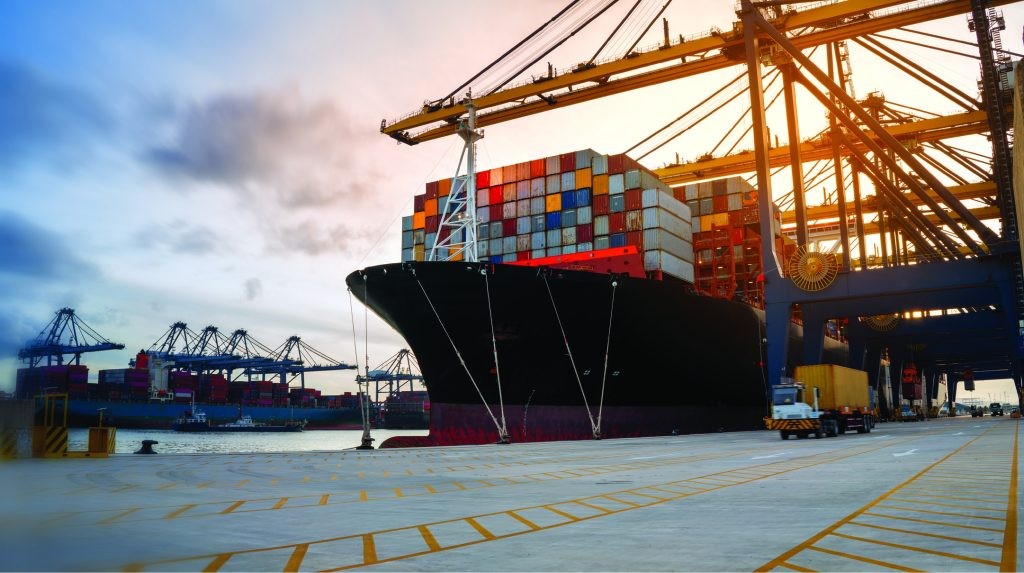
A Constructive China–EU Cooperation Framework
The transformation of ports into integrated maritime ecosystems creates strong foundations for China–EU cooperation.
Both regions bring complementary strengths:
• Europe
Advanced regulatory frameworks, environmental standards, and expertise in port management and engineering
• China
Scalable manufacturing capabilities, rapid deployment of infrastructure, and competitive technologies in electrification and energy systems
Key areas of collaboration might include:
• Development of alternative fuel supply chains
• Integration of smart port and logistics systems
• Joint participation in green shipping corridor initiatives
• Scaling infrastructure solutions for global maritime networks
This cooperation framework is not based on substitution but on complementarity, ensuring that both regions strengthen their industrial ecosystems while advancing shared climate objectives.
建设性的中欧合作框架
港口向一体化海事生态系统转型,为中欧合作奠定了坚实基础。
双方具备互补优势:
• 欧洲
先进的监管框架、环境标准,以及港口管理与工程领域的专业经验
• 中国
规模化制造能力、基础设施快速落地能力,以及在电气化和能源体系方面具备竞争力的技术
重点合作领域可包括:
• 替代燃料供应链建设
• 智慧港口与物流系统一体化
• 共同参与绿色航运走廊项目
• 面向全球海运网络推广规模化基础设施解决方案
这一合作框架并非基于相互替代,而是优势互补,确保双方在实现共同气候目标的同时,强化各自产业生态。
Where This Transformation Creates Value
The expansion of green ports into the broader maritime sector generates value across multiple dimensions:
• Shipping companies transitioning to low-emission fleets
• Logistics operators optimising sustainable supply chains
• Industrial clusters accessing clean energy
• Port authorities enhancing competitiveness and resilience
In each case, value is created through integration: clean energy + efficient logistics + digital coordination + maritime operations.
In this regard, CNEUCN actively operates as a cross-system platform connecting European and Chinese stakeholders across the maritime, energy, and industrial sectors in:
• Facilitating dialogue on integrated port–shipping–logistics decarbonisation strategies
• Supporting partnerships between port authorities, shipping companies, and technology providers
• Providing advisory services on cross-border infrastructure and energy projects
• Enabling pilot initiatives linking European and Chinese actors in green maritime ecosystems
转型所创造的价值
绿色港口向更广泛海事领域延伸,在多个层面创造价值:
• 航运企业向低碳船队转型
• 物流运营商优化可持续供应链
• 产业集群获得清洁能源供给
• 港口管理机构提升竞争力与抗风险能力
在上述各个领域,价值均通过一体化融合实现:清洁能源 + 高效物流 + 数字化协同 + 海事运营。
有鉴于此,CNEUCN 作为跨系统平台,积极联动中欧海事、能源及工业领域各方参与者,开展以下工作:
• 推动港口 — 航运 — 物流一体化脱碳战略对话
• 支持港口管理方、航运企业与技术供应商建立合作关系
• 为跨境基础设施及能源项目提供咨询服务
• 推动中欧机构在绿色海事生态领域开展试点合作项目
Conclusion
The evolution of green ports marks a broader transformation of the maritime sector, extending from infrastructure to shipping and logistics systems. This transition is redefining how energy, transport, and industrial value chains interact within the blue economy.
European ports are emerging as central nodes in this transformation, not only facilitating trade but enabling the decarbonisation of entire maritime ecosystems. At the same time, shipping companies and logistics operators are adapting their operations to align with new infrastructure and regulatory environments.
China–EU cooperation can play a decisive role in accelerating this transition. By combining complementary capabilities and aligning strategic priorities, both regions can support the development of scalable, efficient, and sustainable maritime systems.
In this context, CNEUCN acts as a bridge—facilitating structured collaboration, supporting industrial alignment, and enabling practical pathways toward a low-carbon maritime future.
结论
绿色港口的发展标志着海事领域更广泛的转型,其范围已从基础设施延伸至航运与物流体系。这一转型正在重新定义蓝色经济中能源、交通与产业价值链的互动模式。
欧洲港口正成为这场变革的核心节点,不仅促进贸易往来,更推动整个海事生态系统实现脱碳。与此同时,航运企业与物流运营商也在调整运营模式,以适配全新的基础设施与监管环境。
中欧合作能够为加速这一转型发挥决定性作用。通过整合互补优势、协调战略重点,双方可共同推动构建可规模化、高效且可持续的海运体系。
在此背景下,CNEUCN 发挥着桥梁作用 —— 促进有序协作、推动产业协同,并为迈向低碳海运未来提供切实可行的实施路径。
#GreenPorts #绿色港口
#BlueEconomy #蓝色经济
#MaritimeDecarbonisation #海运脱碳
#SustainableShipping #可持续航运
#GreenLogistics #绿色物流
#EUChinaCooperation #中欧合作
#EnergyTransition #能源转型
#CleanMaritime #清洁海运
#Maersk #马士基
 ZH
ZH