
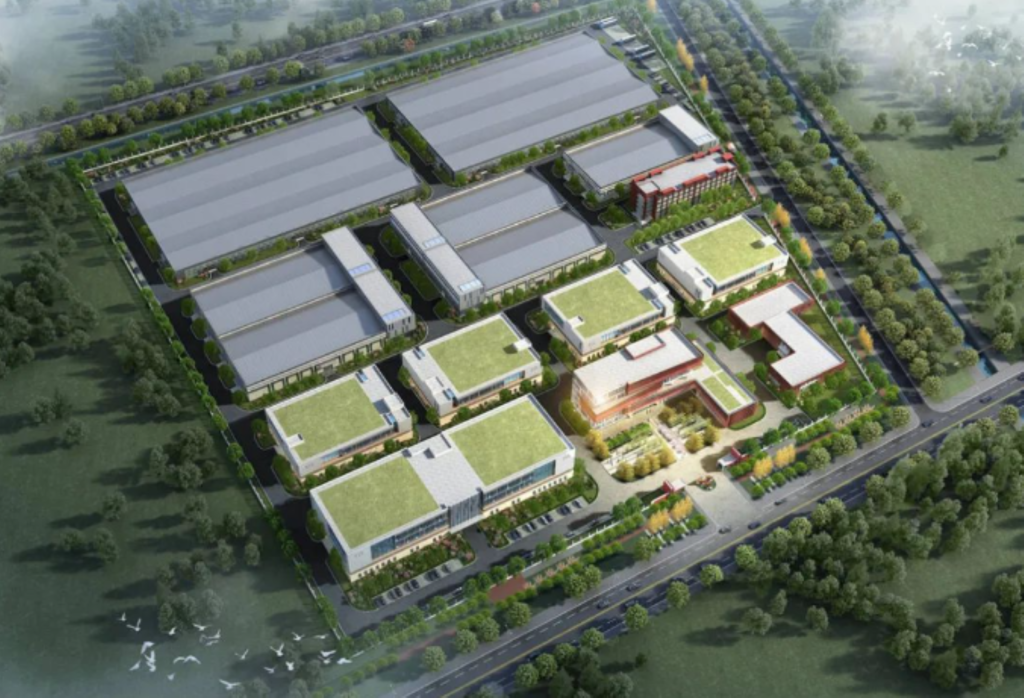
Overall Approach & Cooperation Proposal for Development of Zero-Carbon Industrial Parks
零碳产业园整体开发思路及合作方案
Background and Opportunities
Under the context of China’s national “Dual Carbon” goals, the transition toward a green and low-carbon economy has become the driving force for high-quality regional development. As the primary hubs for industrial agglomeration, Industrial Parks serve as critical implementation units for achieving Carbon Peaking and Carbon Neutrality.
Chinese cities have the needs to implement the national dual carbon goal strategy. Cities have also the need to attract financial and industrial investments.
The dual carbon strategy is also the way to set up a new economic development model which can attract investments, create new highly skilled jobs then guarantee tax revenues based on effective value creation.
Foreign and also Chinese industries, as requested, by the mandatory corporate targets, are looking for locations which can provide suitable infrastructure and supporting facilities in order to reduce their global carbon footprint. Then they can invest to set up or relocate their facilities and offices in such locations.
Carbon Zero parks will support the job creation and taxes to feed cities.
Actually, even the setting up stage of proper infrastructure and facilities can be already a time for attraction of investment by the creation of new energy power stations, utilities infrastructures, new mobility solution, waste and water management system.
In recent years, the central government has introduced a series of policies to support the development of Zero-Carbon Parks and green initiatives. This support is further bolstered by financial subsidies, special funds, green finance instruments, and the establishment of pilot demonstration projects.
Furthermore, promoting the construction of Zero-Carbon Parks is conducive to:
• Accelerating Industrial Upgrading
• Enhancing Park Competitiveness
• Reducing Energy Costs for Enterprises
• Attracting High-Quality investment
All the industries and major companies have to respect carbon emission target at worldwide scale. It means that they will be looking for location, to set up or relocated their operational and production plants, which can provide “clean energy” and suitable infrastructures to be able to calculate and control their greenhouses gasses emissions. In this way, the upcoming tool to attract investment and to avoid to lose the present companies, will be to provide them such location.
背景与机遇
在国家 “双碳” 目标背景下,绿色低碳经济转型已成为区域高质量发展的核心驱动力。产业园区作为产业集聚的主要载体,是落实碳达峰、碳中和目标的关键落地单元。
国内各城市既有落实国家双碳战略的现实需求,也存在引进金融与产业投资的迫切需要。
双碳战略同时能够构建全新的经济发展模式:依托有效的价值创造,吸引投资、新增高端技能岗位,进而稳定地方财税收入。
受强制性碳排放考核指标约束,国内外企业均在寻求具备完善基础设施与配套服务的落地载体,以此缩减全球碳足迹,并选址投资新设或搬迁生产办公设施。
零碳产业园能够助力城市创造就业岗位、涵养财税税源。
事实上,在园区基础设施与配套设施的建设阶段,即可通过布局新能源电站、公用事业配套、新型交通解决方案、固废与水务治理系统等业态,提前形成投资吸引力。
近年来,中央已陆续出台一系列政策,扶持零碳产业园建设及各类绿色低碳发展行动;同时辅以财政补贴、专项基金、绿色金融工具,并布局试点示范项目,进一步强化政策支撑力度。
此外,推进零碳产业园建设有利于:
• 加速产业转型升级
• 提升园区综合竞争力
• 降低企业用能成本
• 集聚优质高端投资
当前,全球各行各业及头部企业均需遵守统一的碳排放管控目标。这意味着企业在选址新建或迁址运营生产基地时,会优先选择可提供清洁能源、配套设施完善,且能够实现温室气体排放核算与管控的区域。未来,能否提供这类零碳落地载体,将成为城市招商引资、留住存量企业的核心竞争力。
Overall approach for zero-carbon industrial park development
To achieve the goals of Zero-Carbon Industrial Park construction, a strategic path consisting of “Master Planning, Phased Execution, and Project Delivery” shall be adopted. This approach ensures a progressive transition toward low-carbon operations and long-term sustainable development for the park.
Developing a Master Plan for the Zero-carbon Industrial Park
By conducting a systematic evaluation of the park’s current status, a clear implementation path for zero-carbon construction will be defined, including:
• Carbon Baseline Assessment
• Energy Structure Analysis
• Industrial Structure Evaluation
• Target Setting
• Implementation Roadmap Development
The Master Plan provides a systematic implementation framework for the park’s zero-carbon transition. Furthermore, it serves as the foundational technical support for policy alignment, government accreditation, and subsidy applications.
Advancing the Systematic Design of the Zero-Carbon Industrial Park
Building on the Master Plan, a comprehensive systematic design for the Zero-Carbon Industrial Park will be implemented, covering the following key areas:
• Zero-Carbon Energy: Develop renewable energy-driven power systems, integrate energy storage, and ensure at least 70% of park energy consumption comes from clean energy. Specifically:
1. Prioritize renewable power replacement, increasing green electricity proportion via distributed photovoltaic, wind power, agro-photovoltaic and fishery-photovoltaic projects.
2. Build energy storage systems (e.g., centralized and distributed storage devices) for intelligent charging-discharging scheduling to boost green electricity consumption.
3. Promote source-grid-load-storage integration, establish a collaborative scheduling platform, and optimize energy supply-demand balance.
• Zero-Carbon Industries: Focus on low-energy, low-emission, high-output and high-value-added industries. Adopt efficient technologies, prioritize zero/low-carbon materials in production, and implement full industrial carbon footprint management.
• Zero-Carbon Transport: Establish green transportation and logistics systems with over 80% new energy vehicles.
• Zero-Carbon Buildings: Ensure all new buildings meet green building standards and implement measures to reduce building carbon intensity.
• Zero-Carbon Facilities: Promote recycling and waste reduction, advance industrial solid waste recovery, waste heat & pressure utilization, and reclaimed water recycling for waste-to-value conversion. Ensure green lighting covers ≥90% of public spaces and park green coverage reaches at least 15%.
• Digital Carbon Management: Use digital tools (AI, IoT, big data) to real-time monitor energy use and emissions, establish carbon credit archives, and connect park platforms with broader carbon management systems.
• Negative Carbon Technologies: Integrate carbon capture and storage (CCS) with ecological carbon sequestration to achieve absolute carbon reductions.
This integrated systematic design will optimize the park’s energy structure and realize quantifiable carbon emission reductions.
零碳产业园整体开发思路
为实现零碳产业园建设目标,将采用总体规划 — 分期实施 — 项目落地的战略路径。该开发模式可推动园区逐步实现低碳运营,保障长期可持续发展。
编制零碳产业园总体规划
通过对园区现状进行系统性研判,明确零碳建设实施路径,主要包含:
• 碳排放基线评估
• 能源结构分析
• 产业结构研判
• 发展目标设定
• 编制实施路线图
总体规划为园区零碳转型提供系统化实施框架,同时为政策对接、政府认证、补贴申报提供核心技术支撑。
推进零碳产业园系统规划设计
在总体规划基础上,开展零碳产业园全域系统设计,涵盖七大核心板块:
• 零碳能源: 构建可再生能源驱动的电力系统,配套储能设施,确保园区清洁能源占比不低于 70%。具体举措:
1. 优先推进可再生能源替代,通过分布式光伏、风电、农光互补、渔光互补等项目提升绿电占比;
2. 建设集中式 + 分布式储能系统,实现智能充放电调度,提高绿电消纳利用率;
3. 推行源网荷储一体化,搭建协同调度平台,优化能源供需平衡。
• 零碳产业: 聚焦低能耗、低排放、高产出、高附加值产业;生产端采用高效节能技术、优先使用零碳 / 低碳原材料,实行全产业链碳足迹管理。
• 零碳交通: 搭建绿色交通与物流体系,新能源车辆占比达 80% 以上。
• 零碳建筑: 新建建筑全部达到绿色建筑标准,推行建筑碳强度减排管控措施。
• 零碳配套设施: 推行循环利用与减量减排,推进工业固废回收、余热余压利用、中水回用,实现废弃物资源化;园区公共区域绿色照明覆盖率≥90%,绿地率不低于15%。
• 数字化碳管理: 运用人工智能、物联网、大数据等数字化工具,实现用能与碳排放实时监测;建立碳台账档案,打通园区平台与全域碳管理系统互联互通。
• 负碳技术布局: 融合碳捕集与封存(CCS)技术及生态固碳方式,实现园区碳排放量绝对值削减。
通过一体化系统设计,全面优化园区能源结构,实现可量化、可核算的碳排放减量目标。
Accelerating the Implementation of Key Projects
Based on the specific conditions of the park, key construction projects will be advanced in phased stages:
• Distributed Photovoltaics (PV)
• Energy Storage Projects
• Smart Energy Management System Industrial Energy-Saving Retrofits
• Zero-Carbon Building Construction
• Green & Smart Mobility
The implementation of these key projects will lead to the gradual realization of the park’s zero-carbon goals. Concurrently, these projects will serve as the physical basis for policy filings and government subsidy applications.
加快重点项目落地实施
结合园区实际现状,分期分批推进以下重点建设项目:
• 分布式光伏项目
• 储能项目
• 智慧能源管理系统、工业节能改造项目
• 零碳建筑建设
• 绿色智慧交通体系
上述重点项目分批落地推进,将助力园区逐步达成零碳建设目标;同时也可为政策申报、政府补贴申请提供实体项目支撑依据。
Investment Attraction and Economic Development Opportunities
One of the most important but often overlooked aspects of zero-carbon industrial parks is their role as platforms for economic development and investment attraction.
According to CNEUCN’s proposal framework, industrial decarbonisation infrastructure itself can become a catalyst for new investment during both the construction phase and long-term operation phase.
Creating Attractive Conditions for Global Industry
As global industries face growing pressure to reduce emissions and comply with ESG-related requirements, companies increasingly seek locations capable of providing:
• Clean and stable energy;
• Smart infrastructure;
• Sustainable logistics systems;
• Carbon transparency;
• Reliable regulatory environments.
Industrial parks capable of offering these conditions may gain significant advantages in attracting:
• Advanced manufacturing;
• Green technology industries;
• International supply-chain operations;
• Research and innovation centres;
• Sustainable industrial clusters.
From Infrastructure Investment to Regional Growth
Zero-carbon park development can also stimulate wider economic activity through:
• Renewable energy infrastructure construction;
• Smart mobility systems;
• Water and waste management infrastructure;
• Building retrofits and green construction;
• Digital platform deployment;
• Energy service ecosystems.
These investments create not only environmental benefits, but also:
• Skilled employment opportunities;
• Technology transfer;
• Industrial upgrading;
• New business ecosystems;
• Long-term fiscal and economic value creation.
A Platform for Future Industrial Positioning
In many cases, the future competitiveness of cities and industrial regions may depend on whether they can position themselves as destinations for sustainable industrial development.
This is particularly important for regions seeking to:
• Retain existing manufacturers;
• Attract international investment;
• Upgrade industrial structures;
• Develop resilient supply chains;
• Align with future global sustainability requirements.
Zero-carbon industrial parks therefore represent not only environmental infrastructure, but also strategic platforms for long-term economic transformation.
招商引资与经济发展机遇
零碳产业园最关键却常被忽视的价值,是其作为经济发展与招商引资承载平台的作用。
依据中欧相关规划框架,产业脱碳配套基础设施,无论在建设期还是长期运营期,本身都可成为新增投资的催化剂。
打造适配全球产业的优质营商条件
全球企业面临日益增大的减排压力及 ESG 合规要求,越来越多企业倾向选址具备以下条件的区域:
• 清洁且稳定的能源供给
• 智慧基础设施配套
• 可持续物流体系
• 碳排放透明化管理
• 稳定规范的政策营商环境
具备以上条件的产业园,将在以下领域招商引资中形成显著优势:
• 高端先进制造业
• 绿色科技产业
• 国际供应链运营业态
• 研发创新中心
• 可持续产业集群
从基础设施投资到区域经济增长
零碳产业园建设还可通过以下领域带动全域经济活力:
• 可再生能源基础设施建设
• 智慧交通系统搭建
• 水务与固废治理基础设施
• 建筑改造与绿色建筑工程
• 数字化平台落地部署
• 能源服务生态体系构建
此类投资不仅产生生态环境效益,更能带来:
• 高端技能就业岗位
• 产业技术外溢与转移
• 区域产业结构升级
• 培育全新商业生态
• 创造长期财税与经济价值
城市未来产业定位战略载体
城市及产业片区的未来核心竞争力,很大程度取决于能否打造成为可持续产业发展优选目的地。这对于有以下发展诉求的地区尤为重要:
• 留住本地存量制造企业
• 吸引国际产业投资
• 推动产业结构转型升级
• 构建韧性供应链体系
• 对接全球未来可持续发展规则要求
因此,零碳产业园不仅是生态环保基础设施,更是支撑区域长期经济转型的战略平台。
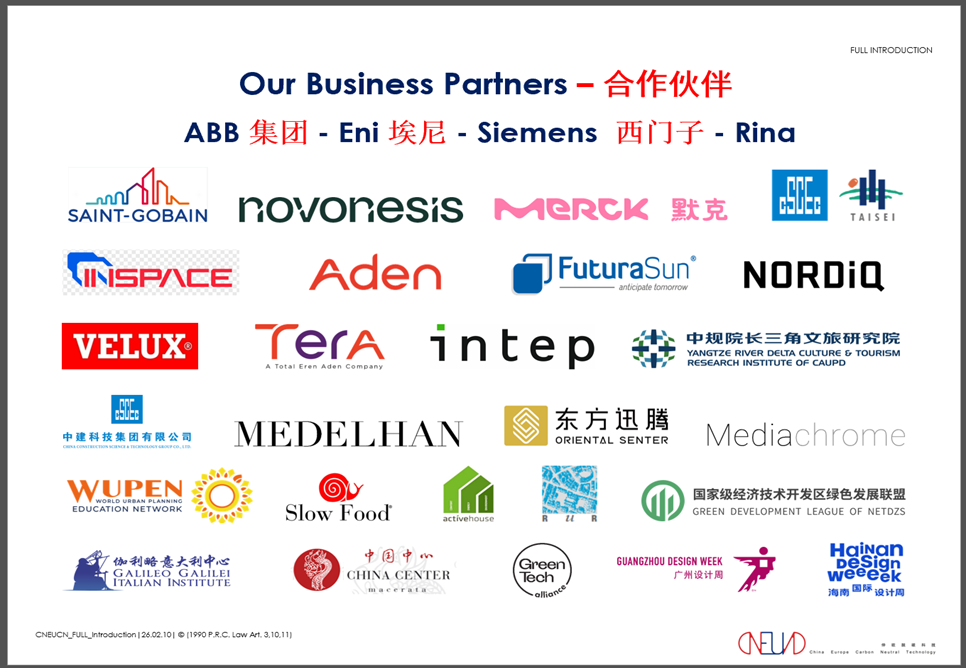
CNEUCN’s Contribution and Advantages
We, CNEUCN, in strategic partnership with leading European and Chinese technology providers, has established a robust Zero-Carbon Industrial Park Ecosystem. This ecosystem integrates six core pillars:
1.Industrial & Design Planning (Upstream)
2.Construction – EPC (Midstream)
3.Clean Energy & Energy Systems
4.Circularity & Environmental Protection (Water & Solid Waste)
5.Operations & Management (Entire Park and individual buildings)
6.Verification, Certification & Subsidy Application
CNEUCN offers local governments integrated, turnkey solutions—seamlessly bridging the gap between top-level strategic planning and on-site implementation. Furthermore, it provides specialized consultancy and technical assistance to help successfully developed Zero-Carbon Parks navigate the complexities of policy accreditation and fiscal subsidy. CNEUCN, offers the fastest, most efficient, and economically competitive solutions for any scale of decarbonization needs.
CNEUCN 核心优势与价值贡献
我方 CNEUCN 联合欧洲及国内顶尖技术服务商,构建了成熟完善的零碳产业园全生态体系。该生态涵盖六大核心业务板块:
1.产业与规划设计(上游)
2.工程建设总承包 EPC(中游)
3.清洁能源与综合能源系统
4.循环经济与生态环保(水务及固废处置)
5.运营管理(全域园区及单体建筑)
6.核查认证与政策补贴申报
CNEUCN 可为地方政府提供一体化交钥匙解决方案,无缝衔接顶层战略规划与落地实施。同时提供专业咨询与技术支持,助力已建成零碳产业园顺利完成政策认定、财政补贴申报等复杂流程。
无论何种规模的产业脱碳需求,CNEUCN 均可提供落地最快、效率最高、经济成本最优的整体解决方案。
Recommendations for Project Application and Implementation
It is highly recommended that Zero-Carbon Industrial Park projects be integrated into the National Major Construction Project Database in advance. Early preparation of core materials is essential to increase the success rate.
Key Application Documents Required:
• Project Construction Proposal: A comprehensive outline of the park’s development scope and technical framework.
• Investment Estimation & Financing Plan: Detailed capital expenditure (CAPEX) projections and diversified funding strategies.
• Quantifiable Energy-Saving and Carbon-Reduction Indicators: Clear metrics and KPIs demonstrating the project’s environmental impact.
• Energy Conservation Assessment & Technical Solutions: A formal evaluation of energy efficiency and the specific technologies to be deployed.
项目申报与实施建议
建议将零碳产业园项目提前纳入国家重大建设项目库。提前备齐核心申报材料,是提升申报通过率的关键。
必备核心申报文件:
• 项目建设建议书:全面阐述园区开发范围与整体技术框架。
• 投资估算及融资方案:列明详细资本开支(CAPEX)测算,制定多元化资金筹措策略。
• 可量化节能降碳指标:明确可核算指标与关键绩效指标(KPI),体现项目生态减排效益。
• 节能评估及技术实施方案:开展正式节能效益评估,并明确拟落地的专项技术方案。
Outlook
Zero-carbon industrial parks are a core trend of industrial transformation.Their success needs renewable energy plus integrated planning, smart infrastructure, industrial upgrading, digital management, circular economy and long-term operation strategies.
With its multidisciplinary ecosystem and partnerships, CNEUCN helps governments, parks, investors and enterprises achieve sustainable development, investment growth and carbon neutrality.
For relevant stakeholders, close collaboration and systematic planning will be indispensable going forward.
未来展望
零碳产业园是产业转型升级的核心发展趋势。其成功落地,离不开可再生能源,以及整体规划、智慧基建、产业升级、数字化管理、循环经济和长效运营体系的协同支撑。
依托多领域专业生态资源与合作网络,CNEUCN 可为地方政府、园区平台、投资方及入驻企业,实现可持续发展、投资增值与碳中和目标。
面向未来,各方相关主体开展紧密协作、进行系统性规划,将成为不可或缺的关键举措。
 ZH
ZH