
Advancing Solid Waste Resource Recovery across Coal, Petrochemical and Fine Chemical Industries
推进煤化工、石油化工与精细化工行业的固体废物资源化利用
Introduction
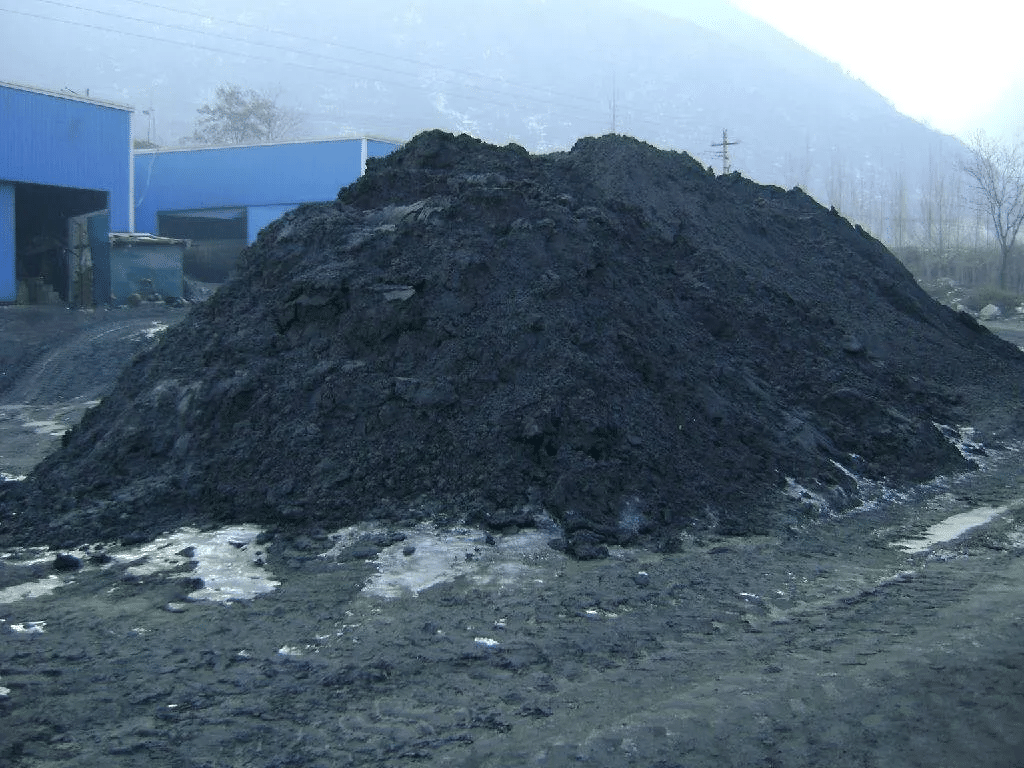
Gasification is widely used to convert carbon-containing feedstocks into synthesis gas, which can subsequently serve as a basis for producing chemicals, fuels, hydrogen and other industrial products. While the syngas is the principal output, the process also generates solid residues and other by-products.
For industries relying on coal and carbon-based feedstocks, the management of these residues is increasingly connected with broader resource-efficiency objectives. Instead of viewing solid residues only through the lens of waste disposal, resource recovery approaches can investigate their material composition, identify potentially recoverable components and determine suitable downstream applications.
This approach is particularly relevant to coal, petrochemical and fine chemical industries, where large-scale industrial processes can generate substantial quantities of mineral-rich solid residues.
引言
气化技术被广泛用于将含碳原料转化为合成气,合成气随后可作为生产化学品、燃料、氢气及其他工业产品的基础。虽然合成气是主要产物,但该过程同样会产生固体残渣及其他副产品。
对于依赖煤炭及碳基原料的行业而言,这些残渣的管理正日益与更广泛的资源效率目标相关联。与其仅从废物处置的视角看待固体残渣,资源化回收方法可以研究其物质组成、识别潜在可回收的组分,并确定合适的下游应用场景。
这一方法对煤化工、石油化工和精细化工行业尤为重要,这些行业的大规模工业过程会产生大量富含矿物质的固体残渣。
Resource Recovery Connects Waste Management with Industrial Material Cycles
The transition from waste disposal to resource recovery requires more than identifying a potential use for a residue. The material must first be characterized, treated where necessary and matched with an appropriate application.
The European Union-funded AshCycle project, for example, examines how underutilized mineral residues can be recovered and incorporated into new material cycles. The project focuses on ashes from municipal solid waste, biomass and sewage sludge, with particular attention to the recovery of metals, nutrients, rare earth elements and other industrially valuable minerals.
AshCycle demonstrates this type of systematic approach. Its research includes the characterization of ash samples, recovery of metals and rare earth elements, treatment of hazardous elements and the development of ash-based materials for construction and wastewater treatment. The project also developed digital tools to match ash characteristics with application requirements and assess environmental and economic factors.
This methodology is relevant when considering gasification slag.
Rather than assuming that all gasification slag can be used in the same way, resource recovery requires consideration of:
• Material composition: mineral phases, metals and other components contained in the slag;
• Process conditions: feedstock characteristics and gasification parameters influencing residue properties;
• Treatment requirements: processing or stabilization needed before downstream use;
• Application suitability: compatibility with construction materials, industrial processes or other secondary-resource applications;
• Environmental performance: potential leaching, emissions and overall lifecycle impacts;
• Economic feasibility: transportation, processing, recovery and downstream utilization costs.
Such an approach can help establish a more structured pathway from industrial residue generation to secondary-resource utilization.
资源回收:连接废弃物管理与工业物质循环
从废弃物处置向资源回收的转变,需要的不仅仅是识别某种残渣的潜在用途。物料必须先经过特性表征,必要时进行预处理,再与合适的应用场景相匹配。
例如,欧盟资助的 AshCycle 项目正在研究如何回收未被充分利用的矿物残渣,并将其纳入新的物质循环。该项目重点关注来自城市固体废弃物、生物质和污水污泥的灰渣,尤其关注金属、营养物质、稀土元素及其他具有工业价值的矿物的回收。
AshCycle 展示了这种系统性方法。其研究包括:灰渣样品的特性表征、金属与稀土元素的回收、有害元素的处理,以及开发用于建筑和废水处理的灰渣基材料。项目还开发了数字化工具,用于将灰渣特性与应用需求相匹配,并评估环境与经济因素。
这套方法论同样适用于气化炉渣(gasification slag)的考量。
与其假定所有气化炉渣都能以相同方式利用,资源回收需要考量:
• 物质组成:炉渣中所含的矿物相、金属及其他组分;
• 工艺条件:影响残渣特性的原料特征与气化参数;
• 处理要求:下游利用前所需的加工或稳定化处理;
• 应用适配性:与建筑材料、工业工艺或其他二次资源应用的兼容性;
• 环境绩效:潜在的浸出、排放及全生命周期影响;
• 经济可行性:运输、处理、回收及下游利用的成本。
这种方法有助于建立一条从工业残渣产生到二次资源利用的更结构化路径。
Gasification Slag Has Potential for Further Utilization
Gasification slag is produced during the conversion of solid carbon-based feedstocks through high-temperature gasification. Its physical and chemical characteristics differ from those of conventional municipal waste incineration ash, meaning that its utilization pathways need to be assessed according to the specific gasification process and feedstock.
For coal and petrochemical applications, the question is therefore not simply how to dispose of the slag, but whether its mineral characteristics can support further industrial use.
Potential pathways can include:
• recovery or concentration of useful mineral components;
• incorporation into construction-related materials where technical and environmental requirements are met;
• use as a secondary mineral feedstock;
• further processing to improve material properties;
• integration into regional industrial symbiosis systems
The feasibility of these pathways depends on detailed characterization and regulatory requirements. Consequently, resource recovery should be considered as a process of matching residue characteristics with suitable applications, rather than applying a single utilization solution across different industries.
气化炉渣具有进一步利用的潜力
气化炉渣是固体含碳原料经高温气化转化过程中产生的。其物理和化学特性与传统的城市垃圾焚烧灰渣不同,这意味着其利用途径需要根据具体的气化工艺和原料进行评估。
对于煤炭和石化领域的应用而言,问题不仅仅在于如何处置炉渣,而在于其矿物特性能否支撑进一步的工业利用。
潜在的利用途径可包括:
• 有用矿物组分的回收或富集;
• 在满足技术和环境要求的前提下,掺入建筑材料相关产品;
• 用作二次矿物原料;
• 进一步加工以改善材料性能;
• 融入区域性工业共生体系。
这些途径的可行性取决于详细的特性表征和法规要求。因此,资源回收应被视为一个 “将残渣特性与合适应用相匹配” 的过程,而非在不同行业间套用单一的利用方案。
Thyssenkrupp Uhde and Gasification By-product Utilization
A complementary industrial reference is Thyssenkrupp Uhde, whose gasification portfolio provides a direct example of how by-products from gasification can be incorporated into downstream utilization pathways.
According to Thyssenkrupp Uhde, its Uhde® entrained-flow gasification technology, formerly known as PRENFLO®, produces syngas as the main product while also generating potentially valuable by-products. The company states that slag can be used in road-building, fly ash in the cement industry, while sulfur or sulfuric acid can be recovered and marketed.
This provides a particularly relevant reference for the resource recovery of gasification slag because it demonstrates an industrial approach in which the gasification process is considered as a broader material-value chain rather than a system focused solely on syngas production.
Thyssenkrupp Uhde also highlights the flexibility of its gasification technology to process low-value feedstocks and waste materials. Its applications cover chemical and refinery industries, waste-to-energy and the production of methanol, ammonia, urea, hydrogen, synthetic fuels and other products.
For the coal, petrochemical and fine chemical sectors, this reference illustrates how gasification can be positioned within an integrated industrial system in which both primary products and selected by-products are considered in process design.
蒂森克虏伯伍德与气化副产物利用
一个具有互补性的工业参考案例是蒂森克虏伯伍德(Thyssenkrupp Uhde),其气化业务组合提供了一个直接范例,展示了气化副产物如何纳入下游利用途径。
据蒂森克虏伯伍德介绍,其 Uhde® 气流床气化技术(原称 PRENFLO®)以生产合成气为主要产品,同时也会产生具有潜在价值的副产物。该公司表示,炉渣可用于道路建设,飞灰可用于水泥行业,硫磺或硫酸则可回收并对外销售。
这对于气化炉渣的资源回收而言是一个尤为相关的参考,因为它展示了一种工业思路:将气化工艺视为一条更广泛的物料价值链,而非一个仅以合成气生产为核心的系统。
蒂森克虏伯伍德还强调其气化技术在处理低价值原料和废弃物方面的灵活性。其应用涵盖化工与炼油行业、垃圾发电,以及甲醇、氨、尿素、氢气、合成燃料等产品的生产。
对于煤炭、石化和精细化工行业而言,这一参考案例表明:气化可以在一个综合工业体系中加以定位 —— 在工艺设计中,主要产品和选定的副产物均会被纳入考量。
Coal and Petrochemical Industries Offer a Key Application Context
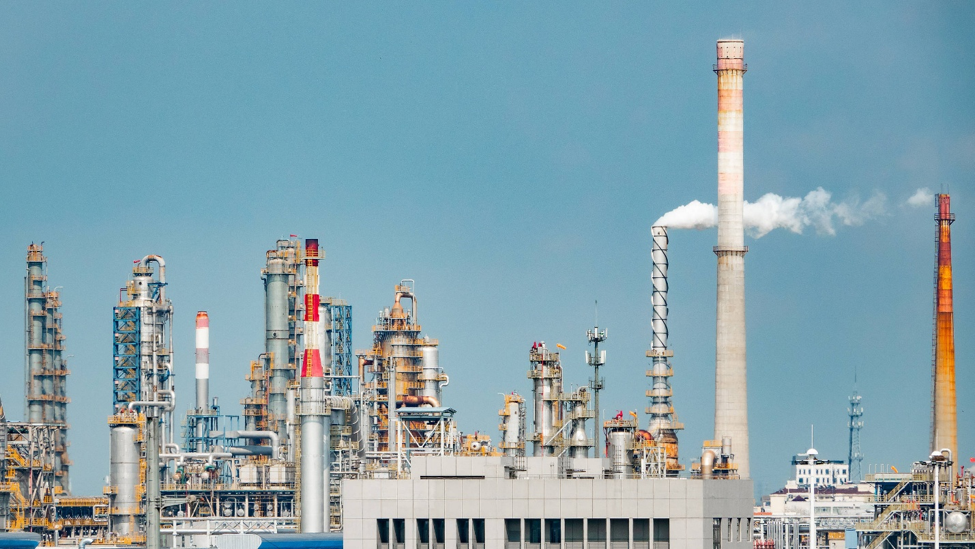
Coal and petrochemical industries are particularly relevant to gasification-based resource recovery because of their access to carbon-containing feedstocks and established large-scale process infrastructure.
Gasification can convert a range of carbon-based materials into syngas for subsequent production of chemicals, fuels, electricity or hydrogen. According to Thyssenkrupp Uhde, gasification can also accommodate low-value or waste feedstocks and mixed feedstocks, providing flexibility in feedstock selection.
Within this context, the treatment and utilization of gasification slag can become one component of a broader industrial optimization strategy.
Rather than considering gasification as a linear sequence of feedstock → syngas → product, a more circular model can consider:
Feedstock → Gasification → Syngas + Solid Residues → Recovery / Treatment → Secondary Applications
Such integration can potentially reduce the volume of material requiring disposal while creating additional pathways for material recovery.
For petrochemical and fine chemical facilities, this perspective may be particularly relevant where multiple material streams coexist and where opportunities exist to connect waste management, process integration and secondary-resource utilization.
煤炭与石化行业提供了关键的应用背景
煤炭和石化行业与基于气化的资源回收尤为相关,因为它们能够获得含碳原料,并拥有成熟的大规模工艺基础设施。
气化可以将多种碳基材料转化为合成气,用于后续生产化学品、燃料、电力或氢气。据蒂森克虏伯伍德介绍,气化还可处理低价值或废弃原料以及混合原料,为原料选择提供了灵活性。
在此背景下,气化炉渣的处理与利用可以成为更广泛的工业优化战略的一个组成部分。
与其将气化视为 “原料 → 合成气 → 产品” 的线性流程,一种更循环的模式可考虑:
原料 → 气化 → 合成气 + 固体残渣 → 回收 / 处理 → 二次应用
这种整合有可能减少需要处置的物料量,同时为物料回收创造更多途径。
对于石化和精细化工企业而言,这一视角可能尤为重要 —— 在这些场景中,多种物料流并存,且存在将废弃物管理、工艺整合与二次资源利用相连接的机会。
Toward Industrial Symbiosis for Gasification Residues
The resource recovery of gasification slag also fits within the wider concept of industrial symbiosis.
In a traditional linear industrial model, solid residues are generated as secondary outputs and subsequently transported for disposal or low-value treatment. In an industrial symbiosis model, the same material can potentially become an input for another process after appropriate treatment and validation.
The AshCycle project applies this broader Industrial–Urban Symbiosis concept by connecting material, energy and water flows and exploring regional systems for secondary-resource utilization.
For gasification industries, a similar approach could connect:
Coal / Petrochemical / Fine Chemical Facilities
⬇️
Gasification Processes
⬇️
Syngas + Gasification Slag + Other By-products
⬇️
Characterization and Resource Recovery
⬇️
Construction Materials / Cement / Mineral Applications / Other Industrial Uses
The appropriate pathway will depend on residue composition, regulatory requirements, logistics and market demand.
迈向气化残渣的工业共生
气化炉渣的资源回收同样契合更广泛的工业共生(industrial symbiosis)理念。
在传统的线性工业模式中,固体残渣作为次级产出产生,随后被运往处置或进行低价值处理。而在工业共生模式中,同一物料在经适当处理和验证后,有可能成为另一个工艺过程的投入。
AshCycle 项目通过连接物料、能源和水流,并探索二次资源利用的区域性体系,应用了这一更广泛的 “工业 — 城市共生”(Industrial–Urban Symbiosis)理念。
对于气化行业,类似的方法可以将以下环节连接起来:
煤炭 / 石化 / 精细化工设施
⬇️
气化工艺
⬇️
合成气 + 气化炉渣 + 其他副产物
⬇️
特性表征与资源回收
⬇️
建筑材料 / 水泥 / 矿物应用 / 其他工业用途
合适的利用路径将取决于残渣组成、法规要求、物流与市场需求。
China–Europe Cooperation Can Support Technology and Application Development
The development of gasification slag resource recovery provides a potential area for China–Europe cooperation in clean technology, circular economy and industrial resource efficiency.
China has extensive industrial experience in coal conversion, petrochemical processing and chemical manufacturing, while European research and industrial projects provide a range of approaches to material recovery, lifecycle assessment, industrial symbiosis and circular-material applications.
Cooperation could therefore focus on practical areas such as:
• characterization and classification of gasification residues;
• technologies for mineral and metal recovery;
• environmental and lifecycle assessment;
• treatment and stabilization technologies;
• development of secondary-material applications;
• digital tools for residue-to-application matching;
• demonstration projects connecting industrial residue producers with downstream users.
Such cooperation would not require a single standardized solution. Instead, it could support the development of application-specific resource recovery pathways adapted to different industrial processes and regional conditions.
中欧合作可支持技术与应用开发
气化炉渣资源回收的发展,为清洁技术、循环经济和工业资源效率领域的中欧合作提供了一个潜在方向。
中国在煤炭转化、石化加工和化学制造方面拥有丰富的工业经验,而欧洲的研究与工业项目则提供了材料回收、生命周期评估、工业共生和循环材料应用等多方面的路径方法。
因此,合作可以聚焦于以下实际领域:
• 气化残渣的特性表征与分类;
• 矿物和金属回收技术;
• 环境与生命周期评估;
• 处理与稳定化技术;
• 二次材料应用的开发;
• 残渣 — 应用匹配的数字化工具;
• 连接工业残渣产生者与下游用户的示范项目。
此类合作并不需要单一的标准化解决方案。相反,它可以支持开发适应不同工业工艺和区域条件的、针对具体应用的资源回收路径。
Outlook
The resource recovery of gasification slag represents a shift in how industrial residues can be understood.
For coal, petrochemical and fine chemical industries, gasification is primarily designed to produce syngas and downstream products. Yet the broader value chain also includes solid residues and other by-products whose properties may support additional applications.
For gasification-intensive industries, this can create a more integrated perspective in which process efficiency, material recovery, environmental performance and downstream utilization are considered as interconnected elements of industrial transformation.
The next stage is therefore not simply to generate less waste, but to better understand the resource value embedded within industrial residues.
展望
气化炉渣的资源回收,代表着人们对工业残渣理解方式的一种转变。
对于煤炭、石化和精细化工行业而言,气化工艺的首要设计目标是生产合成气及下游产品。然而,更广泛的价值链还包含固体残渣和其他副产物,其性质可能支持额外的应用。
对于气化密集型行业而言,这可以形成一种更整合的视角:将工艺效率、材料回收、环境绩效和下游利用视为工业转型中相互关联的要素。
因此,下一阶段不仅仅是产生更少的废弃物,而是要更好地理解工业残渣中所蕴含的资源价值。
#ResourceRecovery #资源回收利用
#Gasification #气化
#CircularEconomy #循环经济
#IndustrialSymbiosis #工业共生
#CleanTechnology #清洁技术
#ChemicalIndustry #化学工业
#ChinaEuropeCooperation #中欧合作
 ZH