
Energy transition, climate resilience, strategic dependencies and the evolving EU–China economic relationship
能源转型、气候韧性、战略对外依赖与持续演变的欧中经贸关系
Introduction
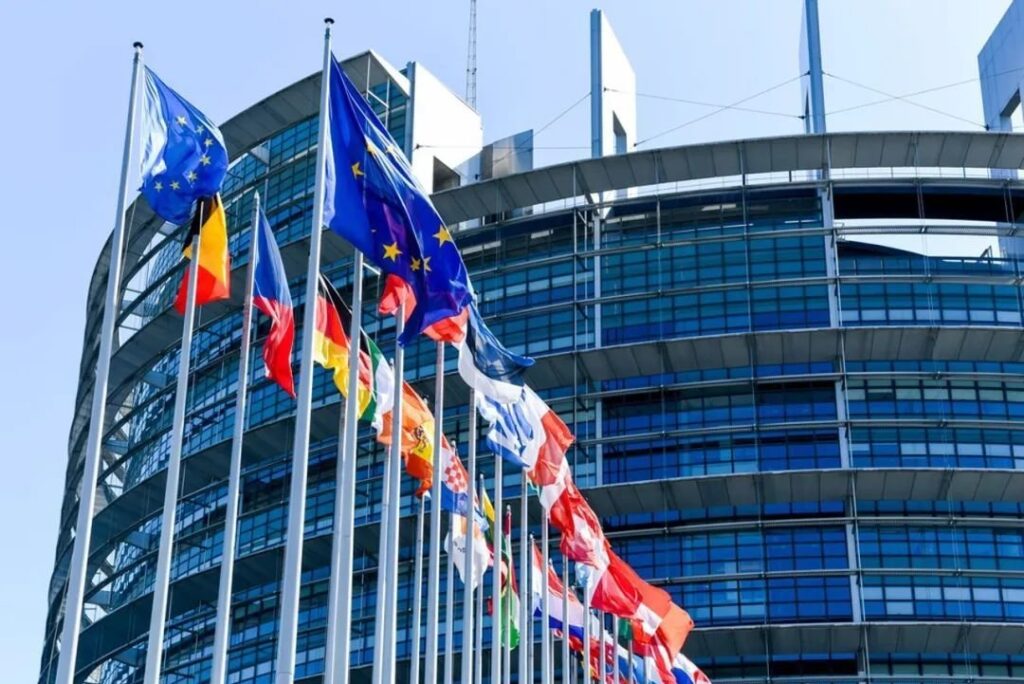
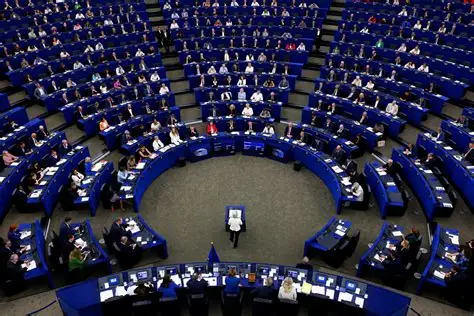
The 2026 State of the Union Address delivered by European Commission President Ursula von der Leyen on 16 September presents a European Union increasingly focused on the intersection of climate policy, energy security, industrial competitiveness and strategic resilience.
While the speech covers a broad range of issues — from European security and defence to artificial intelligence, social policy and international partnerships — several themes are particularly relevant to the future of Europe’s industrial and sustainability agenda.
For businesses and policymakers, one message stands out: Europe’s transition is no longer being framed only as a climate project. It is increasingly presented as a way to strengthen Europe’s economic foundations, reduce strategic dependencies, improve energy affordability and create new markets for European technologies.
This evolution also has important implications for Europe’s relationship with China.
The speech contains strong concerns about trade imbalances and critical-material dependencies, but it does not present disengagement as the objective.
Instead, it calls for a rebalancing of the relationship, while recognising that both sides have an interest in finding practical solutions.
引言
欧盟委员会主席乌尔苏拉・冯德莱恩于 9 月 16 日发表 2026 年欧盟年度国情咨文。咨文表明,欧盟当下愈发聚焦气候政策、能源安全、产业竞争力与战略韧性四大领域的协同发展。
本次演说涵盖诸多议题,从欧洲安全防务、人工智能、社会政策到国际合作伙伴关系均有涉及,但其中数项核心主题,与欧洲产业及可持续发展议程的未来走向高度相关。
对企业经营者与政策制定者而言,咨文传递出一条核心信号:欧洲转型已不再单纯被定义为气候治理工程,其更多被视作夯实欧洲经济根基、降低对外战略依赖、提升能源成本可负担性、为本国技术开拓全新市场的重要路径。
这一政策思路转变,也将深刻影响欧中双边关系。
咨文对贸易失衡、关键原材料对外依赖等问题表达了深切担忧,但并未将与中国 “脱钩” 设定为政策目标。相反,欧盟呼吁重塑双边关系平衡,同时承认,双方均有意愿探寻务实可行的合作方案。
From Climate Policy to Energy and Industrial Competitiveness
One of the clearest messages of the speech concerns energy.
Von der Leyen argues that Europe cannot remain an industrial powerhouse if energy prices remain structurally high. The answer she outlines is not a single technology, but a combination of renewables, nuclear energy, biomethane and other domestic energy sources, together with greater electrification, stronger grids and expanded storage capacity.
The EU Commission’s stated objective is to double the share of electricity in Europe’s energy system by 2040. According to the President, achieving this could reduce Europe’s fossil-fuel import bill by approximately €260 billion per year.
The message is significant because it connects decarbonisation directly with competitiveness and energy security.
The European transition is therefore increasingly about more than reducing emissions.
It is also about producing more energy domestically, reducing exposure to imported fossil fuels, improving infrastructure and creating the conditions for European industry to invest and compete.
This creates opportunities across a wide range of sectors: renewable energy, grids, storage, electrification, industrial energy efficiency, smart energy management, automation and digital technologies.
For European companies operating internationally, this also means that energy transition solutions are likely to become increasingly connected to industrial strategy.
从气候政策迈向能源与产业竞争力建设
本次演说传递出最明确的信号之一围绕能源议题展开。
冯德莱恩提出,若欧洲能源价格长期处于结构性高位,欧洲将难以维持工业强国地位。她给出的解决方案并非单一技术路线,而是一套组合方案:发展可再生能源、核能、生物甲烷及其他本土能源,同步推进电气化普及、升级电网体系、扩充储能规模。
欧盟委员会明确提出目标:到 2040 年,将电力在欧洲能源体系中的占比提升一倍。冯德莱恩称,该目标落地后,欧洲每年可减少约 2600 亿欧元化石燃料进口支出。
这一信号意义重大,它将脱碳转型与产业竞争力、能源安全直接绑定。
由此,欧洲转型的内涵早已不止于减排。
转型同样意味着扩大本土能源产能、降低对进口化石燃料的依赖、完善能源基础设施,为欧洲本土工业创造投资与市场竞争的有利环境。
此举将为全行业带来大量机遇,覆盖可再生能源、电网、储能、电气化改造、工业能效提升、智慧能源管理、自动化及数字技术等领域。
对于开展跨国经营的欧洲企业而言,这也意味着能源转型配套解决方案将愈发深度融入整体产业战略布局。
From Climate Mitigation to Climate Resilience
Another important evolution is the stronger emphasis on adaptation and resilience.
Von der Leyen explicitly states that Europe needs both mitigation and adaptation. The Commission intends to present a new climate-resilience framework and identify 100 of Europe’s most vulnerable territories, while developing a broader approach to climate preparedness.
The speech identifies adaptation technologies as a major emerging market, referring specifically to drought-resistant crops, flood prevention and energy-efficient cooling.
This is an important shift in perspective.
Climate policy is increasingly moving from the question of how to reduce future emissions to the equally important question of how economies, cities and infrastructure can function under changing climatic conditions.
Water is another important component. The Commission plans a new European Water initiative, highlighting the risks of water scarcity for agriculture, energy, industry and supply chains. The speech notes that almost one in four litres of water is lost through leakage in European pipes.
For technology providers and investors, this points towards an expanding market around:
• water efficiency and management;
• climate-resilient infrastructure;
• smart cities and urban cooling;
• industrial water management;
• agricultural technologies;
• flood and drought prevention;
• energy-efficient buildings and systems;
• climate-risk monitoring and management.
This is particularly relevant because climate resilience creates a natural bridge between European technology expertise and China’s own challenges in energy, water, urbanisation and industrial transformation.
从气候减排到气候韧性建设
另一项重要政策转向,是欧盟对气候适应与韧性建设的重视程度大幅提升。
冯德莱恩明确表示,欧洲必须同步推进减排与气候适应两大工作。欧盟委员会计划推出全新气候韧性框架,划定欧洲 100 处气候高脆弱区域,并出台一套覆盖范围更广的气候应急筹备方案。
演说将气候适应类技术视作规模庞大的新兴市场,重点提及抗旱作物、防洪工程、节能制冷技术三大方向。
这标志着政策思路发生关键转变:气候政策的核心议题,已不再仅聚焦如何削减未来碳排放,同时同等重视经济体、城市与基础设施如何在气候持续变化的环境下维持正常运转。
水资源是另一核心板块。欧盟委员会拟推出全新欧洲水资源专项行动,着重警示水资源短缺给农业、能源、工业及全产业链带来的风险。演说中提到,欧洲输水管道因渗漏流失的水量接近总输水量的四分之一。
对于技术服务商与投资方而言,以下赛道市场规模将持续扩容:
• 水资源高效利用与综合管理
• 具备气候韧性的基础设施
• 智慧城市与城市降温系统
• 工业用水管控方案
• 现代农业技术
• 洪涝、干旱灾害防治
• 节能建筑及配套系统
• 气候风险监测与管控体系
这一点对中欧合作具备特殊意义:气候韧性建设恰好搭建起天然合作纽带,既能发挥欧洲成熟技术优势,又能匹配中国在能源、水资源、城镇化、产业转型领域面临的现实挑战。
EU–China Relations: Rebalancing Rather Than Disengagement
Von der Leyen describes the EU’s trade deficit with China as having reached approximately €1 billion per day and argues that the imbalance is affecting European communities and industrial production. She also highlights Europe’s dependence on China for critical raw materials, including rare earths.
These statements reflect the Commission’s growing concern about trade reciprocity, industrial competitiveness and strategic dependencies.
However, the speech also contains an important second message.
Von der Leyen explicitly states that the EU is engaged in dialogue with China to rebalance trade, and argues that China’s weaker domestic demand means that China also needs access to the European market. She therefore concludes that it is in both sides’ interests to work together to find solutions.
This distinction matters.
The direction indicated by the speech is better understood as rebalancing and diversification rather than disengagement.
Europe wants to reduce excessive dependencies, diversify supply chains and strengthen its own industrial capabilities. At the same time, China remains an important economic partner and market, and dialogue remains part of the European approach.
For European and Chinese companies, this suggests that the future relationship may increasingly be based on greater reciprocity, stronger resilience and more balanced forms of interdependence.
欧中关系:寻求关系再平衡,而非对华脱钩
冯德莱恩称,欧盟对华贸易逆差已达到每日约 10 亿欧元,并表示这一贸易失衡正在冲击欧洲民生与工业生产。她同时着重指出,欧洲在稀土等关键原材料领域高度依赖中国。
以上表述体现出欧盟委员会对贸易对等、产业竞争力及战略对外依赖问题的担忧持续加深。
但演说同时释放出另一项关键信号。
冯德莱恩明确表示,欧盟正与中方开展对话,推动双边贸易再平衡;她提出,当前中国国内需求偏弱,因此中方同样需要欧洲市场。据此她得出结论:携手探寻解决方案符合双方共同利益。
这一立场区分至关重要。 本次演说传递的政策导向应当解读为推进双边关系再平衡、供应链多元化,而非与中国脱钩。
欧洲意在降低过度对外依赖、实现供应链多元化、夯实本土产业实力;与此同时,中国仍是欧盟重要的经济伙伴与市场,保持对话始终是欧盟对华策略的组成部分。
对于中欧两国企业而言,这预示未来双边经贸关系将更多建立在更高水平的对等互惠、更强战略韧性、更为均衡的相互依存模式之上。
Critical Raw Materials: A Strategic Dimension of the Green Transition
The relationship between climate policy and China becomes particularly visible in the discussion of critical raw materials.
The speech states that Europe remains more than 80% dependent on China for many critical raw materials, and around 90% for some rare earths. The Commission intends to establish a new European Corporation on Critical Raw Materials to support procurement and strategic stockpiling for electric vehicles, batteries, clean technologies, semiconductors and defence.
This illustrates a fundamental characteristic of the next stage of the energy transition.
Europe cannot simply focus on deploying clean technologies. It must also consider the industrial ecosystems and supply chains required to produce them.
The strategic question is therefore: How can Europe decarbonise while maintaining secure access to the technologies, materials, components and industrial capabilities required for the transition?
This will inevitably influence European industrial policy and the structure of future EU–China economic relations.
关键原材料:绿色转型的战略核心议题
在关键原材料相关论述中,气候政策与对华关系之间的关联体现得尤为突出。
演说提到,欧洲多种关键原材料对华依存度仍超 80%,部分稀土品类的对华依赖比例更是接近 90%。欧盟委员会计划成立全新的欧洲关键原材料集团,为电动汽车、动力电池、清洁技术、半导体及国防产业的原材料采购与战略储备提供支撑。
这一点揭示了下一阶段能源转型的核心特征: 欧洲不能仅专注于推广应用清洁技术,还必须布局支撑相关产品生产的完整产业生态与供应链体系。
由此衍生出核心战略命题:欧洲如何在推进脱碳进程的同时,稳定获取转型所需的技术、原材料、零部件与配套产业产能?
该议题势必深刻影响欧盟产业政策走向,以及未来欧中经贸关系格局。
AI, Digitalisation and the Energy Transition
Artificial intelligence is presented in the speech as the second major “tipping point”, alongside climate change.
Importantly, the Commission’s focus is not limited to frontier AI models. Von der Leyen emphasises the application of AI in factories, agriculture, transport, healthcare, defence and, particularly relevant to the energy transition, energy grids and smart grids.
She also stresses the importance of developing AI that creates value at lower cost and with lower energy consumption.
This creates another important convergence:
Green transition + industrial digitalisation + AI + energy efficiency.
The next generation of industrial competitiveness will increasingly depend on the ability to combine physical infrastructure with digital intelligence.
For European technology companies, this can create opportunities in industrial automation, predictive maintenance, smart energy systems, digital twins, optimisation and AI-enabled resource efficiency.
For China–Europe cooperation, it also points towards areas where technological capabilities and industrial demand can potentially complement each other.
人工智能、数字化与能源转型
本次演说将人工智能列为与气候变化并列的第二大关键性 “变革拐点”。
值得关注的是,欧盟委员会的关注范围并不仅限于前沿大模型。冯德莱恩着重强调人工智能在工厂、农业、交通、医疗、国防领域的落地应用,其中与能源转型高度相关的电网、智能电网是重点落地场景。
她同时提出,要着力打造低成本、低能耗、高价值产出的人工智能技术。
由此催生又一重要融合发展方向:
绿色转型 + 产业数字化 + 人工智能 + 能效提升。
下一阶段产业竞争力,将愈发取决于实体基础设施与数字智能技术的融合应用能力。
对欧洲科技企业而言,这将在工业自动化、预测性运维、智慧能源系统、数字孪生、流程优化、AI 赋能资源高效利用等领域催生大量市场机遇。
对于中欧合作而言,这也指明了双方技术能力与产业需求具备互补潜力的合作赛道。
A More Diversified European Global Economy
The speech also places Europe’s economic future in a broader international context.
Von der Leyen highlights new or expanded trade relationships with India, Mercosur, Mexico, Australia and Indonesia, alongside the EU’s existing network of agreements with more than 80 countries. She also announced a new connectivity initiative linking the South Caucasus and Central Asia with the European market through the Middle Corridor, with Global Gateway aiming to mobilise up to €12 billion in public and private investment.
This indicates that diversification is becoming a central element of European economic strategy.
For European companies, the implication is not necessarily to choose between China and other markets. Rather, businesses may increasingly need to operate through multiple geographic and industrial networks.
This is where Europe–China–third-country cooperation can become increasingly relevant.
Infrastructure, energy transition, industrial development and technology projects in Central Asia, the Middle East, Southeast Asia and other emerging markets could potentially involve European technology and expertise, Chinese industrial capabilities and third-country demand.
走向多元化的欧洲全球经济
演说将欧洲经济发展前景置于更广阔的国际格局中进行阐述。
冯德莱恩重点提及欧盟与印度、南方共同市场、墨西哥、澳大利亚、印尼新增或升级的贸易伙伴关系,欧盟目前已和 80 余个国家搭建自贸协定合作网络。她还推出一项全新互联互通倡议:依托中间走廊打通南高加索、中亚地区与欧洲市场的联通渠道;欧盟 “全球门户” 计划拟撬动最高 120 亿欧元公私领域投资。
这释放明确信号,供应链与市场多元化已成为欧洲经济战略的核心抓手。
对欧洲企业而言,这并非意味着要在中国与其他市场之间二选一,企业未来更需要布局覆盖多区域、多产业的经营网络。
在此背景下,中欧第三方市场合作的价值将愈发凸显。
中亚、中东、东南亚等新兴市场的基建、能源转型、产业发展与科技项目,有望融合欧洲的技术专业优势、中国的产业制造能力以及第三方国家的市场需求,开展三方协同合作。
What Does This Mean for Europe–China Cooperation?
The 2026 State of the Union does not eliminate the matters in the EU–China economic relationship. On the contrary, it makes clear that issues surrounding market access, trade balances, industrial competition and critical dependencies will remain important.
But it also leaves space for a more pragmatic interpretation of the relationship.
Europe’s objective is to strengthen its resilience and competitiveness.
China’s objective remains linked to industrial development, technological upgrading and access to international markets. Where these interests overlap, cooperation remains possible.
Potential areas include:
• renewable energy and energy-efficiency technologies;
• industrial decarbonisation;
• smart grids and energy management;
• water management and climate resilience;
• circular economy and resource recovery;
• industrial digitalisation and automation;
• sustainable infrastructure;
• climate adaptation technologies;
• technology development and innovation;
• and cooperation in third-country markets.
The challenge will be to develop cooperation models that are commercially viable while responding to Europe’s increasing emphasis on resilience, transparency, reciprocity and strategic risk management.
对中欧合作意味着什么?
2026 年欧盟年度国情咨文并未回避中欧经贸关系中存在的分歧。恰恰相反,咨文明确指出,市场准入、贸易平衡、产业竞争、关键物资对外依赖等议题仍将是双边重点关切。
但同时,咨文也为双方以更务实的视角看待双边关系留出了空间。
欧洲的核心目标是强化自身战略韧性与产业竞争力; 中国的发展目标则聚焦产业升级、技术迭代与拓展国际市场。双方利益存在重合之处,合作便具备可行空间。
潜在合作领域包括:
• 可再生能源与能效技术;
• 工业脱碳改造;
• 智能电网与智慧能源管理;
• 水资源治理与气候韧性建设;
• 循环经济与资源回收利用;
• 产业数字化与工业自动化;
• 可持续基础设施建设;
• 气候适应类技术研发;
• 技术研发与创新;
• 第三方市场协同合作。
未来的核心挑战在于打造具备商业可持续性的合作模式,同时兼顾欧洲当下愈发重视的四大准则:战略韧性、经营透明度、贸易对等互惠、战略风险管控。
Outlook: A More Resilient Europe, Not an Isolated Europe
The 2026 State of the Union suggests that Europe is entering a new phase of its transition.
Cimate ambition remains important, but it is increasingly integrated with energy affordability, industrial competitiveness, technological innovation, strategic autonomy and resilience.
For European companies, this creates new markets for clean technologies, digitalisation, energy efficiency and climate adaptation.
For China and Europe, the relationship is likely to become more complex. Greater diversification and efforts to reduce strategic dependencies will coexist with continued economic interdependence and the need for dialogue.
The opportunity may therefore lie not in returning to the assumptions of the past, nor in viewing Europe–China relations exclusively through the lens of competition, but in identifying where European and Chinese capabilities can contribute to shared industrial, environmental and infrastructure objectives.
A key takeaway from the 2026 State of the Union is that Europe’s green transition is becoming an industrial and strategic transformation — and the next phase of Europe–China engagement will depend on how both sides manage this transformation.
展望:打造更具韧性的欧洲,而非封闭孤立的欧洲
2026 年欧盟年度国情咨文传递出信号:欧洲的转型进程迈入全新阶段。
气候行动目标依旧重要,但如今正与能源成本可负担性、产业竞争力、技术创新、战略自主及战略韧性深度融合统筹推进。
对欧洲企业而言,清洁技术、数字化、能效提升、气候适应领域将诞生全新市场机遇。
对中欧双方来说,双边关系或将走向复杂化。欧洲推进市场多元化、降低战略对外依赖的举措,将与双方持续的经济相互依存、保持对话沟通的现实需求长期并存。
因此,未来合作机遇不在于复刻过去的合作模式,也不能单纯以竞争视角定义中欧关系,而在于挖掘双方技术与产业优势能够协同发力、共同实现产业、环境与基建领域共同目标的契合点。
通读这份 2026 年国情咨文可得出核心结论:欧洲绿色转型本质上正在演变为一场产业变革与战略转型;中欧下一阶段的互动往来,将取决于双方如何协同应对这一转型进程。
Source: 2026 State of the Union Address delivered by European Commission President Ursula von der Leyen on 16 September
#EuropeanUnion #欧盟
#StateOfTheUnion #盟情咨文
#EnergyTransition #能源转型
#ClimateResilience #气候韧性
#IndustrialCompetitiveness #产业竞争力
#EUChinaRelations #中欧关系
#GreenTechnology #绿色科技
#EnergySecurity #能源安全
#CriticalRawMaterials #关键原材料
#IndustrialInnovation #产业创新
#Sustainability#可持续发展
#CNEUCN #仲欧脱碳科技
 ZH
ZH