
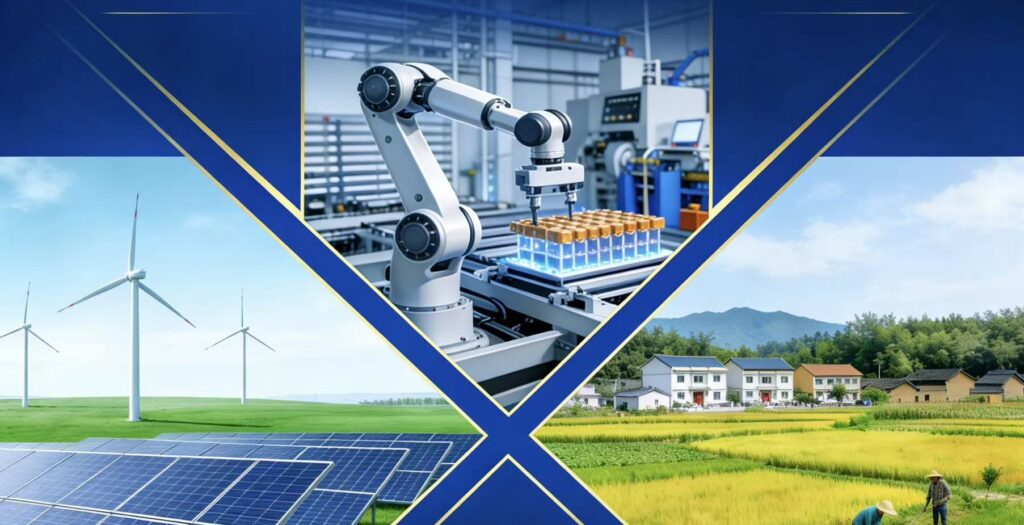
Strategic directions, key policy priorities shaping China’s economic transformation and sustainable development. Implications for international cooperation
塑造中国经济转型与可持续发展的战略方向及关键政策重点,并对国际合作的启示
Introduction
China’s 15th Five-Year Plan (2026–2030) represents a new stage in the country’s long-term development strategy, outlining the policy framework that will guide economic transformation, industrial upgrading and environmental governance over the next five years.
As in previous planning cycles, the plan establishes strategic priorities across multiple sectors while reinforcing China’s broader development objective of achieving high-quality growth, technological advancement and ecological sustainability. The policy framework also reflects the country’s long-term commitment to building a modern industrial system, accelerating innovation and improving the balance between urban and rural development.
For international businesses and institutions engaged with China, understanding the structural direction defined by the new plan is essential. The policy priorities introduced in the document will influence regulatory frameworks, investment opportunities and industrial development across many sectors.
While the plan continues to emphasize openness to foreign investment and international cooperation, it also highlights the importance of strengthening domestic innovation capacity and upgrading key industries. Within this context, the development strategy set out in the plan creates a number of areas where international expertise and cooperation may play an important role.
Among the many policy directions contained in the plan, four areas are particularly relevant for companies, investors and institutions involved in sustainable development and international collaboration:
1. Green transition and decarbonization
2. High-quality urban development and urban renewal
3. Industrial innovation and technological modernization
4. Rural revitalization and agricultural modernization
Together, these priorities illustrate the broader objective of transforming China’s growth model toward a more sustainable, innovation-driven and balanced economic system.
引言
中国“十五五”规划(2026–2030年)标志着国家长期发展战略进入新阶段,系统性勾勒了未来五年推动经济转型、产业升级与环境治理的政策框架。
延续以往五年规划的制度逻辑,本轮规划在多领域设定战略重点,进一步强化中国实现高质量发展、技术进步与生态可持续性的总体目标。同时,规划强调构建现代化产业体系、加快创新驱动发展,并持续优化城乡发展结构。
对于与中国开展合作的国际企业与机构而言,深入理解该规划所确立的结构性方向具有重要意义。相关政策重点将对监管环境、投资机会以及多个产业的发展路径产生深远影响。
在继续强调对外开放与国际合作的同时,规划亦突出了提升自主创新能力和关键产业升级的重要性。在此背景下,中国的发展战略为国际技术合作与产业协同创造了新的空间。
在众多政策方向中,以下四大领域对可持续发展及国际合作尤为关键:
1. 绿色转型与碳减排
2. 高质量城市发展与城市更新
3. 产业创新与技术现代化
4. 乡村振兴与农业现代化
上述重点共同反映出中国正加快向可持续、创新驱动与更加均衡的发展模式转型。
Green Transition and Decarbonization
The advancement of ecological sustainability and carbon reduction remains a central component of China’s development strategy during the 2026–2030 period. The 15th Five-Year Plan reinforces the country’s commitment to promoting a green transformation of the economy while improving energy efficiency and reducing carbon intensity.
One of the key environmental objectives included in the plan is the reduction of carbon dioxide emissions relative to gross domestic product by approximately 17 percent over the five-year period. This target continues the trajectory established in previous planning cycles, reflecting China’s broader objective of decoupling economic growth from carbon emissions.
In addition to this target, the plan emphasizes a number of complementary priorities designed to accelerate the transition toward a more sustainable economic structure. These include the expansion of clean and low-carbon energy systems, the promotion of innovative energy technologies and the strengthening of resource efficiency and circular economy practices.
Particular attention is given to the development of emerging energy carriers and sustainable fuels, including hydrogen energy and sustainable aviation fuels (SAF). These technologies are increasingly recognized as important components of the global energy transition, particularly in sectors where electrification alone may not provide sufficient solutions.
The plan also highlights the importance of improving recycling systems and circular economy mechanisms, aiming to enhance the efficient use of resources and reduce environmental pressures associated with industrial production and consumption.
These policy priorities indicate that China intends to continue expanding its environmental governance framework while integrating sustainability more deeply into industrial development and energy policy.
From an international cooperation perspective, these areas represent important fields for technological exchange and collaboration. European companies and institutions have accumulated extensive experience in renewable energy systems, circular economy models, advanced recycling technologies and sustainability standards. Cooperation in areas such as technological innovation, industrial deployment and certification systems could contribute to accelerating the adoption of sustainable solutions.
绿色转型与碳减排
生态可持续发展与碳减排仍是“十五五”期间的核心政策方向之一。规划明确提出,将持续推进经济绿色转型,提高能源效率并降低碳排放强度。
其中一项关键目标是:在五年期间实现单位国内生产总值二氧化碳排放降低约17%。这一目标延续了既有政策路径,体现出中国推动经济增长与碳排放“脱钩”的长期战略。
与此同时,规划提出多项配套措施,以加快构建可持续经济体系,包括扩大清洁与低碳能源体系、推动能源技术创新、提升资源利用效率、完善循环经济机制。
值得关注的是,规划特别强调发展新型能源载体与可持续燃料,例如氢能及可持续航空燃料(SAF)。这些技术被视为全球能源转型的重要组成部分,尤其是在电气化难以全面覆盖的领域。
此外,规划还提出完善资源回收体系与循环经济机制,以提升资源利用效率并降低工业生产与消费带来的环境压力。
总体来看,这些政策表明中国将进一步强化环境治理体系,并将可持续发展深度融入产业与能源政策
对欧中合作的启示。欧洲在可再生能源、循环经济、先进回收技术及可持续标准方面具有成熟经验。未来在技术创新、产业落地及标准认证等领域,欧中合作具备广阔空间。
High-Quality Urban Development and Urban Renewal
Another important theme highlighted in the 15th Five-Year Plan is the transition toward high-quality urban development. After decades of rapid urban expansion, China’s urbanization strategy is increasingly focused on improving the quality, efficiency and sustainability of existing cities.
The plan therefore places strong emphasis on urban renewal, infrastructure upgrading and improvements in urban living environments. These policies aim to enhance the functionality and sustainability of urban areas while addressing the challenges associated with aging infrastructure, environmental pressures and changing demographic patterns.
Urban renewal initiatives are expected to focus on the regeneration of older residential districts, the modernization of urban infrastructure and the improvement of public services. In parallel, the plan encourages the adoption of green and low-carbon construction practices, energy-efficient buildings and more sustainable urban planning approaches.
Improving the environmental performance of the built environment is an important component of China’s broader climate strategy. Buildings and urban infrastructure represent a significant share of energy consumption, making the modernization of construction practices and urban systems a key factor in achieving long-term sustainability goals.
The plan also supports the development of city clusters and metropolitan regions, which are expected to play an increasingly important role in driving economic development and regional integration. Strengthening connectivity, improving transportation systems and enhancing the coordination between urban areas are all important elements of this strategy.
For international companies and organizations with expertise, technology and materials related to sustainable architecture, urban planning, green construction technologies and smart city systems, these initiatives create potential opportunities for cooperation and technological exchange. The transformation of China’s urban development model is likely to require advanced solutions in building efficiency, infrastructure management and urban sustainability.
高质量城市发展与城市更新
“十五五”规划的另一重要方向是推动城市发展从“规模扩张”向“质量提升”转型。在经历快速城市化阶段后,中国城市政策正转向提升城市运行效率、宜居性与可持续性。
因此,该规划高度重视城市更新、基础设施升级以及城市人居环境的改善。这些政策旨在提升城市的功能性与可持续性,同时应对基础设施老化、环境压力以及人口结构变化所带来的挑战。
城市更新举措预计将重点推进老旧居住区的改造、城市基础设施的现代化以及公共服务的提升。同时,该规划鼓励采用绿色低碳的建设方式、节能型建筑以及更加可持续的城市规划理念。
提升建成环境的环境绩效是中国整体气候战略中的重要组成部分。建筑和城市基础设施在能源消耗中占据较大比重,因此推动建筑方式与城市系统的现代化,是实现长期可持续发展目标的关键因素。
该规划还支持城市群和都市圈的发展,这些区域预计将在推动经济增长和区域一体化方面发挥日益重要的作用。加强互联互通、完善交通体系以及提升城市间协同发展水平,都是这一战略的重要内容。
对于在可持续建筑、城市规划、绿色建造技术以及智慧城市系统等领域具备专业能力、技术和材料优势的国际企业与机构而言,这些举措将带来潜在的合作与技术交流机会。中国城市发展模式的转型,预计将需要在建筑能效、基础设施管理和城市可持续发展等方面引入先进解决方案。
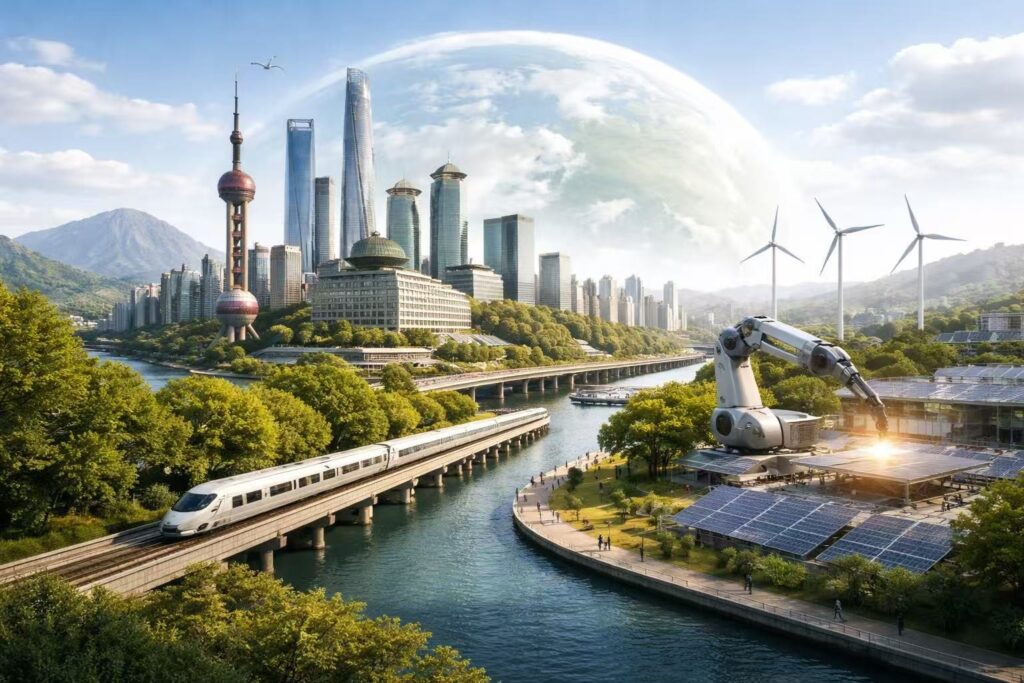
Industrial Innovation and Technological Modernization
Industrial upgrading and technological innovation remain fundamental pillars of China’s development strategy. The 15th Five-Year Plan continues to emphasize the construction of a modern industrial system supported by advanced manufacturing, digital technologies and scientific innovation.
The plan highlights the importance of strengthening the integration between technological research, industrial production and digital transformation. The development of emerging industries, advanced manufacturing capabilities and new technological platforms is expected to play a central role in improving productivity and competitiveness.
Key policy directions include:
• strengthening advanced manufacturing industries
• accelerating digital transformation across industrial sectors
• expanding the application of artificial intelligence and advanced computing technologies
• supporting the development of strategic emerging industries
• reinforcing research and innovation ecosystems
At the same time, the plan reiterates the importance of maintaining an open environment for international economic engagement. China intends to continue encouraging foreign investment and international business participation, particularly in areas that support industrial modernization and technological development.
The policy framework includes commitments to:
• strengthen efforts to attract and utilize foreign investment
• ensure national treatment for foreign-invested enterprises within the framework of the Foreign Investment Law
• continue the progressive opening of service sectors, including telecommunications, internet services, education, culture and healthcare
• further refine the negative list system for foreign investment
• promote reinvestment by foreign-invested enterprises operating in China
The plan also calls for reviewing and rectifying regulatory documents that are not consistent with the Foreign Investment Law, improving the conditions for foreign capital to participate in equity investment and venture capital activities, and refining the governance of foreign-investment mergers and acquisitions.
Overall, these measures indicate a continued commitment to integrating international investment into China’s economic development while maintaining a strategic approach in sectors considered particularly important for national development.
For international businesses, particularly those from Europe with strengths in advanced manufacturing technologies, digital industrial solutions and energy-efficient production systems, the ongoing modernization of China’s industrial base provides a wide range of potential areas for collaboration.
产业创新与技术现代化
产业升级与技术创新继续构成中国发展战略的核心支柱。“十五五”规划进一步强调构建以先进制造、数字技术与科技创新为支撑的现代产业体系。
该计划强调了加强技术研发、产业生产与数字化转型之间融合的重要性。新兴产业、先进制造能力以及新型技术平台的发展,预计将在提升生产力和竞争力方面发挥核心作用。
重点政策方向包括:
• 强化先进制造业发展
• 推动产业数字化转型
• 扩大人工智能及先进计算应用
• 培育战略性新兴产业
• 完善科技创新生态体系
同时,该计划重申了保持开放的国际经济合作环境的重要性。中国将继续鼓励外商投资和国际企业参与,尤其是在支持产业现代化与技术发展的领域。
相关政策措施包括:
• 加大吸引外资力度
• 落实外资企业国民待遇(依据《外商投资法》)
• 推进服务业有序开放(电信、互联网、教育、文化、医疗等领域)
• 优化外资准入负面清单
• 鼓励外资企业再投资
该计划还要求梳理并修订与《外商投资法》不一致的规范性文件,改善外资参与股权投资和创业投资活动的条件,并完善外商投资并购的治理。
总体而言,这些举措表明中国将继续致力于将国际投资融入经济发展进程,同时在对国家发展具有特别重要意义的领域保持战略考量。
对于国际企业,尤其是在先进制造技术、数字工业解决方案和节能生产体系方面具有优势的欧洲企业,中国产业基础的持续现代化为其提供了广泛的潜在合作领域。
Rural Revitalization and Agricultural Modernization
The revitalization of rural areas and the modernization of agriculture continue to represent a major priority in China’s development strategy. The 15th Five-Year Plan reinforces the implementation of the national rural revitalization strategy, aiming to reduce regional disparities and improve living standards across rural communities.
Policies in this area focus on strengthening the economic vitality of rural regions while promoting sustainable agricultural development and improving rural infrastructure and public services.
Key priorities include:
• advancing agricultural modernization
• improving agricultural productivity and efficiency
• supporting the development of rural industries
• enhancing infrastructure and public services in rural areas
• promoting integrated urban-rural development
Agricultural modernization is expected to involve the adoption of new technologies, improved farming systems and more efficient resource management practices. Environmental protection also plays an increasingly important role in rural policy, with greater attention given to ecological conservation and sustainable land use.
The development of rural industries is another important element of the strategy, aiming to diversify rural economies and create new employment opportunities. This includes the expansion of agricultural processing, rural tourism and other value-added activities linked to agricultural production.
These initiatives are designed not only to improve agricultural productivity but also to promote balanced national development by narrowing the economic gap between urban and rural areas.
For international partners, including European companies with expertise in agricultural technologies, sustainable farming practices and rural infrastructure development, these policies may create additional opportunities for cooperation and knowledge exchange.
乡村振兴与农业现代化
乡村振兴与农业现代化依然是中国发展战略中的重大优先事项。“十五五” 规划强化了国家乡村振兴战略的实施,旨在缩小区域发展差距,提升农村居民的生活水平。
该领域的政策重点在于增强农村经济活力,同时推动农业可持续发展,完善农村基础设施与公共服务。
主要政策重点包括:
• 推进农业现代化
• 提升农业生产效率
• 发展乡村产业
• 完善农村基础设施与公共服务
• 推动城乡融合发展
农业现代化预计将涉及新技术的应用、耕作体系的完善以及更高效的资源管理模式。环境保护在农村政策中也发挥着日益重要的作用,生态保护和土地可持续利用得到了更多重视。
乡村产业发展是该战略的另一重要内容,旨在实现农村经济多元化并创造新的就业机会。这包括扩大农产品加工、乡村旅游以及其他与农业生产相关的增值活动。
这些举措不仅旨在提高农业生产力,还通过缩小城乡经济差距来促进国家均衡发展。
对于国际合作伙伴,包括在农业技术、可持续耕作模式和农村基础设施建设方面拥有专业经验的欧洲企业而言,这些政策可能会为合作与知识交流创造更多机遇。
Conclusion
China’s 15th Five-Year Plan provides a strategic framework for the country’s economic and social development during the period 2026–2030. The plan continues to emphasize the transition toward high-quality development, supported by technological innovation, environmental sustainability and balanced regional growth.
Four policy areas highlighted in the plan are particularly relevant for businesses and institutions engaged in international cooperation:
• the advancement of green transition and decarbonization
• the promotion of high-quality urban development and urban renewal
• the strengthening of industrial innovation and technological modernization
• the continued implementation of rural revitalization and agricultural modernization
Together, these priorities reflect China’s intention to build a modern, resilient and sustainable economic system capable of supporting long-term development while addressing environmental and social challenges.
For international partners, particularly in Europe, these policy directions highlight multiple areas where technological expertise, industrial cooperation and sustainability solutions can contribute to mutually beneficial collaboration.
Within this evolving policy environment, organizations capable of bridging international expertise with China’s development priorities will play a critical role in facilitating effective cooperation. Through its integrated platform combining sustainability advisory, industrial collaboration and policy engagement, CNEUCN – China Europe Carbon Neutral Technology continues to support European and Chinese partners in identifying cooperation opportunities aligned with the country’s long-term development strategy.
By connecting technology, investment and policy dialogue, such collaborative frameworks can contribute to advancing sustainable development while strengthening constructive economic engagement between China and Europe.
结论
中国 “十五五” 规划为该国 2026—2030 年期间的经济社会发展提供了战略框架。该规划继续强调向高质量发展转型,并以技术创新、环境可持续性和区域均衡增长为支撑。
规划中重点强调的四大政策领域,对于参与国际合作的企业和机构尤为重要:
• 绿色转型与碳减排
• 高质量城市发展与城市更新
• 产业创新与技术现代化
• 乡村振兴与农业现代化
这些重点举措共同体现了中国致力于构建现代化、有韧性且可持续的经济体系,以支撑长期发展,同时应对环境与社会领域的挑战。
对于国际合作伙伴,尤其是欧洲方面,这些政策方向凸显了多个合作领域,在这些领域中,技术专长、产业合作及可持续发展解决方案能够促成互利共赢的合作。
在这一不断发展的政策环境下,能够将国际专业知识与中国发展重点相结合的机构,将在推动高效合作方面发挥关键作用。中欧碳中和科技(CNEUCN)凭借其集可持续发展咨询、产业合作与政策对接于一体的综合平台,持续助力中欧合作伙伴发掘契合国家长期发展战略的合作机遇。
通过搭建技术、投资与政策对话的桥梁,此类合作框架既能推动可持续发展,也能深化中欧之间建设性的经济合作。
 ZH
ZH