
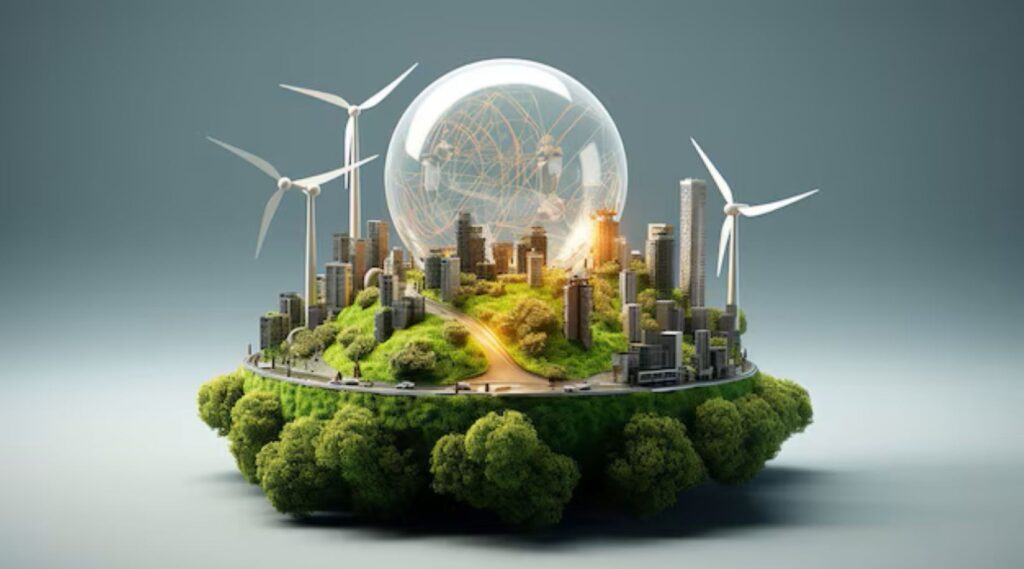
Accelerating System Construction, Enhancing Security Capacity, and Advancing Green Transformation
构建安全、高效、绿色的未来能源格局
Introduction:
China is entering a decisive phase in the transition toward a new energy development paradigm—a model centered on high-quality growth, energy security, technological innovation, and deep decarbonization.
As the country moves toward the 15th Five-Year Plan, the strategic priority is clear: accelerate the construction of a modern energy system that is clean, low-carbon, safe, and highly efficient.
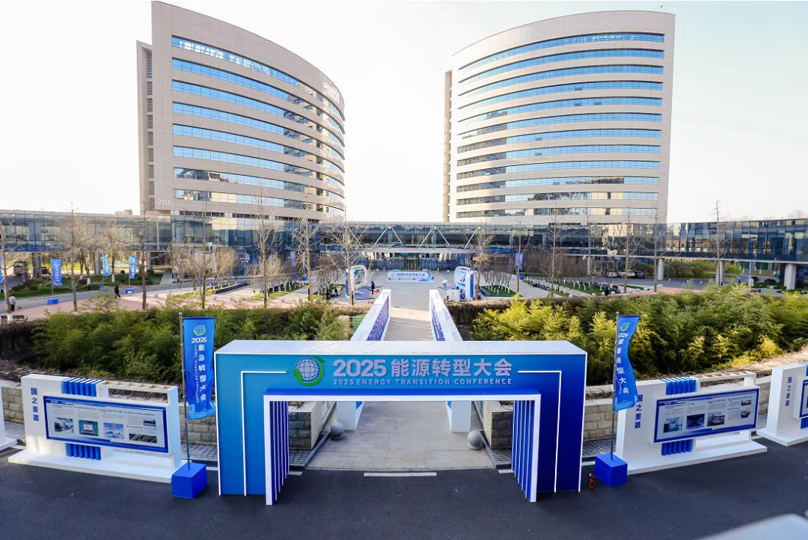
The 2025 Energy Transition Conference, held in Beijing on 22nd November and supported by China’s top national and municipal authorities, brought together national policymakers, senior executives of energy central SOEs, leading research institutions, and industry innovators. Their contributions collectively outline what China’s new energy paradigm must look like—an upgraded energy structure powered by renewable expansion, systemic integration of advanced technology, enhanced energy security, and stronger collaboration between government, industry, academia, and research.
This week’s CNEUCN Newsletter distils the key messages from the conference and examines how China is shaping the next stage of its energy transformation, and where strategic opportunities for cooperation—including with European actors—fit into this landscape.
引言
随着中国迈入“十五五”的关键规划期,国家能源结构正在从高速增长阶段,全面转向高质量、数字化、低碳化、体系化的新发展范式。新的能源体系正在以更强的安全性、更高的效率、更深的绿色化程度为核心加速成型。
在 11 月 22 日于北京召开的 2025 能源转型大会 上,来自国家部委、央企高层、研究机构、前沿技术企业齐聚一堂,共同勾勒了中国下一阶段能源体系建设的核心方向-可再生能源提速扩容、技术体系深度融合、能源安全链条强化、跨界协同创新全面展开。
本期 CNEUCN Newsletter 对大会核心信号进行系统梳理,并分析中国能源体系升级的关键趋势,以及中欧合作的新机遇。
Accelerating the Construction of a New Energy System
A core message reiterated by national leaders is the development of a world-class new energy system integrating wind, solar, hydropower, nuclear, biomass, geothermal, hydrogen, energy storage, smart grids, and digital solutions.
According to SASAC Director Zhang Yuzhu, central SOEs have already led major progress in restructuring China’s energy supply, increasing the share of clean energy, and optimizing energy consumption models. Going forward, accelerating the development of large-scale renewable energy bases, strengthening ultra-high-voltage (UHV) transmission networks, and upgrading the national grid’s capacity to absorb massive volumes of intermittent energy will be essential.
The State Grid announced that by 2030 it expects to support:
- 800 million kW of distributed new energy
- 60 million charging stations (4× the scale of the 14th FYP)
- More than 240 billion RMB of R&D investment in next-gen energy technologies
These commitments demonstrate that China is not only scaling supply but upgrading the entire infrastructure necessary to support a fully digital, renewable-driven energy ecosystem.
加快构建“新型能源体系”
国家层面再次明确提出:构建世界领先、体系完备的新型能源系统,必须实现多能协同、数字赋能与绿色低碳深度融合。其中包括:风电、光伏、水电、核电、生物质、地热、氢能、新型储能、智能电网、数字调度等多维度能力建设。
国资委党委书记张玉卓表示,中央企业已在能源结构优化、清洁能源占比提升、能源消费模式调整方面取得显著成效。下一阶段的重点包括:大型风光基地加速落地,特高压输电体系持续扩展以及构建具备高比例消纳能力的现代电网。
国家电网同时发布了 2030 年前的关键目标:
- 分布式新能源装机达 8 亿千瓦
- 充电设施规模达 6000 万台(为“十四五”时期的 4 倍)
- 2400 亿以上研发投入布局下一代能源技术
这些信号表明:中国不只是扩大供给规模,而是在构建 以新能源为主体的数字化能源基础设施体系。
Strengthening Synergy: Policy, Industry, Academia, and Research Integration
China’s approach emphasizes coordination across multiple institutions. Leaders highlighted the need for a national “innovation alliance” combining political guidance, industrial implementation, academic research, and technological application.
Key examples include:
- Hydrogen, Fusion, Advanced Storage, and Next-Gen PV
Mayor Yin Yong stressed that Beijing will deepen breakthroughs in solid-state batteries, fusion energy, advanced PV materials, and disruptive low-carbon technologies.
- Central SOEs Deepening Collaboration Across the Chain
Huadian, Three Gorges, State Power Investment Corporation (SPIC), and State Energy Investment Group all emphasized:
– Joint R&D programs with universities
– Co-construction of innovation platforms
– Fusion of AI and energy systems
– Demonstration projects in zero-carbon parks, green factories, and ultra-low-energy buildings
- Scientific Research Driving High-Quality Development
Academicians Jin Yong and Jin Zhijun highlighted new frontiers including circular economy for PV recycling, natural hydrogen exploration, and industrial-scale green fuel innovation, showing China’s determination to push scientific boundaries.
This multi-institutional synergy is critical to building a new-quality productive force in the energy sector.
政策—产业—学界—科研全链条协同
能源体系变革的本质是系统工程。
大会多位领导强调,要构建国家级的“能源创新共同体”,实现政策牵引、产业实践、科研突破的有机统一。
关键方向包括:
- 氢能、核聚变、先进储能、新型光伏材料
北京市市长殷勇指出,北京将重点突破:固态电池、新一代光伏材料、高功率储能、聚变能等颠覆性技术。 - 央企深度协作与示范布局
华电集团、三峡集团、国家电投、国家能源集团等多家央企表示:
– 加强与高校联合攻关
– 共建创新平台
– 以 AI 赋能能源系统
– 落地零碳园区、绿色工厂、超低能耗建筑示范工程 - 科研推进能源高质量发展
金涌、金之钧等院士强调:光伏循环利用体系、自然氢资源勘探、工业级绿色燃料创新多方协同正在形成能源领域的新型“产学研用”体系。
这种多机构协同合作机制是能源领域培育和构建新质生产力的关键支撑。
Enhancing Energy Security Capacity Across the Industrial Chain
Energy security remains a strategic cornerstone, especially in a period of global uncertainty and geopolitical shifts. Chinese leaders described a strategy that balances rapid green expansion with stable supply fundamentals.
Key measures include:
- Ensuring clean and efficient use of coal during the transition period
- Improving the resilience and flexibility of the national power system Strengthening domestic manufacturing of critical equipment (wind turbines, PV, grid components)
- Reducing dependence on imported fuels and critical minerals
- Enhancing the autonomy of key technologies through high-intensity R&D
- Supporting enterprises along the entire energy chain—generation, storage, transport, distribution, and digital management
China is not only decarbonizing—but also re-engineering its entire industrial base to ensure long-term energy resilience.
强化能源安全能力:构建可持续韧性体系
在全球不确定性上升的背景下,能源安全仍然是中国整体战略的基石。
会议明确提出:在推动绿色转型的同时,要守住供应安全底线:
- 推动煤炭清洁高效利用
- 提升电力系统柔性与调节能力
- 强化关键装备国内制造能力(风机、光伏、储能、智能电网核心部件)
- 降低关键矿产与燃料对外依赖
- 加大原创性能源技术研发投入
- 支持能源全产业链“发—储—输—配—用—管”协同升级
中国推动的是 去碳化 + 保安全 的“双轨并进”模式。
Advancing Green and Low-Carbon Transformation
China has already built the world’s largest renewable energy system, accounting for 60% of global new installed renewable capacity in recent years. But the next phase goes beyond scaling.
The focus now is on:
- Increasing the share of non-fossil energy consumption beyond 20% (expected by end-2025)
- Large wind–solar–storage bases integrated with UHV transmission
- Green electrification of transport and buildings
- Zero-carbon industrial parks and green data centres
- Digital management of carbon emissions and energy efficiency
- Full-chain circular economy models (e.g., PV module recycling, battery recycling, green materials)
中国已建成全球最大规模的可再生能源体系,占全球新增可再生装机的60%。
下一阶段,转型将从“规模扩张”迈向 更高维度的系统化升级:
- 非化石能源消费占比在 2025 年前后超过 20%
- 大型“风—光—储”一体化基地
- 交通与建筑领域全面电气化
- 零碳园区、绿色数据中心加速落地
- 碳排放数字化管理体系完善
- 推动光伏、储能、电池等全链条循环经济
三峡、华电、国家电投、大唐、中核等央企均宣布了在储能、核电、新型电力系统、AI 电网等方向的加速布局。
核心方向已经非常清晰:
绿色、智能、一体化、科技驱动。
Accelerating the Construction of New Energy Development Paradigms
China’s emerging paradigm consists of five structural pillars:
1. Green Power Leadership
Rapid expansion of solar, wind, hydro, and nuclear power as the base of the future energy mix.
2. Flexible Storage and Peak Regulation
Massive rollout of new energy storage systems, pumped hydro, hydrogen-based flexibility, and smart load management.
3. Digital and Intelligent Energy Infrastructure
Integration of AI, big data, sensors, digital twins, and automated dispatch systems.
4. Cross-Sector Electrification
Transportation, buildings, industry, and logistics being upgraded to all-electric and green electricity consumption.
5. Circular, Low-Carbon Industrial Chains
Building resilient supply chains for critical minerals, equipment manufacturing, and component recycling.
This is the model that will underpin China’s 15th Five-Year Plan and shape its long-term low-carbon future.
中国“新型能源体系”的五大结构支柱
中国正在形成具有全球竞争力的能源发展范式,其核心由五大支柱构成:
1. 清洁能源占主导
持续扩大风光水核可再生能源比重。
2. 灵活调节能力显著增强
新型储能、抽蓄、电氢调节、智能负荷管理全面提升。
3. 数字化、智能化基础设施
AI、大数据、传感器、数字孪生、自动化调度全面融入能源体系。
4. 跨行业电气化
交通、建筑、工业、物流加速向“全电化”升级。
5. 低碳循环产业链
矿产、装备、材料、回收体系实现全链条绿色化。
这些支撑体系将成为“十五五”能源规划的核心框架。
China–EU Cooperation Opportunities
It is important to highlight that China–EU cooperation remains strategically meaningful within this new paradigm.
European enterprises possess:
- Advanced technologies in grid management, hydrogen, offshore wind, and green buildings
- High-standard industrial systems in energy efficiency and carbon management
- Mature regulatory and standardization frameworks (e.g., energy performance, smart grid norms)
- Strong capabilities in industrial digitalization and circular-economy models
China, on the other hand, offers:
- The world’s largest renewable energy market
- High growth in energy storage, hydrogen, EVs, and smart infrastructure
- Competitive manufacturing
- Extensive policy support and large-scale demonstration scenarios
Strategic cooperation can focus on:
- Joint innovation platforms in hydrogen, storage, fusion, and next-gen PV
- Green building technologies and energy-efficient renovation aligned with Chinese standards
- Forward-looking industrial chain partnerships in equipment and smart manufacturing
- Low-carbon industrial parks and sustainable city pilots
- Collaboration based on shared objectives in global energy governance
This cooperation is practical, complementary, and aligned with long-term decarbonization goals on both sides.
中欧合作的重要性持续上升
在中国能源体系升级的背景下,中欧合作仍具有显著战略价值。
欧洲的优势包括:
- 电网管理、氢能、海上风电、绿色建筑等先进技术
- 完备的能效与碳管理体系
- 成熟的标准体系(如智能电网、建筑能效)
- 领先的数字化工业能力
中国的优势包括:
- 全球最大可再生能源市场
- 大规模储能、氢能、智能基础设施的快速发展
- 强大的制造体系
- 高水平政策支持
- 超大规模示范场景
双方合作的重点方向可包括:
- 氢能、储能、核聚变、新型光伏的联合创新平台
- 绿色建筑与既有建筑节能改造技术(中欧标准互认)
- 装备制造与智能制造产业链协同
- 零碳园区与可持续城市示范
- 共同参与全球能源治理
中欧合作具备互补性强、落地性高、长期战略契合度高的特点。
Conclusion
As China accelerates the construction of its next-generation energy system, opportunities for strategic collaboration—domestic and international—will continue to expand.
CNEUCN will remain a bridge, a facilitator, and a trusted partner for organisations seeking to align with China’s green transformation and contribute to global carbon-neutrality efforts.
结语
随着新型能源体系建设全面提速,国内外合作的战略空间不断扩大。
仲欧脱碳(CNEUCN)将继续作为:跨境桥梁、解决方案赋能者、可信赖合作伙伴支持企业、机构与政府在中国能源体系升级中找到合作机会,共同为全球碳中和进程做出贡献。
 ZH
ZH