
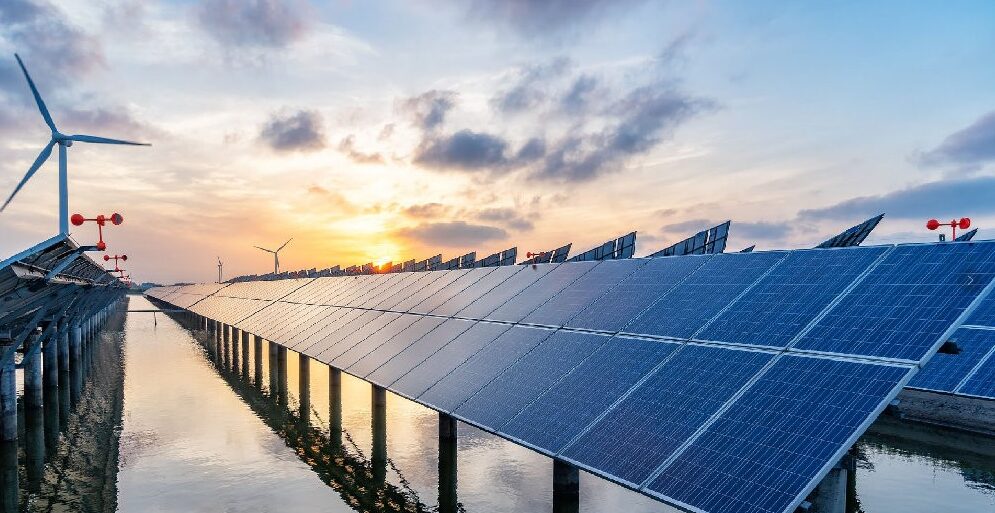
Fossil fuel volatility is redefining industrial strategy, accelerating the shift toward resilient and cost-stable energy systems
化石能源价格波动正重塑产业战略,加速向具备韧性、成本稳定的能源体系转型
Introduction
Global energy systems are undergoing a profound redefinition—not driven primarily by environmental narratives, but by economic necessity. What has long been considered a stable foundation of industrial development—fossil fuel-based energy—is increasingly revealing structural vulnerabilities that directly affect cost stability, industrial planning, and national competitiveness.
In recent years, energy price volatility has moved from being a cyclical concern to a systemic constraint. Sudden price spikes, supply disruptions, and geopolitical dependencies have exposed the fragility of traditional energy models. For businesses and governments alike, energy is no longer a background variable. It has become a central determinant of economic resilience.
This shift is fundamentally altering how energy is positioned within strategic decision-making. Clean energy, once framed primarily as a sustainability objective, is now being reassessed through a different lens: as a tool for cost control, risk mitigation, and long-term industrial stability.
The transition underway is not incremental. It reflects a structural recalibration of the relationship between energy, economics, and competitiveness—and it is accelerating across all major economies.
引言
全球能源体系正经历深刻重构 —— 其核心驱动力并非环保叙事,而是经济现实的必然要求。长期以来被视作工业发展稳定基石的化石能源,正日益暴露出结构性缺陷,直接影响成本稳定性、产业规划与国家竞争力。
近年来,能源价格波动已从周期性问题演变为系统性制约。价格骤涨、供应中断以及地缘政治依赖,充分暴露了传统能源模式的脆弱性。对企业与各国政府而言,能源不再是幕后变量,而是决定经济韧性的核心因素。
这一转变从根本上改变了能源在战略决策中的定位。清洁能源曾主要被视为可持续发展目标,如今正从全新视角被重新审视:它是成本管控、风险对冲与实现产业长期稳定的重要工具。
当前的能源转型并非渐进式改良,而是能源、经济与竞争力三者关系的结构性重构,且这一进程正在各主要经济体加速推进。
From Energy Supply to Economic Risk: The Structural Impact of Fossil Fuels
The traditional energy paradigm was built on the assumption of reliability and scalability. Fossil fuels provided dense, transportable, and historically affordable energy, enabling decades of industrial expansion. However, this model has increasingly demonstrated its exposure to external shocks.
Fossil fuel markets are inherently volatile. Prices are influenced by a combination of geopolitical tensions, supply concentration, infrastructure constraints, and financial speculation. These dynamics create ripple effects that extend far beyond the energy sector.
At the household level, energy price increases translate immediately into higher living costs, reducing disposable income and affecting consumption patterns. At the industrial level, the impact is even more pronounced. Energy-intensive sectors—such as steel, chemicals, cement, and manufacturing—face fluctuating input costs that complicate production planning and erode margins.
For governments, the challenge becomes macroeconomic. Energy price shocks contribute to inflationary pressure, disrupt fiscal planning, and often require intervention through subsidies or support mechanisms. This creates additional strain on public finances, particularly in economies with high import dependency.
Europe provides a clear illustration of this structural exposure. Heavy reliance on imported fossil fuels has translated into heightened vulnerability to external disruptions. The recent energy crises have demonstrated how quickly supply constraints can escalate into broader economic instability, affecting industrial output, competitiveness, and social stability.
In this context, energy is no longer simply a commodity—it is a strategic risk factor. Its volatility introduces uncertainty into every layer of the economy, from micro-level business decisions to macro-level policy frameworks.
从能源供应到经济风险:化石能源的结构性影响
传统能源范式建立在供应可靠、可规模化的假设之上。化石能源具备能量密度高、便于运输且历史价格低廉等优势,支撑了数十年的工业扩张。然而,这一模式面对外部冲击时的脆弱性正日益凸显。
化石能源市场天生具有波动性。地缘政治紧张、供应集中度高、基础设施瓶颈以及金融投机等多重因素共同影响价格,其波动产生的连锁反应早已远超能源行业本身。
在居民层面,能源价格上涨会直接推高生活成本,挤压可支配收入,进而改变消费结构。在工业层面,影响更为显著:钢铁、化工、水泥、制造等高耗能行业面临着剧烈波动的投入成本,导致生产规划难以推进,企业利润空间被不断压缩。
对各国政府而言,这一挑战上升至宏观经济层面。能源价格冲击加剧通胀压力、扰乱财政规划,往往需要通过补贴或扶持政策进行干预,进而给公共财政带来额外压力,在高度依赖能源进口的经济体中尤为突出。
欧洲便是这一结构性短板的典型例证。对进口化石能源的高度依赖,使其在外部供应扰动面前格外脆弱。近年的能源危机充分表明,供应受限会迅速演变为大范围的经济不稳,冲击工业产出、国家竞争力乃至社会稳定。
在此背景下,能源已不再只是一种普通商品,而是战略性风险因素。其波动性给经济各层面都带来不确定性,从微观企业经营决策,到宏观政策框架制定,无一例外。
Clean Energy as a Cost-Stabilisation Mechanism
Against this backdrop, clean energy is emerging as a fundamentally different economic model. Renewable energy sources such as solar and wind operate without fuel inputs, which eliminates one of the primary sources of price volatility.
Once infrastructure is installed, the cost structure of renewables becomes largely predictable. Capital expenditure is front-loaded, but operational costs remain stable over time. This creates a level of cost visibility that is increasingly valuable in uncertain economic environments.
From a strategic perspective, this stability translates into several advantages.
• First, clean energy reduces exposure to external supply shocks. By relying on domestically available resources—sun, wind, and other renewables—countries can decrease their dependence on imported fuels and enhance energy sovereignty.
• Second, electrification enables greater control over energy systems. As industries shift toward electricity-based processes, they can integrate more directly with renewable generation, improving efficiency and reducing reliance on volatile fuel markets.
• Third, long-term cost predictability supports investment decisions. For industrial actors, the ability to forecast energy costs over a 10–20 year horizon is a critical factor in capital allocation, plant location, and supply chain configuration.
These dynamics are reflected in global investment patterns. Clean energy investment has surpassed fossil fuel investment, indicating a shift not only in environmental priorities but in underlying financial logic. Investors are increasingly aligning with assets that offer stable returns and reduced exposure to geopolitical risk.
At the same time, technological advancements continue to improve the cost competitiveness of renewables. In many regions, solar and wind are now the most economically viable options for new power generation, even without subsidies.
However, this transition is not uniform. Developing economies—despite being highly exposed to fossil fuel volatility—often face barriers in accessing financing, technology, and infrastructure. This creates an asymmetry that could slow global progress unless addressed through coordinated international mechanisms.
清洁能源:成本稳定器
在这一背景下,清洁能源正成为一种截然不同的经济模式。太阳能、风能等可再生能源无需燃料投入,从源头上消除了价格波动的主要诱因。
可再生能源设施一旦建成投运,其成本结构便基本可预测。尽管前期资本投入较高,但长期运营成本保持稳定。在充满不确定性的经济环境中,这种清晰的成本前景正变得愈发珍贵。
从战略角度看,这种稳定性带来多重优势:
• 第一,清洁能源降低了外部供应冲击风险。各国可依托本土丰富的太阳能、风能等资源,减少对进口燃料的依赖,提升能源自主水平。
• 第二,电气化提升了对能源体系的掌控力。随着工业生产转向以电力为基础,可更直接地对接可再生能源发电,提升能效,并减少对价格波动剧烈的燃料市场的依赖。
• 第三,长期成本可预测性有利于投资决策。对工业企业而言,能够对未来 10–20 年的能源成本做出预判,是其进行资本配置、工厂选址和供应链布局的关键依据。
这些趋势已体现在全球投资格局中。清洁能源投资规模已超越化石能源,这不仅标志着环保理念的转变,更反映出底层投资逻辑的切换。投资者正越来越青睐回报稳定、地缘政治风险更低的资产。
与此同时,技术进步持续提升可再生能源的成本竞争力。在全球许多地区,即便没有补贴,光伏与风电也已成为新建发电项目中最具经济可行性的选择。
不过,全球能源转型进程并不均衡。发展中经济体虽受化石能源波动冲击尤为严重,却往往在融资、技术和基础设施建设方面面临诸多障碍。这种发展失衡可能拖累全球转型步伐,唯有通过国际协同机制加以应对,才能有效解决。
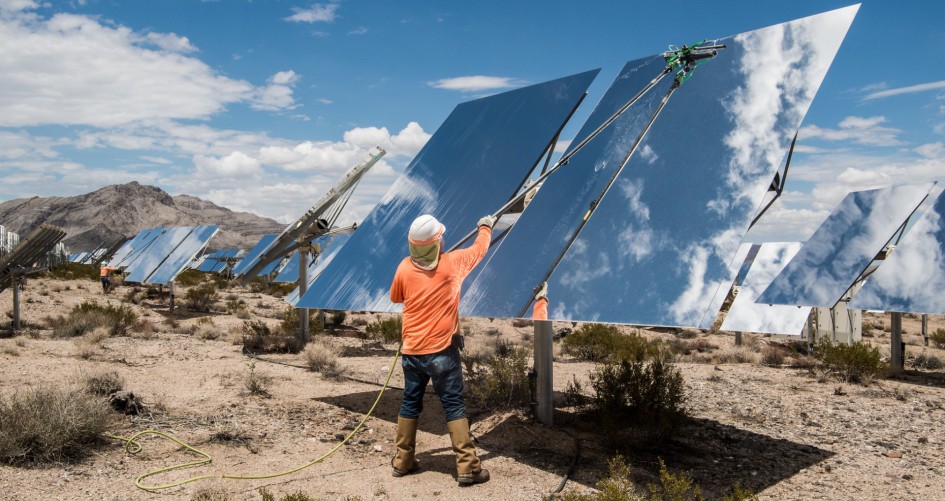
Industrial Transformation: Energy as a Strategic Input
As energy dynamics evolve, industries are redefining their approach to energy management. The traditional view of energy as a passive operational cost is being replaced by a more strategic perspective.
Energy is becoming a core variable in competitiveness, influencing not only cost structures but also regulatory compliance, supply chain positioning, and market access.
Companies across sectors are responding through multiple pathways.
One of the most visible shifts is the integration of renewable energy procurement into core business strategies. Long-term power purchase agreements (PPAs), on-site generation, and direct investment in renewable assets are becoming standard practices among large industrial players.
Electrification of production processes is another key trend. By transitioning from fossil fuel-based systems to electric alternatives, companies can reduce exposure to fuel price volatility while aligning with decarbonisation requirements.
Digitalisation is also playing a critical role. Advanced energy management systems, supported by data analytics and artificial intelligence, enable real-time optimisation of energy consumption, improving efficiency and reducing costs.
At the supply chain level, companies are increasingly factoring energy availability and carbon intensity into their sourcing and production decisions. This is particularly relevant in the context of emerging regulatory frameworks such as carbon pricing mechanisms, the Carbon Border Adjustment Mechanism (CBAM), and ESG disclosure requirements.
Under these frameworks, energy sourcing directly affects compliance costs and market access conditions. As a result, decarbonisation is no longer a parallel initiative—it is embedded within core business strategy.
This convergence between energy transition and industrial transformation is reshaping competitive dynamics across sectors. Companies that successfully integrate clean energy into their operations are not only reducing risk but also positioning themselves advantageously in a rapidly evolving regulatory and market landscape.
产业转型:能源作为战略性生产要素
随着能源格局持续演变,各行各业正在重新定义自身的能源管理思路。传统上将能源视为被动运营成本的观念,正被更具战略性的视角所取代。
能源正成为影响竞争力的核心变量,不仅作用于成本结构,还深刻影响合规要求、供应链布局与市场准入。
各行业企业正通过多种路径做出应对。
其中最显著的转变之一,是将可再生能源采购纳入核心业务战略。签订长期购电协议(PPA)、建设分布式自发自用项目、直接投资可再生能源资产,正成为大型工业主体的通行做法。
生产工艺电气化是另一大关键趋势。企业从化石能源体系转向电力驱动模式,既可降低对燃料价格波动的敞口,又能契合脱碳政策要求。
数字化同样发挥关键作用。依托数据分析与人工智能的先进能源管理系统,可实现能耗实时优化,提升能效、降低成本。
在供应链层面,企业在采购与生产决策中越来越多地考量能源可及性与碳排放强度。在碳定价、碳边境调节机制(CBAM)、环境、社会和公司治理(ESG)信息披露等新兴监管框架下,这一点尤为重要。
在上述规则体系下,能源来源直接影响合规成本与市场准入条件。由此,脱碳不再是一项并行的附加工作,而是深度融入核心业务战略之中。
能源转型与产业转型的深度融合,正在重塑各行业的竞争格局。成功将清洁能源融入运营的企业,不仅能够降低风险,还能在快速变化的监管与市场环境中占据有利竞争地位。
EU–China Dynamics: Converging Pathways, Shared Opportunities
Within the global energy transition, Europe and China play pivotal roles. Their approaches differ in structure and emphasis, but they are increasingly converging in strategic direction.
Europe’s transition is largely policy-driven. Energy security, climate objectives, and industrial strategy are closely interconnected. Regulatory frameworks are being deployed to accelerate the deployment of renewables, promote electrification, and reduce dependency on external energy sources.
China, in contrast, combines policy direction with large-scale industrial execution. Its capacity to deploy renewable energy infrastructure at scale, coupled with its leadership in clean technology manufacturing, has positioned it as a central actor in global supply chains.
Despite these differences, both regions share common objectives: enhancing energy resilience, reducing exposure to fossil fuel volatility, and strengthening industrial competitiveness.
This alignment creates a strong foundation for cooperation.
In clean technology, there is significant potential for collaboration in areas such as advanced manufacturing, innovation, and deployment. European expertise in system integration and regulatory frameworks can complement China’s strengths in scaling and cost optimisation.
Grid infrastructure and energy system optimisation represent another area of opportunity. As renewable penetration increases, managing intermittency and ensuring system stability become critical challenges that require joint innovation.
Industrial decarbonisation is also a shared priority. Sectors such as steel, chemicals, and heavy manufacturing require complex solutions that combine technology, financing, and policy alignment—areas where cross-regional collaboration can generate substantial value.
Finally, carbon market development and alignment offer a pathway toward greater interoperability between regulatory systems, facilitating trade and investment while supporting global decarbonisation objectives.
中欧关系:路径趋同,机遇共享
在全球能源转型进程中,欧洲与中国均扮演着关键角色。双方在体系构建与侧重点上各有不同,但战略方向正日趋一致。
欧洲的能源转型以政策驱动为主导,能源安全、气候目标与产业战略紧密联动。通过搭建监管框架,欧洲正加速推广可再生能源、推进电气化进程、降低对外来能源的依赖。
中国则将政策引导与大规模产业落地相结合。凭借大规模部署可再生能源基础设施的能力,以及在清洁能源技术制造领域的领先地位,中国已成为全球供应链中的核心参与者。
尽管存在模式差异,中欧双方拥有共同目标:提升能源韧性、降低化石能源波动带来的冲击、增强产业竞争力。
这一战略契合为双方合作奠定了坚实基础。
在清洁能源技术领域,中欧在先进制造、技术创新与推广应用等方面具备巨大合作潜力。欧洲在系统集成与监管体系方面的经验,可与中国在规模化发展与成本优化上的优势形成互补。
电网基础设施与能源系统优化是另一大合作机遇领域。随着可再生能源占比不断提升,解决发电间歇性问题、保障能源系统稳定已成为关键挑战,亟需双方联合创新。
产业脱碳同样是中欧共同的优先事项。钢铁、化工、重型制造等行业需要融合技术、融资与政策协同的综合解决方案,跨区域合作可在这些领域创造显著价值。
最后,碳市场建设与规则对接,有助于推动双方监管体系的互通互联,在促进贸易与投资的同时,助力全球实现脱碳目标。
Bridging Transition and Implementation
While the strategic direction of the energy transition is increasingly clear, implementation remains a complex challenge. Translating high-level ambitions into operational reality requires coordinated action across multiple dimensions.
One of the key priorities is the development of viable business models for clean energy integration. This includes structuring investments, managing risk, and ensuring financial sustainability across different market conditions.
Regulatory alignment is another critical factor. Differences in standards, certification systems, and compliance requirements can create barriers to cross-border cooperation and investment. Harmonisation efforts will be essential to unlock the full potential of international collaboration.
Technology transfer and joint innovation must also be accelerated. The deployment of clean technologies at scale depends not only on availability but also on accessibility—particularly for emerging markets and smaller industrial players.
Capacity building plays a central role in this process. Developing the skills, knowledge, and institutional frameworks required to support the transition is essential to ensure that it is both effective and inclusive.
In this context, platforms that facilitate dialogue and collaboration between policymakers, industry leaders, and technology providers become increasingly important. They provide the structure needed to bridge gaps between strategy and execution, enabling more coordinated and impactful outcomes.
衔接转型规划与落地实施
尽管能源转型的战略方向已日趋清晰,但具体实施仍是一项复杂挑战。将宏观愿景转化为实际运营成果,需要多方协同、多维度联动推进。
核心任务之一,是构建清洁能源融合应用的可行商业模式,包括合理规划投资、管控风险,并确保在各类市场环境下实现财务可持续性。
监管协同是另一关键要素。各国在标准、认证体系及合规要求上的差异,可能成为跨境合作与投资的壁垒。推动规则协调统一,对于充分释放国际合作潜力至关重要。
同时必须加快技术转移与联合创新。清洁能源技术的规模化推广,不仅取决于技术可得性,更在于技术可及性 —— 对新兴市场和中小工业主体而言尤为如此。
能力建设在这一进程中居于核心地位。培育支撑能源转型所需的专业技能、知识体系与制度框架,是保障转型高效且包容推进的必要条件。
在此背景下,搭建政策制定者、产业领军企业与技术提供方之间的对话协作平台愈发重要。这类平台能够有效衔接战略规划与落地执行,推动形成更协同、更具实效的合作成果。
Conclusion
The current energy landscape reflects a fundamental shift in how energy is understood within the global economy. The volatility associated with fossil fuels has exposed structural weaknesses that extend far beyond environmental considerations, directly affecting cost stability, industrial competitiveness, and economic resilience.
Clean energy, in this context, is emerging as a strategic solution—not only for decarbonisation, but for stabilising and strengthening economic systems. Its ability to provide predictable costs, reduce external dependencies, and support long-term planning positions it at the core of future industrial strategies.
The transition is already underway, but its trajectory will depend on the ability of different regions to align approaches, collaborate effectively, and address implementation challenges.
For organisations operating at the intersection of policy, industry, and technology, this represents both a challenge and an opportunity. Facilitating this transition requires not only technical solutions, but also strategic coordination, cross-regional understanding, and integrated approaches.
CNEUCN, through its work in carbon neutrality, industrial transformation, and EU–China cooperation, is positioned to support this process—bridging systems, enabling collaboration, and contributing to the development of a more resilient and competitive energy future.
结语
当前的能源格局,反映出能源在全球经济中的定位正在发生根本性转变。化石能源的波动性所暴露的结构性缺陷,其影响早已超出环境范畴,直接冲击成本稳定性、产业竞争力与经济抗风险能力。
在此背景下,清洁能源正成为一项战略性方案 —— 不仅服务于脱碳目标,更用于稳定和强化经济体系。清洁能源可提供可预测的成本、降低对外依赖、支撑长期规划,这使其成为未来产业战略的核心。
能源转型已然启动,但其进程取决于各经济体能否协同路径、高效合作并解决落地实施难题。
对于身处政策、产业与技术交汇领域的机构而言,这既是挑战也是机遇。推动这一转型,不仅需要技术解决方案,更需要战略协同、跨区域共识与一体化思路。
仲欧脱碳科技,(CNEUCN)长期致力于碳中和、产业转型及中欧合作相关工作,有能力为这一进程提供支持 —— 联通各方体系、促进协作共建,助力打造更具韧性与竞争力的能源未来。
#CleanEnergyTransition #清洁能源转型
#EnergySecurity #能源安全
#IndustrialTransformation #产业转型
#DecarbonisationStrategy #脱碳战略
#EUChinaCooperation #中欧合作
#RenewableEnergy #可再生能源
#CBAM #碳边境调节机制
#ESG #ESG发展
 ZH
ZH