
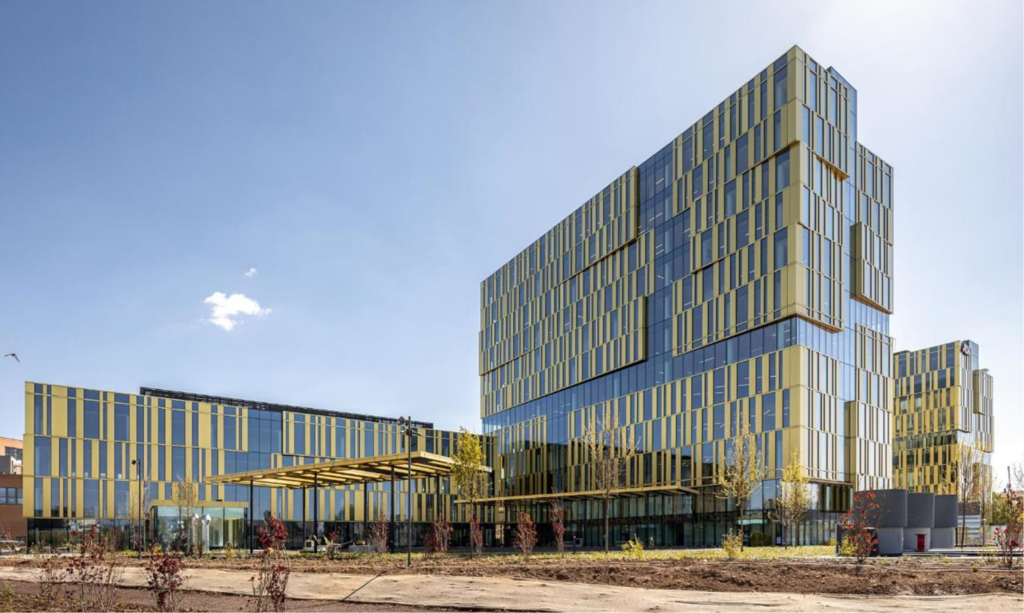
Building Value Beyond Construction for Industrial and Commercial Development
赋能工商产业发展,构筑超越建筑本身的价值
Introduction
As industries continue to transform under the combined pressures of sustainability transition, digitalization, and global competitiveness, investors, developers, owners, and tenants face a converging challenge: how to transform a vision into a high-performing asset while maintaining control over quality, timelines, costs, compliance, long-term operational performance, and increasingly, energy efficiency and carbon footprint reduction.
In parallel, corporate real estate itself is undergoing structural reconfiguration. Many companies are consolidating office space, relocating to smaller or more efficient environments, or redesigning headquarters due to hybrid work models, cost optimization strategies, and organizational restructuring. This shift is redefining buildings not as static assets, but as dynamic instruments for cost efficiency, spatial optimization, and carbon reduction.
In this context, the performance of a building is no longer measured only at completion. It is assessed across its entire lifecycle—through energy consumption, operational emissions, adaptability, and its contribution to broader corporate sustainability targets.
引言
在可持续转型、数字化升级与全球市场竞争的多重压力下,各行业持续变革。投资方、开发企业、物业持有方及租户正面临一项共性难题:如何将规划蓝图落地为高价值优质资产,同时全程把控工程品质、工期、造价、合规性与长期运营效能,且当下愈发需要兼顾能效提升与碳减排目标。
与此同时,企业不动产领域自身也在经历结构性重塑。受混合办公模式、成本优化策略及组织架构调整影响,大量企业缩减办公场地、搬迁至更小、更高能效的办公空间,或是重新规划总部园区。这一转变重新定义了建筑的定位:建筑不再是静态固定资产,而是实现成本管控、空间优化与低碳减排的动态载体。
在此背景下,建筑优劣不再仅以竣工交付作为评判标准,而是贯穿全生命周期综合衡量,考核维度包含能耗水平、运营碳排放、空间适配灵活性,以及对企业整体可持续发展目标的支撑成效。
From Fragmentation to Integrated Performance Delivery
The traditional construction model typically involves multiple independent parties responsible for architecture, engineering, construction, interior design, sustainability compliance, certification, and project management.
While widely established, this fragmented structure often results in inefficiencies, misaligned decision-making, delays, and cost overruns. More critically in today’s context, it limits the ability to design buildings holistically for energy performance and carbon reduction from the earliest stages, when the greatest long-term impact can be achieved.
As sustainability requirements become more stringent, this limitation becomes increasingly significant.
Industrial facilities must now support advanced manufacturing processes while minimizing energy consumption and embedded carbon. Office buildings must simultaneously optimize space utilization, improve productivity, and reduce operational energy demand. Commercial and hospitality developments are expected to balance user experience, operational efficiency, and environmental performance.
The built environment is therefore shifting from a construction-centric logic to a life-cycle performance logic, where energy efficiency and carbon footprint become core design parameters rather than downstream considerations.
从碎片化分工到一体化全效交付
传统建造模式通常由多方独立主体分别负责建筑、结构机电、施工、室内设计、可持续合规、绿色认证及项目管理等工作。
尽管这套模式应用已久,但这种碎片化分工体系往往造成运营低效、各方决策脱节、工期延误以及造价超支等问题。更为关键的是,在当下行业环境中,该模式难以在项目前期从全局视角统筹建筑节能与减碳设计 —— 而项目初期恰恰是决定建筑长期低碳效益最关键的阶段。
随着可持续发展相关法规标准日趋严苛,这一短板带来的负面影响愈发突出。
工业厂房既要适配高端制造工艺流程,又要最大限度降低能耗与隐含碳;写字楼需同步提升空间利用率、员工办公效率,削减运营能耗;商业及文旅酒店项目则要兼顾用户体验、运营效益与绿色环保指标。
由此,建筑行业的发展逻辑正从以施工建造为核心转向全生命周期效能导向:节能水平与碳足迹控制不再是后期补充考量项,而是贯穿设计阶段的核心指标。
Introducing CNEUCN Design & Build
Recognizing these evolving requirements, CNEUCN has launched its Design & Build Service, an integrated turnkey platform for industrial and commercial development delivered through a coordinated ecosystem of leading international and Chinese partners.
The service covers:
• Industrial facilities and manufacturing plants
• Corporate headquarters and office buildings
• Hotels and hospitality developments
• Retail and commercial destinations
• Mixed-use developments
In addition, selected high-end residential projects requiring bespoke design, energy efficiency optimization, and sustainability integration may also benefit from the ecosystem.
More than a construction service, the platform provides a unified framework integrating planning, design, engineering, construction, digitalization, sustainability, certification, and carbon-optimized lifecycle performance management.
CNEUCN设计建造服务重磅推出
洞察行业不断升级的发展需求,CNEUCN正式推出一体化设计建造服务。该一站式总包整合平台专注工商业项目开发,依托海内外头部合作方协同联动的完整服务体系落地实施。
服务覆盖范畴:
• 工业厂房与生产制造基地
• 企业总部及办公楼宇
• 酒店及文旅商业配套项目
• 购物中心、特色商业综合体
• 多功能复合开发项目
此外,部分高端住宅项目若需定制化设计、节能优化及全流程绿色低碳整合方案,同样可依托本服务体系实现落地。
本平台绝非单纯的工程施工服务,而是一套一体化统筹体系,整合规划、方案设计、机电工程、施工建造、数字化建设、可持续发展管控、绿色认证,以及低碳优化型建筑全生命周期效能管理全链条业务。
Why Design & Build Matters in Today’s Market
The Design & Build model is not simply a contractual simplification. It represents a structural shift in how buildings are conceived, delivered, and optimized.
Instead of fragmented stakeholders working in sequence, the integrated approach enables early-stage collaboration across architecture, engineering, energy systems, interior design, and sustainability planning.
This is particularly relevant today for three converging drivers.
First, project complexity requires deeper coordination between disciplines from the earliest design phase.
Second, companies are actively restructuring office space to reduce costs, improve efficiency, and adapt to hybrid work models.
Third, and increasingly decisive, new buildings must contribute directly to carbon reduction targets and energy efficiency goals across their entire lifecycle.
This last point is especially critical for industrial development.
In manufacturing environments, the energy performance of buildings directly influences production emissions. An inefficient facility increases energy consumption and therefore raises the carbon footprint of the products manufactured inside it. Conversely, a high-efficiency, low-carbon building reduces operational emissions, strengthens compliance readiness under emerging regulatory frameworks, and improves competitiveness in global supply chains increasingly shaped by carbon-related requirements.
In this sense, industrial buildings are no longer passive infrastructure—they are direct determinants of production carbon intensity and industrial competitiveness.
The Design & Build approach enables this optimization from the earliest design phase, rather than relying on costly retrofits or operational adjustments later in the lifecycle.
The result is improved cost control, stronger energy performance, reduced emissions, and higher long-term asset value.
当下市场为何青睐设计施工一体化总承包模式
设计施工一体化(Design & Build)模式绝不只是简化合同关系,更是建筑项目策划、交付与优化全流程的结构性变革。
传统模式下各方主体分段作业、相互割裂;而一体化模式可实现建筑、机电工程、能源系统、室内设计与可持续规划在项目前期同步协同。
当下三大行业趋势叠加,凸显该模式的核心价值:
第一,项目复杂度持续提升,要求各专业从方案初期深度协同;
第二,企业主动重构办公空间,压降成本、提升运营效率,适配混合办公模式;
第三,也是愈发关键的一点:新建建筑需在全生命周期内直接助力企业达成减碳与节能目标。
第三点对工业项目尤为重要。
生产厂区的建筑能耗表现会直接影响生产环节碳排放。低效厂房会拉高能源消耗,进而加大厂区产出产品的碳足迹;反之,高能效低碳建筑可削减运营碳排放,提前适配各类全新环保法规,帮助企业在日益受碳指标约束的全球供应链中提升竞争力。
由此可见,工业厂房不再是被动配套基建,而是决定产品碳强度与企业产业竞争力的核心要素。
采用设计施工一体化模式,可在设计源头完成低碳节能优化,无需等到项目后期投入高额成本改造或调整运营方案。
最终实现造价可控、建筑能效提升、碳排放降低,同时大幅提升资产长期价值。
Construction Excellence at the Core
At the center of the CNEUCN Design & Build platform is its strategic partnership with CSCEC Taisei.
This collaboration combines the large-scale execution capability of China State Construction Engineering Corporation with the engineering precision, quality standards, and technical expertise of Taisei Corporation.
Together, they bring extensive experience across industrial facilities, corporate headquarters, hospitality projects, and large-scale urban developments.
In the current global context, construction excellence is no longer defined solely by scale or speed. It must also ensure energy-efficient construction methods, optimized building systems, and compliance with increasingly strict ESG and carbon performance requirements.
For industrial facilities in particular, construction quality and system integration directly affect energy consumption, operational efficiency, and long-term emissions performance. As a result, construction becomes a foundational lever for both operational productivity and carbon reduction.
精工建造实力
CNEUCN一体化设计建造服务平台的核心支撑,是与中建-大成建筑有限责任公司(CSCEC Taisei)达成的战略合作。
本次强强联合,融合中国建筑集团雄厚的大型工程落地实施能力,以及大成建设在工程精工标准、品质管控与专业技术领域的深厚积淀。
双方合力深耕工业厂房、企业总部、酒店文旅及大型城市综合开发项目,积累了海量落地实操经验。
放眼当下全球行业环境,优质建造能力早已不再仅以项目体量、施工速度作为评判标准,还必须落实节能施工工艺、优化建筑配套系统,同时满足日趋严苛的环境、社会及治理(ESG)与碳效能管控要求。
其中工业厂房项目尤为突出:施工品质与机电系统一体化集成水平,直接决定建筑能耗、运营效率及长期碳排放表现。因此,精工建造是提升生产运营效能、实现碳减排的底层关键抓手。
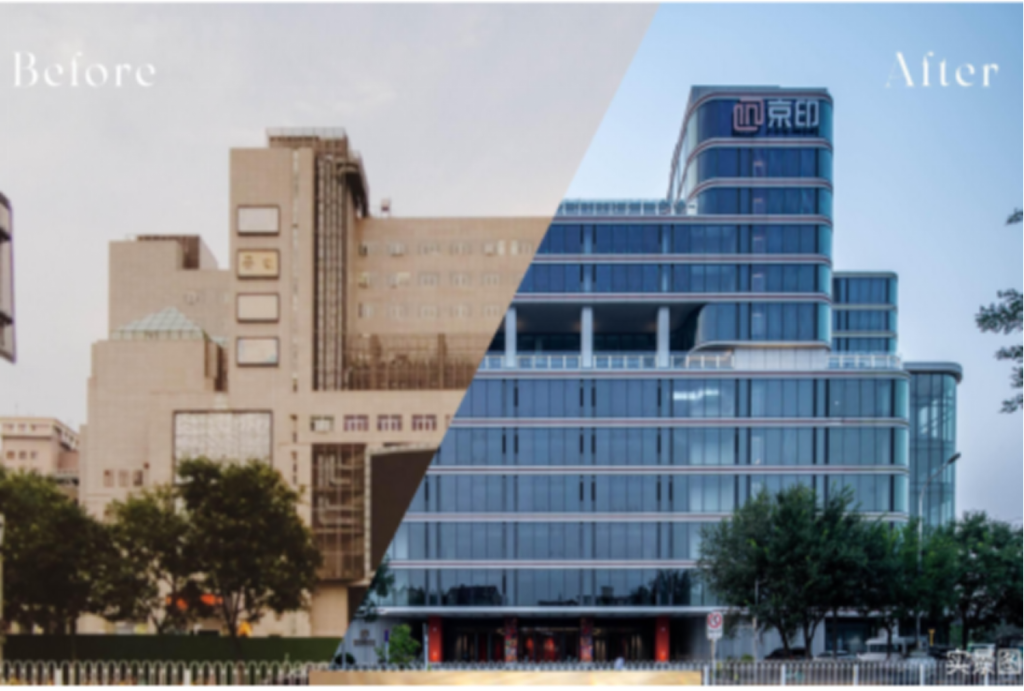
Design and Decoration as a Strategic Lever for Efficiency and Value Creation
If construction defines structure, design and decoration define performance.
As key contributors to the platform Oriental Senter and Progetto CMR, are specialists in sustainable architecture, integrated spatial solutions, interior design and decoration.
In today’s market, design is no longer limited to aesthetics or brand expression. It has become a strategic instrument for space optimization, cost efficiency, energy performance improvement, and organizational transformation.
Many companies are currently using design not to expand office space, but to reduce and reconfigure it. This includes consolidating offices, relocating to smaller and more efficient environments, and redesigning headquarters to support hybrid work models.
Within this transformation, design directly enables:
• improved space utilization and reduced real estate costs
• lower energy consumption through optimized layouts and material choices
• enhanced indoor environmental quality and employee productivity
• alignment between physical space and new organizational structures
• reduction of lifecycle operational emissions
As a result, corporate interior design is increasingly linked to both financial performance and sustainability outcomes.
Oriental Senter integrates these dimensions into a holistic fit-out and decoration methodology that connects functionality, sustainability, wellbeing, and lifecycle efficiency.
For high-end and specialized environments, Medelhan Bespoke complements the platform with tailor-made interior solutions for hospitality and flagship commercial projects, where premium experience and operational efficiency must coexist.
设计装饰 —— 提升运营效能、创造资产价值的核心抓手
建筑奠定建筑主体骨架,设计与装饰则决定建筑综合运营效能。
本服务平台核心合作方东方迅腾与Progetto CMR,均深耕可持续建筑、一体化空间规划、室内设计与精装工程领域。
当下市场中,设计早已不局限于视觉美学或品牌形象展示,而是成为实现空间优化、成本管控、节能增效、企业组织转型的战略性工具。
现阶段众多企业不再通过扩建办公场地满足需求,反而借助设计缩减、重构办公空间:整合分散办公点位、迁入更小且能效更高的办公场地、重新规划总部空间以适配混合办公模式。
在这场空间变革中,设计可直接实现多重价值:
• 提升空间利用率,削减不动产持有成本
• 通过优化空间布局与选材,降低建筑能耗
• 改善室内环境品质,提升员工工作效率
• 让实体空间适配企业全新组织架构
• 减少建筑全生命周期运营碳排放
由此,企业室内设计愈发与经营效益、可持续发展成果深度绑定。
东方森特将上述要素融为一体,打造一体化精装落地体系,兼顾实用功能、绿色低碳、人居健康与全生命周期节能效益。
针对高端特色业态,Medelhan Bespoke为平台提供配套定制化室内方案,主打酒店、标杆商业项目,在高端体验感与运营高效性之间实现平衡统一。
Intelligent, Sustainable and Low-Carbon Assets
The next stage of building evolution is defined by the convergence of digital intelligence and carbon management.
Through NordiQ and Akila, CNEUCN integrates green and smart building systems with digital twin technologies that support energy optimization, emissions tracking, and continuous sustainability performance improvement.
These technologies allow buildings to transition from static infrastructure into adaptive systems capable of continuously reducing energy waste and carbon emissions throughout their lifecycle.
This shift is particularly important for industrial and commercial assets, where even marginal improvements in energy efficiency can translate into significant reductions in operational costs and carbon intensity.
智慧低碳可持续资产
建筑行业发展的下一阶段,核心特征是数字智能与碳管控深度融合。
CNEUCN依托合作方诺蒂奇与Akila,将绿色建筑、智能楼宇系统与数字孪生技术一体化整合,实现能耗优化、碳排放追踪,并持续提升建筑可持续运营水平。
依托上述技术,建筑不再是静态基础设施,而是可自主动态调节的智能系统,能够在全生命周期内持续减少能源损耗与碳排放。
这一转型对工业、商业物业尤为关键:即便能效仅小幅提升,也能大幅降低运营成本、削减碳强度。
A Comprehensive Ecosystem of Expertise
Modern development projects require more than construction, design, and digital systems. They require coordinated expertise across materials, energy systems, certification, and environmental performance.
Within the CNEUCN ecosystem, these capabilities are integrated into a unified framework rather than functioning as isolated contributions.
Advanced sustainable material solutions from Saint-Gobain improve energy efficiency and reduce embodied carbon.
Healthy indoor environments are supported by daylighting and ventilation systems from VELUX, contributing simultaneously to occupant wellbeing and reduced energy demand.
Renewable energy integration is strengthened through solar technologies from FuturaSun, enabling buildings to actively reduce operational emissions and move toward energy autonomy.
Finally, compliance, certification, and sustainability verification are ensured by RINA, providing internationally recognized expertise in ESG standards, carbon accounting, and technical assurance.
Together, these capabilities form an integrated ecosystem where each component contributes to a unified objective: reducing lifecycle carbon emissions while enhancing asset performance, efficiency, and long-term value creation.
全链条专业协同生态体系
现代开发项目所需的远不止施工、设计与数字化系统,还需要材料、能源体系、绿色认证、环境效能等多领域专业能力协同支撑。
在CNEUCN的合作生态体系中,各类专业资源整合为统一服务体系,而非各自独立运作。
圣戈班提供前沿可持续建材方案,提升建筑能效、降低建材隐含碳;
威卢克斯的采光与通风系统打造健康室内环境,兼顾人居舒适与能耗削减;
伏图拉光伏技术完善可再生能源配套,助力建筑主动降低运营碳排放,逐步实现能源自给;
里纳负责合规管控、绿色认证与可持续指标核验,在 ESG 标准、碳核算、工程技术保障方面具备国际权威专业能力。
各方专业能力共同构筑一体化生态,所有板块围绕同一核心目标发力:降低建筑全生命周期碳排放,同步提升资产运营效能、使用效率,实现长期价值增值。
A New Platform for Industrial and Commercial Development
The launch of the CNEUCN Design & Build Service reflects a broader strategic shift: the integration of industrial development, sustainability transition, and international cooperation into a single value creation framework.
By connecting construction leaders, design specialists, digital intelligence providers, and sustainability experts within one coordinated ecosystem, CNEUCN enables a more efficient and performance-driven development model.
As industrial transformation accelerates and carbon regulations tighten globally, buildings are becoming strategic instruments of competitiveness—directly influencing energy costs, emissions performance, and corporate positioning in global markets.
The Design & Build platform is designed precisely for this transition: from fragmented execution to integrated, low-carbon, lifecycle-optimized value creation.
工商业开发全新一体化服务平台
CNEUCN一体化设计建造服务的推出,背后是企业整体战略的升级转型:将产业开发、可持续低碳转型、国际多方协作融为一体,搭建统一的价值创造体系。
平台整合头部工程建造企业、专业设计机构、数字化智能服务商与绿色可持续领域专家,形成协同联动的完整生态,CNEUCN打造一套更高效率、以全周期运营效能为核心的开发模式。
伴随全球产业升级提速、各地碳管控法规日趋严格,建筑已然成为企业提升竞争力的战略载体,直接影响企业能源成本、碳排放表现,以及企业在全球市场中的行业站位。
本一体化设计建造平台正是为适配这一行业变革而生:告别分段割裂的项目实施模式,转向一体化、低碳化、全生命周期优化的长效价值开发模式。
Pictures credits:
Progetto CMR (Cover picture), Oriental Senter
图片版权说明:
Progetto CMR (封面图), Oriental Senter
#DesignAndBuild #建筑一体化
#LowCarbonBuildings #低碳建筑
#EnergyEfficiency #能源效率
#CarbonReduction #碳减排
#IndustrialDecarbonization #工业脱碳
#IndustrialDevelopment #工业发展
#CommercialRealEstate #商业地产
#OfficeRedesign #办公空间重构
#SpaceOptimization #空间优化
#CostEfficiency #成本优化
#SustainableBuildings #绿色建筑
#LifecycleCarbon #全生命周期碳排放
#SmartBuildings #智慧建筑
#DigitalTwin #数字孪生
#ESG #环境社会治理
#CarbonNeutrality #碳中和
#ConstructionInnovation #建筑创新
#FutureOfWork #未来办公
 ZH
ZH