
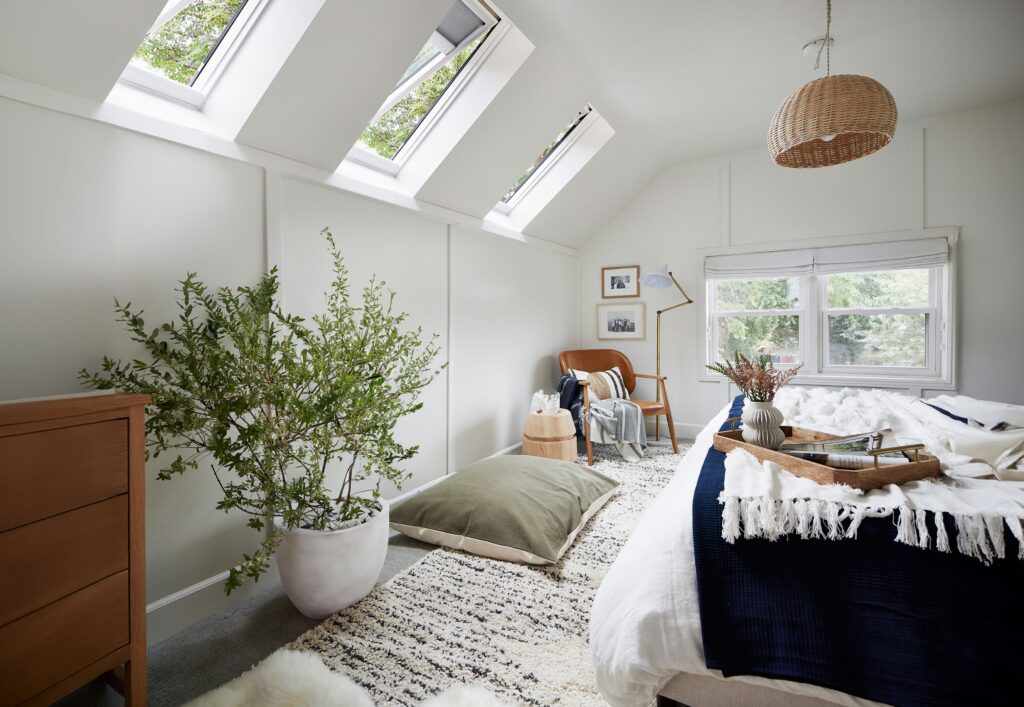
How Indoor Comfort and Energy Efficiency Are Converging
室内舒适性与能源效率如何走向融合
Introduction
Across both China and the European Union, the definition of “high-performance buildings” is undergoing a fundamental shift. For decades, building performance has been measured primarily through energy efficiency indicators—energy consumption per square meter, thermal insulation values, or operational carbon intensity. While these metrics remain essential, they are no longer sufficient on their own.
Growing scientific evidence shows that indoor environmental quality—daylight, air quality, thermal comfort and visual comfort—directly affects physical health, mental wellbeing, productivity and learning outcomes. At the same time, these same factors strongly influence operational energy demand and carbon emissions. As a result, health-oriented building design and energy-efficient design are no longer separate agendas; they are increasingly converging into a single, integrated performance framework.
This convergence is reshaping policy priorities, design methodologies and technology choices in both China and the EU. It also creates a new, concrete area for China–EU cooperation: healthy, low-carbon buildings that balance human wellbeing with climate objectives.
引言
在中国与欧盟,关于“高性能建筑”的定义正在经历一场根本性的转变。过去数十年中,建筑性能主要通过能源效率指标来衡量——例如单位面积能耗、围护结构保温性能,或运行阶段的碳排放强度。尽管这些指标依然至关重要,但它们已不足以单独支撑对建筑整体价值的判断。
越来越多的科学研究表明,室内环境质量——包括自然采光、空气质量、热舒适性和视觉舒适性——直接影响人的身体健康、心理福祉、工作效率以及学习成果。与此同时,这些因素也对建筑运行能耗和碳排放产生显著影响。因此,以健康为导向的建筑设计与以能效为导向的建筑设计,已不再是彼此独立的议题,而是正逐步汇聚为一个统一、综合的性能框架。
这一融合趋势正在重塑中国与欧盟在政策重点、设计方法以及技术选择上的整体方向,也为中欧合作创造了一个新的、具体的切入点:在兼顾人类福祉与气候目标的前提下,推动健康、低碳建筑的发展。
From Energy Metrics to Human-Centred Performance
Building performance assessment is expanding from “how much energy a building uses” to “how a building supports people while reducing emissions.”
Key shifts driving this transition include:
Scientific evidence on health impacts
• Research on daylight and window design demonstrates measurable effects on circadian rhythm regulation, mental health, cognitive performance and overall wellbeing.
• Natural ventilation and access to outdoor views contribute to reduced stress, improved concentration and better sleep quality.
Operational energy implications
• Optimized daylighting reduces reliance on artificial lighting.
• Passive shading and ventilation strategies lower cooling demand and peak loads.
• Stable indoor conditions reduce over-compensation by HVAC systems.
Rising importance of performance-based evaluation
• Buildings are increasingly assessed across their full lifecycle, combining operational energy, embodied carbon and user experience.
• Public buildings, schools and healthcare facilities are at the forefront of this shift due to their social impact.
Together, these factors are redefining “efficiency” as a balanced outcome between energy, carbon and human wellbeing.
从能源指标到以人为本的性能评价
建筑性能评估正从“建筑消耗了多少能源”,转向“建筑如何在降低排放的同时支持人的需求”。
推动这一转变的关键因素包括:
健康影响的科学证据
• 关于自然采光与窗户设计的研究表明,其对昼夜节律调节、心理健康、认知表现以及整体福祉具有可量化的积极影响。
• 自然通风以及对室外景观的可视性,有助于缓解压力、提升专注度,并改善睡眠质量。
运行能耗的影响
• 优化的采光设计可显著降低对人工照明的依赖。
• 被动遮阳与自然通风策略有助于减少制冷需求及用能峰值。
• 稳定的室内环境条件可避免暖通空调系统的过度补偿运行。
基于性能的评价重要性不断提升
• 建筑正越来越多地在全生命周期尺度下被评估,综合考量运行能耗、隐含碳排放以及使用者体验。
• 公共建筑、学校与医疗设施因其显著的社会影响,正走在这一转变的前沿。
综合来看,这些因素正在重新定义“效率”的内涵,使其成为能源、碳排放与人类福祉之间的平衡结果。
WELL and the Measurement of Indoor Environmental Quality
The convergence of health and energy performance is reinforced by international evaluation frameworks, most notably the “WELL” Building Standard.
WELL provides a structured methodology to assess indoor environmental quality across multiple dimensions, including:
Light
• Access to daylight
• Visual comfort and glare control
• Alignment with circadian health principles
Air
• Ventilation effectiveness
• Indoor air quality and pollutant control
Thermal Comfort
• Temperature stability
• Adaptive comfort strategies
Mind and Comfort
• Connection to nature
• Psychological wellbeing and user experience
Importantly, WELL does not operate in isolation from energy performance. Many WELL strategies—daylighting, shading, natural ventilation—directly contribute to lower operational energy demand. This creates a common language through which health-focused design and low-carbon objectives can be evaluated together rather than in competition.
WELL 标准与室内环境质量的量化评估
健康与能效性能的融合,得到了国际评估框架的进一步强化,其中最具代表性的是 WELL 建筑标准。
WELL 提供了一套系统化的方法,用于从多个维度评估室内环境质量,包括:
光环境
• 自然采光的获取
• 视觉舒适性与眩光控制
• 与昼夜节律健康原则的协调一致
空气
• 通风效率
• 室内空气质量与污染物控制
热舒适
• 温度稳定性
• 适应性舒适策略
心理与舒适
• 与自然的连接
• 心理健康与使用者体验
值得注意的是,WELL 并未脱离能源性能而独立运作。许多 WELL 所倡导的策略——如自然采光、遮阳与自然通风——本身就直接有助于降低运行能耗。这为健康导向设计与低碳目标提供了一种共同语言,使二者能够被协同评估,而非彼此竞争。
China–EU Policy and Institutional Background
China
China’s green building and urban renewal policies increasingly recognize indoor environmental quality as a core performance dimension:
• Public buildings and renovation projects are prioritizing comfort, daylight and ventilation, alongside energy savings.
• Urban regeneration programs emphasize integrated design approaches, particularly in schools, offices and community facilities.
The focus is shifting from isolated efficiency upgrades to system-level performance optimization.
These trends reflect a growing understanding that energy efficiency targets are more sustainable when buildings actively support occupant wellbeing.
European Union
In the EU, the Energy Performance of Buildings Directive (EPBD) is evolving toward a more holistic understanding of building performance:
• Energy efficiency requirements are increasingly linked to quality of the indoor environment.
• Policy discussions connect lower energy costs with healthier, more livable spaces.
• Renovation strategies for existing buildings emphasize passive measures, daylighting and adaptive comfort.
This alignment between health, comfort and energy performance provides a strong institutional basis for China–EU knowledge exchange.
中欧政策与制度背景
中国
中国的绿色建筑与城市更新政策正日益将室内环境质量视为核心性能维度之一:
• 公共建筑及改造项目在强调节能的同时,更加重视舒适性、采光与通风。
• 城市更新项目强调一体化设计方法,尤其在学校、办公建筑与社区设施中尤为明显。
政策关注点正从单项效率提升,转向系统层面的性能优化。
这些趋势反映出一种日益清晰的共识:当建筑能够主动支持使用者的健康与福祉时,能效目标本身也将更加可持续。
欧盟
在欧盟,《建筑能效指令》(EPBD)正朝着更加整体化的建筑性能认知方向演进:
• 能源效率要求正越来越多地与室内环境质量相联系。
• 政策讨论将能源成本降低与更健康、更宜居的空间体验相结合。
• 既有建筑的改造策略强调被动式措施、自然采光与适应性舒适理念。
健康、舒适性与能源性能之间的这一制度性协同,为中欧之间的知识交流奠定了坚实基础。
Technology Spotlight: VELUX’s Integrated Indoor Climate Approach
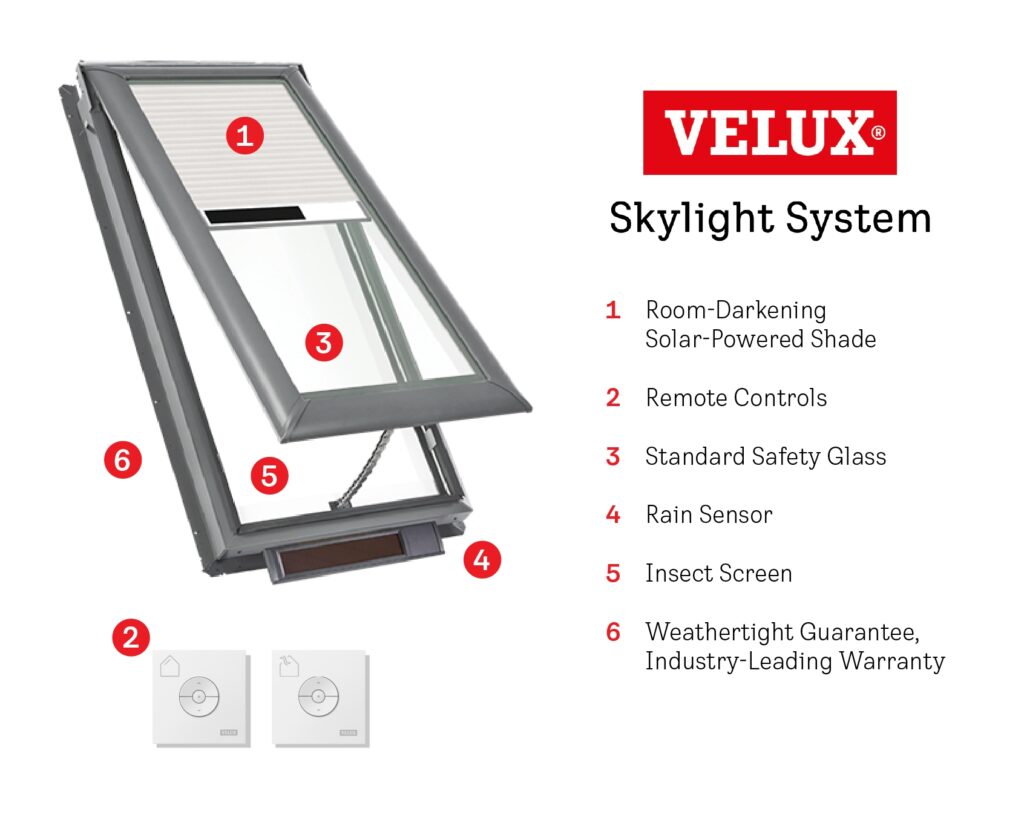
The convergence of health and energy objectives becomes tangible when translated into integrated building systems. VELUX’s skylight systems offer a representative example of how research, technology and design can be combined into a coherent solution.
Rather than functioning as isolated building components, these systems operate as micro-scale indoor climate management nodes, integrating multiple functions:
Passive design strategies
• Daylight modulation to maximize natural light while preventing glare.
• External shading to reduce solar heat gains without blocking visual connection to the outdoors.
Active energy supply
• Solar-powered components support autonomous operation and reduce reliance on grid electricity.
Intelligent control
• User interaction and sensor-based automation respond to changing light, temperature and weather conditions.
• Adaptive operation improves comfort while minimizing unnecessary energy use.
This approach is grounded in long-term scientific research on the physiological and psychological effects of windows and daylight, translating evidence-based insights into practical architectural solutions.
技术聚焦:VELUX 的一体化室内气候解决方案
当健康与能效目标被转化为一体化建筑系统时,这种融合便具象化呈现。VELUX 的天窗系统正是一个具有代表性的案例,展示了如何将科研、技术与设计整合为一个连贯的解决方案。
这些系统并非作为孤立的建筑部件存在,而是作为微尺度的室内气候管理节点,集成多重功能:
被动式设计策略
• 通过调节自然采光,在最大化自然光利用的同时避免眩光。
• 采用外部遮阳,在不遮挡与室外视觉连接的情况下减少太阳热量的增加。
主动能源供给
• 太阳能驱动的组件支持系统自主运行,降低对电网电力的依赖。
智能控制
• 通过用户交互与基于传感器的自动化控制,动态响应光照、温度与气候变化。
• 自适应运行机制在提升舒适性的同时,减少不必要的能源消耗。
这一方法建立在对窗户与自然采光对人体生理与心理影响的长期科学研究基础之上,将循证研究成果转化为可落地的建筑解决方案。
Outdoor Integrated Sunshade Systems: Extending Performance Beyond the Envelope
Complementing skylight systems, outdoor integrated sunshade solutions—such as the MMT and MMV systems—extend performance optimization to the building exterior.
Key performance contributions include:
Thermal and solar control
• Significant reduction of solar radiation entering the building envelope.
• Stabilization of indoor temperatures, lowering cooling and heating demand.
Daylight quality
• Shading that maintains soft, usable natural light rather than eliminating it.
• Reduction of glare while preserving outdoor visibility.
Resilience and durability
• High wind resistance and robust structural design ensure long-term reliability.
• Modular systems support efficient installation and maintenance.
Smart integration
• Sensor-based control linked to light, weather and user preferences.
• Automated responses reduce energy waste and improve user experience.
Together with skylight systems, these solutions form a closed-loop performance concept—linking indoor comfort, outdoor environmental response and operational efficiency.
户外一体化遮阳系统:将性能优化延伸至建筑外围
作为天窗系统的补充,户外一体化遮阳解决方案——如 MMT 与 MMV 系统——将性能优化进一步延伸至建筑外立面。
其核心性能贡献包括:
热环境与太阳辐射控制
• 显著减少进入建筑围护结构的太阳辐射
• 稳定室内温度,降低制冷与采暖需求
采光质量优化
• 在提供遮阳的同时保留柔和、可利用的自然光,而非完全阻断
• 在减少眩光的同时保持对室外环境的可视性
韧性与耐久性
• 高抗风性能与稳固的结构设计,确保长期可靠运行
• 模块化系统支持高效安装与维护
智能集成
• 基于光照、天气及用户偏好的传感控制
• 自动化响应减少能源浪费,并提升使用体验
与天窗系统协同,这些解决方案构成了一个闭环性能体系,将室内舒适性、外部环境响应与运行效率紧密联结。
Recognition and Broader Architectural Significance
The integrated indoor climate approach represented by VELUX’s systems has received international recognition, including major architectural awards. Such recognition highlights broader trends in contemporary architecture:
• Human-centred design is increasingly seen as a driver of sustainability, not a trade-off.
• Passive and active systems are most effective when designed as coherent ecosystems, rather than standalone technologies.
• Evidence-based design strengthens the credibility of low-carbon building strategies.
These trends align closely with the evolving priorities of both Chinese and European building sectors.
认可与更广泛的建筑意义
VELUX 所代表的一体化室内气候解决方案已获得多项国际建筑奖项的认可。这种认可折射出当代建筑领域的更广泛趋势:
• 以人为本的设计正日益被视为可持续性的驱动力,而非与之权衡的对象。
• 被动系统与主动系统在作为一个整体生态系统设计时,其效果最为显著,而非作为孤立技术存在。
• 循证设计提升了低碳建筑策略的可信度。
这些趋势与中欧建筑领域不断演进的优先议题高度契合。
Relevance for China–EU Collaboration
The convergence of healthy building design and energy efficiency presents a strategic opportunity in several topics:
Facilitating China–EU exchange
• Creating platforms for sharing best practices in healthy, low-carbon building design.
• Linking research institutions, policymakers and technology providers.
Supporting demonstration projects
• Promoting integrated performance solutions in public and educational buildings.
• Using pilot projects to test combined health and energy metrics.
Advancing policy dialogue
• Encouraging alignment between health-oriented standards and energy performance regulations.
• Supporting the development of evaluation frameworks that reflect real human and environmental outcomes.
对中欧合作的意义
健康建筑设计与能源效率的融合,在多个层面上为中欧合作提供了战略机遇:
促进中欧交流
• 搭建平台,分享健康、低碳建筑设计的最佳实践。
• 连接科研机构、政策制定者与技术提供方。
支持示范项目
• 在公共建筑与教育建筑中推广一体化性能解决方案。
• 通过试点项目测试健康与能源的复合评价指标。
推进政策对话
• 推动健康导向标准与能源性能法规之间的协同。
• 支持建立能够反映真实人类与环境结果的评估框架。
Conclusion
The future of low-carbon buildings will not be defined by energy efficiency alone. As scientific evidence, policy priorities and design practice increasingly align, indoor comfort and human wellbeing are becoming central components of sustainable performance.
By integrating daylight, ventilation, shading, intelligent control and evidence-based design, buildings can simultaneously reduce carbon emissions and enhance quality of life. This convergence creates a powerful foundation for China–EU cooperation—and a clear pathway toward healthier, more resilient and genuinely sustainable built environments.
结论
低碳建筑的未来,已不再仅由能源效率来定义。随着科学证据、政策重点与设计实践的不断趋同,室内舒适性与人类福祉正成为可持续性能的核心组成部分。
通过整合自然采光、通风、遮阳、智能控制以及循证设计,建筑能够在降低碳排放的同时显著提升生活质量。这种融合为中欧合作奠定了坚实基础,也为构建更加健康、更具韧性、真正可持续的建成环境,指明了一条清晰路径。
 ZH
ZH