
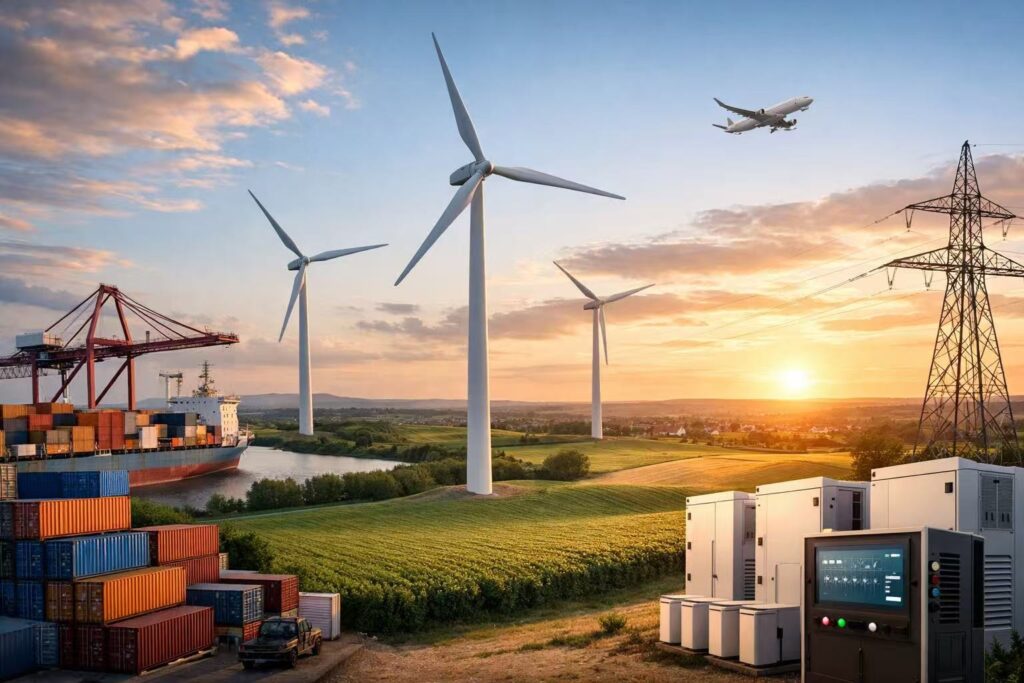
Central Europe Accelerates Renewable Expansion and Strengthens Energy Transition Dynamics
中欧加速可再生能源扩张,强化能源转型动能
Introduction
Hungary has recently announced the development of its largest wind power project in several years, marking a significant step in the country’s renewable energy trajectory. This development reflects a broader shift within Central Europe, where countries are increasingly prioritizing renewable energy deployment as part of their long-term energy strategies.
The project emerges at a time when the European Union is intensifying its efforts to meet climate targets, reduce greenhouse gas emissions, and enhance energy security. Within this context, wind energy is regaining importance in markets where its development had previously slowed, including Hungary. The announcement therefore signals not only a national policy adjustment but also a regional trend toward renewed engagement with renewable energy technologies.
For Central European economies, renewable expansion is closely linked to both environmental objectives and economic considerations. Investments in clean energy infrastructure are increasingly seen as a pathway to strengthening energy independence, attracting investment, and supporting industrial transformation.
引言
匈牙利近日宣布开发其数年来规模最大的风电项目,这标志着该国在可再生能源发展道路上迈出重要一步。这一举措也反映出中欧地区正在发生的更广泛转变:该地区各国正日益将推广可再生能源纳入长期能源战略并予以优先发展。
该项目推出之际,欧盟正加大力度实现气候目标、减少温室气体排放并提升能源安全。在此背景下,风电在包括匈牙利在内此前发展放缓的市场中重新受到重视。因此,这一宣布不仅体现了匈牙利国内的政策调整,也彰显出整个地区重新发力可再生能源技术的发展趋势。
对于中欧各经济体而言,可再生能源的扩张与环境目标和经济考量紧密相关。对清洁能源基础设施的投资,正日益被视为增强能源自主、吸引投资并支撑产业转型的重要路径。
Hungary’s Wind Energy Momentum
Hungary’s wind energy sector has historically developed more cautiously compared to other renewable technologies, particularly solar power. Regulatory restrictions and planning limitations in previous years contributed to a relatively slow pace of wind project deployment.
However, the recent announcement of a large-scale wind project indicates a shift in this trajectory. The project suggests that Hungary is gradually reassessing the role of wind energy within its national energy mix.
Several factors are contributing to this renewed momentum:
• Increasing demand for electricity driven by economic activity and electrification
• Growing policy alignment with EU climate and energy objectives
• Rising importance of diversifying energy sources
• Stronger focus on reducing reliance on external energy supplies
As a result, wind energy is beginning to regain relevance within Hungary’s broader renewable energy strategy.
匈牙利风电发展势头
与其他可再生能源技术(尤其是太阳能)相比,匈牙利风电行业的发展历来更为谨慎。前几年的监管限制和规划制约,导致风电项目的部署速度相对缓慢。
然而,近期大型风电项目的宣布,标志着这一发展轨迹出现转变。该项目表明,匈牙利正逐步重新评估风电在其国家能源结构中的作用。
多个因素推动了这一势头的复苏:
• 经济活动和电气化进程推动电力需求增长
• 政策与欧盟气候及能源目标的契合度不断提高
• 能源来源多样化的重要性日益凸显
• 更加强调减少对外部能源供应的依赖
因此,在匈牙利更广泛的可再生能源战略中,风电正开始重新发挥重要作用。
Renewable Energy and EU Policy Direction
Across the European Union, renewable energy continues to play a central role in achieving climate neutrality targets. EU policy frameworks increasingly emphasise the need for rapid deployment of renewable energy technologies, including wind and solar power.
Wind energy contributes to multiple strategic priorities:
• Reducing carbon emissions from electricity generation
• Supporting the electrification of key sectors such as transport and industry
• Enhancing energy security through domestic generation
• Strengthening the resilience of energy systems
The development of wind projects in countries such as Hungary reflects the implementation of these broader policy objectives at the national level. While Western Europe has historically led wind energy deployment, Central Europe is now accelerating its participation in the transition.
This shift is expected to contribute to a more balanced and geographically diversified renewable energy landscape across the EU.
可再生能源与欧盟政策导向
在整个欧盟范围内,可再生能源在实现气候中和目标方面继续发挥核心作用。欧盟政策框架日益强调,需要快速部署包括风电和太阳能在内的可再生能源技术。
风电有助于实现多项战略重点:
• 减少发电过程中的碳排放
• 支持交通、工业等关键领域的电气化进程
• 通过国内发电提升能源安全
• 增强能源系统的韧性
匈牙利等国的风电项目发展,体现了这些更广泛的政策目标在国家层面的实施。尽管西欧在风电部署方面历来处于领先地位,但中欧如今正加速参与这一转型进程。
这一转变有望推动欧盟形成一个更加平衡、地理分布更趋多样化的可再生能源格局。
Central Europe’s Role in the Energy Transition
Central and Eastern Europe are increasingly becoming active contributors to Europe’s energy transition. While the region has traditionally relied more heavily on conventional energy sources, recent developments indicate a gradual but steady transformation.
Key regional trends include:
• Expansion of renewable energy capacity
• Modernisation of electricity infrastructure and grids
• Adoption of new regulatory frameworks supporting clean energy
• Increased investor interest in emerging renewable markets
Hungary’s wind power project can therefore be understood as part of a broader regional movement. As countries in Central Europe scale up renewable deployment, they are playing a more significant role in supporting the EU’s overall climate objectives.
This transition is not only technological but also structural, as energy systems evolve to accommodate higher shares of variable renewable energy.
中欧在能源转型中的作用
中东欧地区正日益成为欧洲能源转型的积极贡献者。尽管该地区传统上更依赖传统能源,但近期的发展表明,其正经历一场渐进但稳步的转型。
该地区的主要趋势包括:
• 可再生能源装机容量扩张
• 电力基础设施与电网现代化
• 采用支持清洁能源的新监管框架
• 投资者对新兴可再生能源市场的兴趣增加
因此,匈牙利的风电项目可被视为这一更广泛地区趋势的一部分。随着中欧各国扩大可再生能源部署,它们在支持欧盟整体气候目标方面正发挥着越来越重要的作用。
这一转型不仅是技术层面的,也是结构层面的,因为能源系统正不断演变,以适应更高比例的波动性可再生能源。
EU–China Relevance and Global Implications
The acceleration of renewable energy deployment in Europe has implications that extend beyond the region itself. As the EU continues to invest in wind power and other clean energy technologies, global supply chains and industrial cooperation are also influenced.
Wind energy projects depend on a wide range of technologies and components, including:
• Wind turbines and key mechanical components
• Power electronics and grid integration systems
• Digital monitoring and control technologies
• Energy storage and balancing solutions
Europe’s renewable expansion creates potential opportunities for cooperation in technology, manufacturing, and project development.
The EU is placing increasing emphasis on strengthening its own clean technology capabilities and ensuring supply-chain resilience. This creates a dynamic environment in which cooperation and competition coexist, shaping the future of global clean energy markets.
欧中关联及全球影响
欧洲可再生能源部署的加速,其影响已超出该地区本身。随着欧盟持续投资风电及其他清洁能源技术,全球供应链与产业合作也受到了影响。
风电项目依赖多种技术和组件,包括:
• 风力涡轮机及关键机械组件
• 电力电子设备及电网整合系统
• 数字监测与控制技术
• 储能及平衡解决方案
欧洲可再生能源的扩张,为技术、制造及项目开发领域的合作创造了潜在机遇。
欧盟正日益重视强化自身清洁技术能力,并确保供应链韧性。这形成了一个合作与竞争共存的动态环境,影响着全球清洁能源市场的未来。
Business and Investment Implications
The development of large-scale renewable projects in Central Europe is generating new opportunities for businesses and investors across the energy sector.
Key areas of opportunity include:
• Participation in renewable infrastructure development
• Supply of wind energy equipment and components
• Grid modernisation and smart energy solutions
• Engineering, procurement, and construction services
• Digital and data-driven energy management systems
For companies operating in the clean energy space, Central Europe represents a growing market with evolving regulatory frameworks and increasing demand for advanced technologies.
Understanding the policy direction, market conditions, and investment landscape in countries such as Hungary will be essential for stakeholders seeking to position themselves effectively in Europe’s energy transition.
商业与投资影响
中欧大型可再生能源项目的发展,为能源领域的企业和投资者带来了新的机遇。
主要机遇领域包括:
• 参与可再生能源基础设施建设
• 供应风电设备及组件
• 电网现代化及智能能源解决方案
• 工程、采购及建筑服务
• 数字化及数据驱动的能源管理系统
对于在清洁能源领域运营的企业而言,中欧是一个不断发展的市场,其监管框架在逐步完善,对先进技术的需求也在不断增加。
对于希望在欧洲能源转型中有效定位自身的利益相关者而言,了解匈牙利等国的政策导向、市场环境及投资格局至关重要。
Conclusion
Hungary’s announcement of its largest wind power project in several years highlights a broader transformation taking place across Central Europe. As renewable energy becomes an increasingly central component of national energy strategies, the region is emerging as an important contributor to the European Union’s decarbonisation efforts.
These developments create new opportunities for international collaboration, particularly in areas such as technology development, supply chains, and infrastructure investment. At the same time, they require a clear understanding of policy frameworks, market dynamics, and industrial implications.
Through its cross-regional expertise, China Europe Carbon Neutral Technology (CNEUCN) can play a strategic role by supporting stakeholders in navigating the evolving clean energy landscape:
• Providing analysis of renewable energy policies and market developments
• Identifying cooperation opportunities between European and Chinese stakeholders
• Supporting dialogue on wind energy technologies and grid integration solutions
• Facilitating strategic positioning in emerging renewable markets
CNEUCN aims to enhance understanding, promote collaboration, and support informed decision-making in the transition toward carbon neutrality.
结论
匈牙利宣布开发其数年来规模最大的风电项目,凸显了中欧地区正在发生的更广泛转型。随着可再生能源日益成为国家能源战略的核心组成部分,该地区正逐渐成为欧盟脱碳努力的重要贡献者。
这些发展为国际合作创造了新机遇,尤其是在技术开发、供应链和基础设施投资等领域。与此同时,这也要求各方清晰了解政策框架、市场动态及产业影响。
依托其跨区域专业能力,中欧碳中和技术(CNEUCN)可发挥战略作用,支持利益相关者应对不断演变的清洁能源格局:
• 提供可再生能源政策及市场发展分析
• 挖掘欧中利益相关者之间的合作机遇
• 支持风电技术及电网整合解决方案相关对话
• 助力在新兴可再生能源市场实现战略定位
中欧碳中和技术(CNEUCN)旨在增进理解、促进合作,并支持各方在向碳中和转型过程中做出明智决策。
 ZH
ZH