
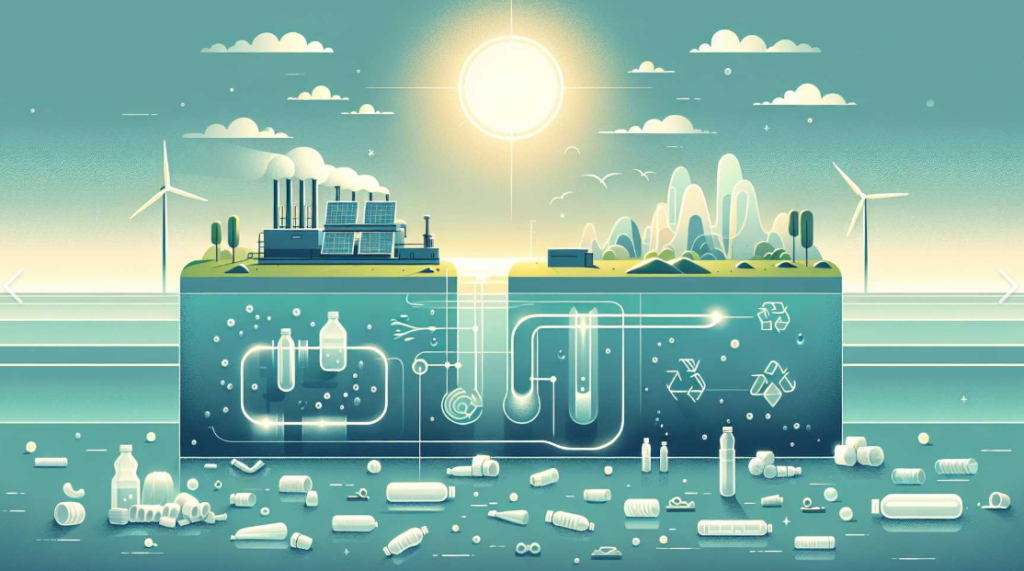
A dual-waste innovation redefines hydrogen production and industrial decarbonization
双废资源化创新,重新定义制氢模式与工业脱碳
Introduction
As global decarbonisation efforts accelerate, hydrogen has emerged as a critical vector for enabling deep emissions reductions across hard-to-abate sectors, including heavy industry, chemicals, and long-distance transport. Yet, despite its strategic importance, the sustainability of hydrogen production remains a central concern. Today, the majority of global hydrogen supply is still derived from fossil fuels, raising questions about its true environmental value.
A recent technological development introduces a fundamentally different perspective: the conversion of battery acid and plastic waste into clean hydrogen. By combining two environmentally problematic waste streams into a productive chemical process, this innovation offers not only a new pathway for hydrogen generation, but also a broader vision for integrating circular economy principles into energy systems.
This development reflects an important shift in the decarbonisation landscape. Rather than treating waste management and clean energy production as separate challenges, it demonstrates how they can be addressed simultaneously through integrated technological solutions. In doing so, it opens new possibilities for industrial transformation, particularly in regions such as Europe and China, where both hydrogen deployment and circular economy strategies are advancing rapidly.
引言
随着全球脱碳进程加速,氢能已成为高耗能难减排领域实现深度降碳的关键载体,涵盖重工业、化工及长途交通运输等行业。尽管氢能具备重要战略价值,但制氢环节的可持续性始终是核心关注点。目前全球大部分氢气供应仍依赖化石能源制取,这也让氢能的实际环保价值备受质疑。
一项最新技术突破带来了全新思路:利用废电池酸液与塑料废弃物制备清洁氢气。该技术将两类环境危害型废弃物整合为可利用的化工生产流程,不仅开辟了全新的制氢路径,更为把循环经济理念融入能源体系提供了广阔构想。
这一技术进展标志着全球脱碳格局迎来重要转变。它不再将废弃物治理与清洁能源生产视作彼此独立的难题,而是通过一体化技术方案实现同步解决。同时也为产业转型创造了新机遇,在中欧等氢能应用与循环经济战略高速推进的地区,价值尤为突出。
Reframing Waste: From Liability to Resource
Plastic waste and hazardous industrial by-products, such as used battery acid, have long posed significant environmental and regulatory challenges. Their disposal often involves complex treatment processes, high costs, and limited opportunities for value recovery.
The innovation described in this development challenges this conventional paradigm by positioning these materials as valuable inputs within a resource-efficient system. Instead of being treated solely as waste, plastic and battery acid are reinterpreted as feedstocks capable of supporting hydrogen production.
This reframing carries broader implications for industrial systems:
• It shifts waste management from a cost centre to a value-generating activity
• It supports the transition from linear production models toward circular resource loops
• It expands the concept of resource efficiency beyond recycling to include chemical transformation pathways.
In the European context, such approaches align closely with the objectives of the Circular Economy Action Plan and broader Green Deal policies, which prioritise resource efficiency and waste reduction. In China, similar priorities are reflected in efforts to improve industrial resource utilisation and reduce environmental pressures under the Dual Carbon strategy.
By bridging these agendas, waste-to-hydrogen solutions offer a tangible example of how environmental challenges can be transformed into industrial opportunities.
重塑废弃物定位:从环境负担到可用资源
塑料废弃物以及废电池酸液等危险工业副产物,长期以来一直带来严峻的环境压力与合规监管难题。此类废弃物的处置往往流程复杂、成本高昂,且价值回收空间十分有限。
本次所述技术创新打破了这一传统固有模式,将这类废弃物重新定位为资源高效利用体系中的高价值原料。塑料垃圾与废电池酸液不再仅被视作待处理废料,而是被重新定义为可用于制备氢气的生产原料。
这种理念重构对工业体系具有深远意义:
• 推动废弃物管理从成本消耗环节转变为价值创造环节;
• 助力产业从传统线性生产模式,向循环资源闭环模式转型;
• 拓展资源效率的内涵,不再局限于常规回收利用,进一步覆盖化学转化利用路径。
在欧洲层面,该技术路径与《循环经济行动计划》及绿色新政整体政策目标高度契合,均以提升资源利用效率、减少废弃物排放为核心优先级。在中国,双碳战略框架下,提升工业资源利用率、缓解生态环境压力的发展导向,也与上述理念高度一致。
通过衔接中欧双方的绿色发展议程,废物资源制氢方案提供了切实可行的范例,印证了环境挑战完全可以转化为产业发展新机遇。
Technological Innovation: A Hybrid Pathway to Hydrogen
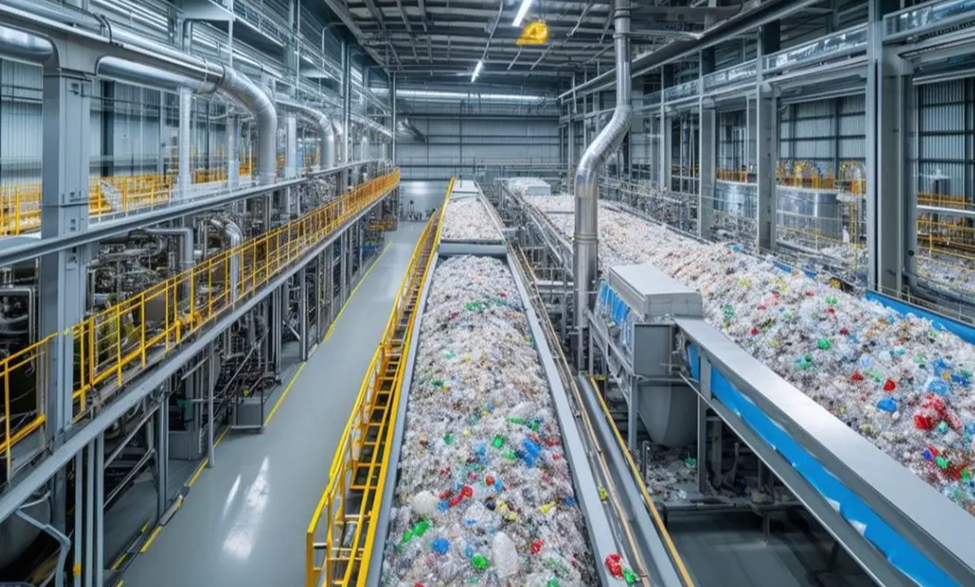
At the core of this development is a chemical process that leverages sulfuric acid recovered from used batteries to react with plastic materials, generating hydrogen gas. This approach differs significantly from conventional hydrogen production methods, such as steam methane reforming or water electrolysis.
Several aspects of the technology stand out:
Dual-input system
• Plastic waste serves as the primary material input
• Battery acid acts as a reactive medium, enabling the breakdown of polymers
Reduced dependence on conventional resources
• Lower reliance on high-purity water and renewable electricity
• Potential for reduced energy intensity compared to some established methods
Integrated environmental benefits
• Simultaneous treatment of hazardous waste and production of clean energy
• Potential reduction in landfill use and associated emissions
Importantly, this innovation should not be viewed as a replacement for existing hydrogen technologies. Instead, it represents a complementary pathway that contributes to a more diversified and resilient hydrogen ecosystem.
As hydrogen demand grows, particularly in industrial applications, the availability of multiple production routes will be essential for balancing cost, sustainability, and scalability considerations.
技术创新:复合型制氢路径
该项技术的核心是一套化学反应工艺:回收废旧电池中的硫酸,使其与塑料物料发生反应,进而制取氢气。该方式与蒸汽甲烷重整、水电解等传统制氢工艺存在显著差异。
这项技术具备多项突出优势:
双原料输入体系
• 以塑料废弃物作为主要原料
• 以废电池酸液作为反应介质,实现聚合物裂解分解
降低对传统资源的依赖
• 减少对高纯度水资源与可再生电力的消耗
• 相比部分成熟制氢工艺,具备降低能耗强度的潜力
复合环境效益
• 同步实现危险废弃物处置与清洁能源生产
• 有望减少垃圾填埋占地及相关碳排放排放
值得强调的是,该项技术创新并非要取代现有制氢技术,而是作为补充路径,助力构建更多元、抗风险能力更强的氢能产业生态。
随着工业领域等氢能需求持续增长,多元制氢路线的完善,对于平衡成本、可持续性与规模化发展至关重要。
Industrial Integration and Market Implications
The broader significance of this innovation lies in its potential to reshape industrial value chains through cross-sector integration. By linking waste management, chemical processing, and energy production, it introduces a new model for industrial collaboration.
Key implications include:
• Transformation of waste management systems
Facilities traditionally focused on disposal could evolve into resource recovery and energy production hubs, creating new revenue streams and reducing environmental burdens.
• New opportunities for the chemical sector
Chemical industries may play a central role in developing and scaling such processes, integrating recycling technologies with hydrogen production and enabling more closed-loop systems.
• Diversification of hydrogen supply
Waste-based hydrogen production could complement renewable and low-carbon hydrogen sources, enhancing supply security and reducing reliance on single production pathways.
• Cost and efficiency considerations
If successfully scaled, such systems may offer cost advantages by combining waste treatment with energy generation, although further validation is required.
At the same time, several challenges remain:
• The scalability of the technology at industrial level
• The need for supportive regulatory frameworks
• The development of standards for waste-derived hydrogen
• Investment models capable of supporting cross-sector integration
Addressing these challenges will be essential for translating technological potential into market reality.
产业融合与市场影响
这项技术创新的深层意义,在于可通过跨行业融合重塑产业链格局。它将固废治理、化工加工与能源生产相互衔接,构建了全新的产业协作模式。
核心影响
• 固废处理体系转型升级
传统以末端处置为主的处理设施,可转型为资源回收与能源生产枢纽,既能开辟新增收益渠道,又可减轻环境负荷。
• 为化工行业创造新机遇
化工产业可在该类工艺的研发与规模化落地中扮演核心角色,将再生利用技术与制氢业务深度融合,推动产业形成更完善的闭环循环体系。
• 氢能供应结构多元化
废弃物制氢可作为可再生氢能、低碳氢能的补充来源,提升氢能供应安全,降低对单一制氢路线的依赖。
• 成本与效益优化空间
若实现规模化应用,该模式兼具固废处置与能源产出双重功能,具备成本优势潜力,不过仍需进一步验证落地效果。
现存挑战
• 该项技术工业化规模化落地能力有待验证
• 亟需配套政策法规框架予以支持
• 需建立废弃物制氢相关行业标准
• 适配跨产业融合发展的投融资模式仍待完善
唯有攻克以上难点,才能将技术潜力真正转化为市场化落地成果。
EU–China Cooperation: Converging Priorities, Shared Opportunities
The relevance of this innovation is particularly pronounced in the context of EU–China cooperation. Both regions are advancing ambitious strategies that intersect with the principles underlying this development.
In the European Union, policy frameworks emphasize:
• Circular economy implementation
• Hydrogen strategy development
• Industrial decarbonization
In China, parallel efforts focus on:
• Resource efficiency and waste reduction
• Expansion of hydrogen technologies
• Industrial upgrading and low-carbon transition
This alignment creates a strong foundation for collaboration. Potential areas of engagement include:
• Joint research and development
Leveraging European technological expertise and China’s industrial scale to accelerate innovation
• Pilot and demonstration projects
Deploying waste-to-hydrogen systems in industrial parks, where integrated infrastructure can support testing and scaling
• Standards and certification
Developing shared frameworks for defining and verifying circular and low-carbon hydrogen
• Industrial partnerships
Facilitating collaboration between companies across value chains, from waste management to energy production.
Through such initiatives, EU–China cooperation can move beyond policy dialogue toward practical implementation of integrated decarbonisation solutions.
欧中合作:目标契合 机遇共享
这项创新技术在欧中合作背景下具备尤为突出的现实价值。欧盟与中国均在推行宏大绿色发展战略,且核心理念与该技术的发展逻辑高度契合。
欧盟政策重点
• 推进循环经济落地实施
• 布局发展氢能战略
• 推进工业全面脱碳
中国发展同向发力
• 提升资源利用效率、推进减量固废
• 规模化推广氢能相关技术
• 推动产业升级与低碳转型
双方发展诉求高度一致,为深化合作奠定坚实基础。潜在合作领域包括:
• 联合研发
依托欧洲技术研发优势与中国产业规模优势,加速技术迭代与落地应用。
• 试点示范项目
在产业园落地废固制氢系统,依托综合配套基础设施开展技术测试与规模化推广。
• 标准与认证互认
共建统一规则体系,对循环氢能、低碳氢能进行界定与资质核验。
• 产业伙伴合作
打通从固废处理到能源生产的全产业链,促进双方企业跨领域深度协作。
依托上述合作举措,欧中合作可从政策对话层面,进一步迈向一体化脱碳解决方案的务实落地。
Strategic Perspectives for Industrial Transformation
This development highlights several strategic directions that are likely to shape the next phase of industrial decarbonisation:
• System-level integration
Future industrial systems will increasingly connect energy, materials, and waste streams, moving toward holistic resource management
• Expansion of circular economy models
Circularity will evolve from recycling to high-value resource recovery and transformation, enabling new forms of industrial activity
• Resilience through diversification
A broader portfolio of hydrogen production technologies will enhance resilience in the face of supply and market uncertainties
• Policy and regulatory evolution
Governments will need to adapt frameworks to support cross-sector solutions, including incentives for circular innovation and waste utilisation
产业转型战略展望
此项技术发展凸显了或将引领下一阶段工业脱碳的几大战略方向:
• 系统级融合
未来工业体系将进一步打通能源、物料与废弃物流程,迈向全域一体化资源管理模式。
• 循环经济模式升级
循环经济将从基础回收利用,进阶至高价值资源回收与化学转化,催生全新产业业态。
• 多元布局增强韧性
丰富制氢技术路线矩阵,可提升行业应对供应波动与市场不确定性的抗风险能力。
• 政策与规制迭代完善
各国政府需优化制度框架,为跨行业综合解决方案提供支撑,包括出台激励政策扶持循环创新与废弃物资源化利用。
Outlook
The conversion of battery acid and plastic waste into hydrogen represents a notable step forward in aligning environmental management with clean energy production. More broadly, it illustrates how decarbonisation can be approached through systemic innovation, rather than isolated technological change.
As hydrogen continues to gain importance in global energy systems, solutions that integrate circular economy principles will play an increasingly significant role. By transforming waste into a resource, such approaches not only reduce environmental impacts but also create new opportunities for industrial value creation.
Looking ahead, the successful deployment of waste-based hydrogen technologies will depend on continued innovation, supportive policy frameworks, and cross-regional collaboration. In this regard, cooperation between Europe and China will remain critical in shaping scalable and sustainable pathways toward carbon neutrality.
展望
将废电池酸液与塑料废弃物转化为氢气,是环境治理与清洁能源生产深度融合的重要突破。从更广维度来看,这也表明脱碳转型可依靠系统性创新实现,而非局限于单一技术改良。
随着氢能在全球能源体系中的战略地位持续提升,融入循环经济理念的技术方案将发挥愈发重要的作用。此类废弃物资源化利用模式,既能降低环境影响,也为产业价值创造开辟了全新空间。
展望未来,废弃物制氢技术能否成功落地推广,取决于持续的技术创新、配套政策体系以及跨区域协同合作。在此背景下,中欧合作对于打造可规模化、可持续的碳中和发展路径,仍将起到至关重要的作用。
#HydrogenEconomy #氢能经济
#CircularEconomy #循环经济
#WasteToHydrogen #废制氢能
#CleanEnergyTransition #清洁能源转型
#Decarbonisation #脱碳
#EUChinaCooperation #中欧合作
#IndustrialInnovation #产业创新
#CarbonNeutrality #碳中和
 EN
EN