
What the New “Clean, Secure and Competitive Energy Union” Means for Europe, China and the Global Industry
全新 “清洁、安全、有竞争力能源联盟” 对欧洲、中国及全球产业意味着什么
Introduction
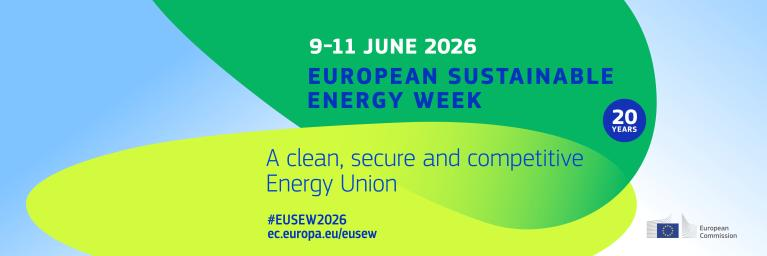
The EU Sustainable Energy Week (EUSEW 2026), held in Brussels from 9–13 June, marks a clear inflection point in European energy and industrial policy.
The most important message emerging from the discussions is not a new target or regulation, but a redefinition of the purpose of the energy transition itself.
Europe is no longer treating energy transition as a purely climate-driven agenda. It is repositioning it as a core instrument of industrial competitiveness, energy security, and geopolitical resilience.
The emerging framework is summarised in a new strategic formulation: “A Clean, Secure and Competitive Energy Union.”
This is not a slogan. It is a structural reordering of policy priorities that directly affects investment decisions, industrial strategy, and cross-border cooperation models.
For companies operating between China and Europe, this shift is critical: it changes how projects are evaluated, how partnerships are formed, and how market access is defined.
引言
6 月 9 日至 13 日于布鲁塞尔举办的 2026 欧洲可持续能源周(EUSEW 2026),标志着欧洲能源与工业政策迎来明确转折点。
多场讨论传递出的核心观点,并非出台全新减排目标或法规,而是对能源转型的核心内涵重新定义。
欧洲不再将能源转型单纯视为应对气候问题的议程,而是将其重新定位为提升产业竞争力、保障能源安全、增强地缘政治韧性的核心抓手。
全新战略纲领将这套政策框架概括为:“清洁、安全、具备竞争力的能源联盟”。
这并非一句宣传口号,而是对政策优先级进行结构性重构,将直接影响投资决策、产业布局以及跨境合作模式。
对于深耕中欧两地市场的企业而言,这一政策转向至关重要:它将改变项目评估标准、合作建立模式以及市场准入规则。
1. Policy Context: The End of Climate-Only Energy Policy
From environmental policy to industrial system design
The European Sustainable Energy Week is one of the EU’s most important policy dialogue platforms, bringing together policymakers, industry stakeholders, financial institutions, and civil society actors to discuss the direction of Europe’s energy transition.
In previous EUSEW editions, the dominant logic was: reduce emissions → deploy renewables → achieve climate neutrality.
In 2026, the logic has changed: strengthen competitiveness → secure energy system → deliver decarbonisation
This inversion is subtle but fundamental.
Energy policy is now embedded within:
• industrial strategy (Clean Industrial Deal logic),
• geopolitical resilience frameworks,
• supply chain security considerations,
• macroeconomic competitiveness objectives.
The new strategic triangle
EU policy is now structured around three interdependent constraints:
• Clean → decarbonisation remains mandatory
• Secure → energy sovereignty becomes non-negotiable
• Competitive → cost and industrial survival become decisive
For companies, this means one thing: decarbonisation alone is no longer sufficient. Solutions must also improve cost position and industrial resilience.
1.政策背景:单一气候导向能源政策时代落幕
从环境治理政策转向全产业体系顶层设计
欧洲可持续能源周是欧盟最重要的政策对话平台之一,汇聚政策制定者、产业相关方、金融机构与民间社会组织,共同探讨欧洲能源转型发展方向。
往届欧洲可持续能源周的核心逻辑始终是:减排降碳→推广可再生能源→实现气候中和。
2026 年,这套逻辑彻底反转:增强产业竞争力→保障能源体系稳定→推进脱碳进程。
这种逻辑转变看似细微,实则具有根本性意义。
如今能源政策已深度融入四大顶层框架:
• 产业发展战略(遵循《清洁产业协议》核心思路)
• 地缘政治风险抵御体系
• 产业链供应链安全考量
• 宏观经济竞争力发展目标
全新战略三角框架
当前欧盟政策围绕三大相互依存的核心目标搭建:
• 清洁:脱碳减排仍是硬性法定要求
• 安全:能源主权成为不可妥协的底线
• 有竞争力:成本控制与产业存续是决定性指标
对企业而言,这传递出明确信号:仅实现脱碳已不足以满足政策要求。各类能源解决方案还必须同步优化成本结构、提升产业抗风险能力。
2.What Is Actually Changing in EU Policy Logic
Shift 1: From targets to system performance
The EU is moving away from isolated climate targets toward system-level outcomes:
• energy price stability,
• industrial retention in Europe,
• grid resilience,
• technology sovereignty.
Shift 2: Competitiveness as a policy filter
Every energy decision is increasingly evaluated through a competitiveness lens:
• Does it reduce industrial energy costs?
• Does it strengthen EU supply chains?
• Does it reduce dependency on external actors?
Shift 3: Security embedded into energy transition
Energy transition is no longer separate from geopolitics:
• fossil fuel dependence is treated as strategic vulnerability,
• clean energy is treated as sovereignty infrastructure.
2.欧盟政策逻辑究竟发生了哪些转变
转变一:从单一减排目标转向整体系统效能
欧盟政策重心正脱离孤立的气候指标,转而追求能源体系层面的综合成效:
• 能源价格稳定
• 本土产业留存(防止制造业外流)
• 电网抗风险韧性
• 核心技术自主可控
转变二:将产业竞争力作为政策筛选标尺
所有能源相关决策,如今都会优先从竞争力维度进行评估:
• 能否降低工业用能成本?
• 能否强化欧盟本土产业链?
• 能否减少对外能源依赖?
转变三:能源安全深度嵌入能源转型进程
能源转型不再与地缘政治割裂看待:
• 化石能源对外依赖被视作战略薄弱点,
• 清洁能源被定义为保障能源主权的基础设施。
3.Implementation Priorities: What the EU is Actually Funding and Supporting
Across EUSEW discussions, a consistent implementation direction emerges.
A.Energy affordability as a hard constraint
A critical shift is visible: High energy prices are now treated as a structural risk to industrial survival.
Implications:
• support for cost-reduction technologies,
• pressure on fast deployment,
• prioritisation of scalable solutions over experimental ones.
B.Industrial electrification and efficiency
The EU is prioritising:
• electrification of industrial processes,
• large-scale efficiency upgrades,
• demand reduction strategies.
Energy efficiency is increasingly treated as: “the first fuel of the Energy Union.”
C.Faster permitting and deployment acceleration
Regulatory speed is becoming a competitiveness factor:
• faster approval processes,
• reduced administrative barriers,
• priority corridors for clean infrastructure.
D.SME integration into the energy transition
A key shift often underestimated: SMEs are now explicitly recognised as core implementation actors, not peripheral beneficiaries.
This includes:
• energy efficiency upgrades,
• digitalisation of energy systems,
• participation in clean technology deployment.
3.落地实施重点:欧盟实际出资扶持的方向
本次欧洲可持续能源周的各类讨论中,形成了统一的落地执行导向。
A. 能源可负担性成为硬性约束条件
政策出现关键转向:高昂能源价格现已被认定为威胁本土产业存续的结构性风险。
政策导向:
• 扶持各类降本增效技术;
• 推动清洁能源项目快速落地投产;
• 优先推广可规模化应用的成熟方案,而非尚在试验阶段的技术。
B. 工业电气化与能效提升
欧盟重点推进以下工作:
• 工业生产流程电气化改造;
• 大规模能效升级改造;
• 各类能源需求削减方案。
能源效率愈发被视作 “能源联盟的第一能源”。
C. 简化审批流程、加快项目落地速度
审批效率现已成为产业竞争力的重要一环:
• 压缩项目审批周期;
• 削减行政审批壁垒;
• 为清洁能源基建划定专属优先建设通道。
D. 推动中小企业深度参与能源转型
一项常被忽视的核心转变:中小企业被明确认定为能源转型的核心执行主体,而非边缘受益群体。
扶持范围包含:
• 企业能效升级改造;
• 能源体系数字化建设;
• 参与清洁能源技术落地推广。
4.Emerging Technology and Investment Priorities
A.Energy efficiency as the highest-ROI transition lever
Not new, but now central again:
• building renovation,
• industrial optimisation,
• system-wide demand reduction.
This is driven by one reality: Europe cannot solve competitiveness without reducing energy consumption.
B.Geothermal as strategic baseload energy
A notable shift in attention toward geothermal energy due to:
• stable 24/7 production,
• industrial heat applications,
• reduced import dependency,
• grid stability value.
This signals diversification beyond wind and solar dominance.
C.Regional energy systems: Mediterranean integration (T-MED)
The T-MED initiative reflects a broader strategy:
• integrate Mediterranean energy systems,
• expand renewable cooperation beyond EU borders,
• develop cross-border infrastructure corridors.
This is not only energy policy — it is regional industrial integration strategy.
4.新兴技术与投资重点
A. 能效提升:能源转型中回报率最高的抓手
能效提升并非全新概念,如今却重回政策核心位置,覆盖领域包括:
• 建筑节能改造;
• 工业流程优化;
• 全系统用能需求削减。
背后的现实逻辑十分明确:欧洲若不降低能源消耗,就无法重塑产业竞争力。
B. 地热能源:具备战略价值的基荷能源
地热能源受到空前重视,核心原因在于其具备以下优势:
• 可全天候稳定出力发电;
• 能够满足工业供热需求;
• 减少能源对外进口依赖;
• 具备稳定电网运行的价值。
这一趋势标志着欧洲能源供给格局开始多元化,不再单一依赖风能、太阳能。
C. 区域能源体系:地中海能源一体化(T-MED 计划)
T-MED 倡议承载着欧盟更宏大的战略布局:
• 打通地中海区域能源互联互通体系;
• 将可再生能源合作拓展至欧盟境外国家;
• 建设跨境能源基础设施通道。
该计划不只是一项能源政策,更是一套区域产业一体化发展战略。
5.What This Means for Companies
European companies
European industrial players are entering a new constraint environment:
• decarbonisation is mandatory,
• but cost competitiveness is equally critical,
• relocation risk is linked to energy price differentials.
This creates a dual pressure: “green transformation + survival in global competition”
Not EU companies
For industrial and technology companies out of the EU, this shift creates both opportunity and challenge.
Opportunities:
• strong demand for scalable decarbonisation technologies,
• industrial efficiency solutions,
• carbon management systems,
• infrastructure-level cooperation projects.
Constraints:
• increased scrutiny of strategic sectors,
• preference for localised value creation,
• integration requirements into EU industrial ecosystems.
The key issue is no longer access to technology, but: alignment with Europe’s industrial sovereignty logic.
Investors and project developers
Investment logic is shifting:
• from “green premium” to “industrial competitiveness return”,
• from policy-driven incentives to system-driven necessity,
• from standalone projects to integrated value chains.
5. 该政策转向对各类企业的影响
欧盟本土企业
欧洲工业企业正进入全新的约束环境:
• 脱碳减排属于硬性法定要求;
• 但成本竞争力同样至关重要;
• 能源价格差异将直接带来产业外迁风险。
企业由此面临双重压力:绿色转型 + 全球市场生存竞争。
非欧盟企业
对于欧盟境外的工业与科技企业,本次政策调整既蕴藏机遇,也带来合作挑战。
机遇:
• 市场对可规模化脱碳技术需求旺盛;
• 工业能效优化解决方案需求增长;
• 碳管理系统存在广阔市场空间;
• 跨境基础设施合作项目持续扩容。
约束条件:
• 欧盟对战略产业的审查力度加大;
• 政策倾向本土价值创造产能;
• 企业需融入欧盟本土产业生态体系。
核心矛盾已不再是技术获取门槛,而是:企业是否契合欧洲产业自主的战略逻辑。
投资者与项目开发商
投资逻辑正在发生根本性转变:
• 从追逐 “绿色溢价” 转向看重 “产业竞争力回报”;
• 投资驱动力从政策补贴激励,转变为能源体系刚需;
• 投资标的从独立单一项目,延伸至完整一体化产业链。
6.China–EU Cooperation: From Green Alignment to Strategic Calibration
The EUSEW 2026 signals a more complex cooperation landscape.
The new cooperation model emerging seems to be based on selective industrial cooperation under strategic constraints.
Priority cooperation areas:
• industrial decarbonisation systems,
• energy efficiency technologies,
• carbon measurement and compliance infrastructure,
• clean industrial equipment,
• urban and building transition systems.
Structural matters
The EU is simultaneously:
• open to decarbonisation technologies,
• but cautious about strategic dependency.
Cooperation is needed more than ever, but structurally more constrained.
6.中欧合作:从绿色理念共识迈向战略校准
2026 欧洲可持续能源周预示着中欧合作格局将变得更为复杂。
当下逐步成型的全新合作模式,核心是在战略约束框架下开展选择性产业合作。
优先合作领域
• 工业脱碳整套解决方案
• 能效提升技术
• 碳计量与合规配套体系
• 清洁工业装备
• 城市与建筑能源转型系统
结构性要素
欧盟当前持双重态度:
• 一方面对脱碳相关技术持开放接纳态度;
• 另一方面对形成战略层面依赖保持高度警惕。
双方如今比以往任何时候都更需要开展合作,但合作在机制层面受到更多限制。
7.Strategic Interpretation
The real shift: from climate transition to competitive decarbonisation.
The most important insight from EUSEW 2026 is not technological — it is conceptual.
Europe is no longer pursuing: decarbonisation as a climate objective.
It is pursuing: decarbonisation as a competitiveness requirement
This changes everything:
• policy design,
• funding priorities,
• industrial strategy,
• international cooperation logic.
What this means structurally
Energy transition is becoming:
• an industrial restructuring process,
• a geopolitical positioning tool,
• a macroeconomic competitiveness strategy.
7.战略层面解读
核心转变:从气候导向转型,转向竞争力导向脱碳
2026 欧洲可持续能源周带来的最关键启示无关技术,而是顶层理念的重塑。
欧洲不再将脱碳减排单纯作为一项气候目标去推进,
而是把脱碳视作保障产业竞争力的硬性要求。
这一理念转变将全方位重塑各类事务:
• 政策制定思路
• 资金扶持侧重方向
• 产业发展战略
• 国际合作底层逻辑
其带来的结构性深层影响
能源转型如今具备三重属性:
• 产业结构重塑进程
• 地缘政治布局工具
• 宏观经济竞争力发展战略
Outlook
EUSEW 2026 does not introduce a single breakthrough policy. Instead, it consolidates a new vision:
Energy transition is no longer an environmental project. It is an fundamental industrial strategy.
For companies operating in international ecosystems, this shift has immediate consequences:
• market access conditions are evolving,
• cooperation frameworks are becoming more selective,
• and competitiveness is now the central evaluation metric.
Understanding this transition is no longer optional. It is a prerequisite for strategic positioning in the European market.
Navigating this evolving landscape by translating policy shifts into actionable industrial strategy is a must. Companies should focus on identifying real cooperation opportunities, assessing regulatory and competitiveness risks, and supporting the design of cross-border partnerships aligned with the emerging logic of the European Energy Union.
展望
2026 欧洲可持续能源周并未推出任何突破性新政,而是整合确立了一套全新发展理念:能源转型不再只是一项环保工程,更是一项根本性产业战略。
对于深耕全球产业生态的企业而言,这一转变将带来立竿见影的影响:
• 市场准入规则正在持续调整;
• 合作框架的选择性不断增强;
• 产业竞争力已成为核心评判标准。
读懂这场转型不再是企业的可选功课,而是在欧洲市场进行战略布局的前置条件。
企业必须顺应格局变化,将政策导向转化为可落地的产业发展策略。企业应当重点挖掘切实可行的合作机遇,研判监管与竞争力层面的各类风险,并搭建契合欧盟能源联盟全新发展逻辑的跨境合作伙伴关系。
#EUSEW2026 #欧洲可持续能源周
#EnergyTransition #能源转型
#CleanIndustrialDeal #清洁能源
#EnergySecurity #能源安全
#EUPolicy #欧盟政策
#IndustrialCompetitiveness #产业竞争力
#NetZero #碳中和
#ChinaEU #中欧合作
#CleanEnergy #绿色转型
#SustainableDevelopment #可持续发展
 EN
EN