
Key Negotiation Progress, Climate Commitments and Emerging Priorities from Antalya
安塔利亚的谈判关键进展、气候承诺与新兴优先议题
1. Moving from Climate Commitments towards Practical Implementation
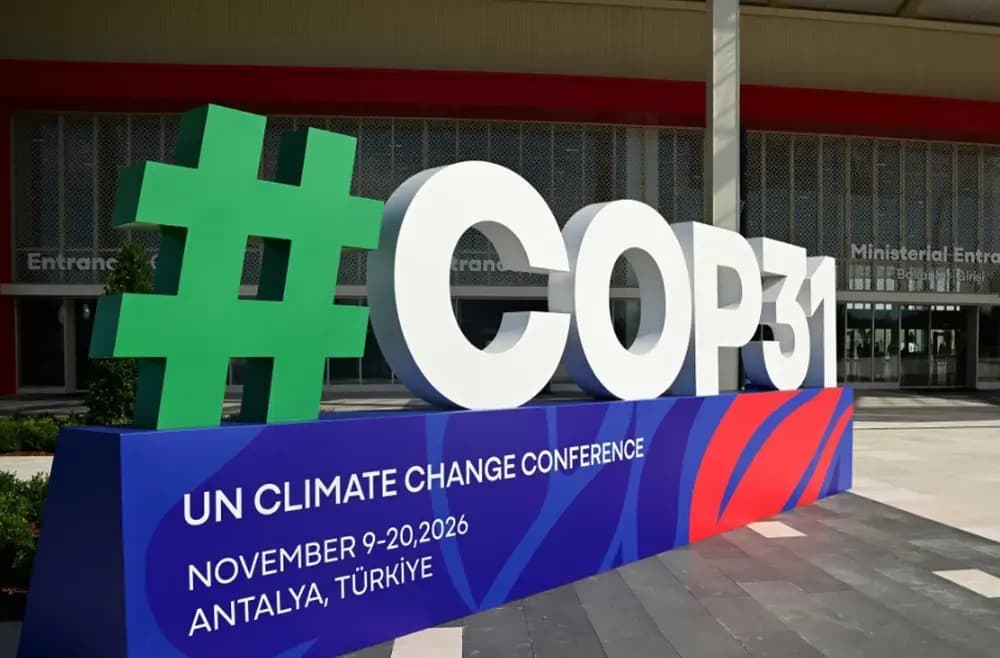
The United Nations Climate Change Conference (COP31), held in Antalya, Türkiye, from 9 to 20 November 2026, has focused on accelerating the implementation of existing climate commitments. Under Türkiye’s presidency and Australia’s leadership of negotiations, discussions have addressed the financial, technological and economic conditions needed to advance the global transition.
A central message is that climate action increasingly depends on countries’ ability to turn existing targets into practical measures, investment and measurable results.
With the world approaching the 1.5°C threshold under the Paris Agreement, discussions have linked faster emissions reductions with stronger resilience to climate risks.
Key priorities have included:
• Strengthening national climate commitments and emissions reduction.
• Mobilising finance for adaptation and resilience.
• Expanding renewable energy and energy efficiency.
• Accelerating industrial decarbonisation and innovation.
• Improving cooperation on climate finance and carbon markets.
• Supporting developing countries in implementing climate strategies.
By 9 November, 163 Parties had communicated new Nationally Determined Contributions (NDCs) for the next policy cycle.
The focus in Antalya has therefore been on translating national commitments into measurable economic and environmental progress.
1. 从气候承诺走向落地实践
2026 年 11 月 9 日至 20 日在土耳其安塔利亚举办的联合国气候变化大会(COP31),核心议题是加快落实已作出的气候承诺。在土耳其担任主席国、澳大利亚牵头谈判工作的背景下,各方围绕推进全球转型所需的资金、技术与经济条件展开磋商。
本次大会传递的核心信息:气候行动越来越取决于各国能否将既定目标转化为落地举措、投资安排以及可量化的成果。
全球距离《巴黎协定》设定的 1.5℃温控阈值越来越近,本次研讨将加快减排行动和提升气候风险韧性相结合。
重点方向包括:
• 强化各国气候承诺与减排行动
• 筹措资金用于适应气候变化、提升气候韧性
• 扩大可再生能源应用、提升能源利用效率
• 加快工业脱碳与技术创新
• 深化气候资金与碳市场领域合作
• 支持发展中国家落实气候战略
截至 11 月 9 日,已有 163 个缔约方提交了下一政策周期新的国家自主贡献(NDC)。
因此,安塔利亚大会的核心重心,是推动各国承诺转化为可衡量的经济与环境成效。
2. Climate Finance and Adaptation Become Central Negotiation Priorities
Climate finance has remained one of COP31’s most challenging issues. Developing countries have stressed the need for predictable, accessible and sufficient resources, particularly for communities exposed to extreme weather and other climate impacts.
A key development is the proposed Antalya-to-Addis Ababa Roadmap on Adaptation and Resilience Finance.
Included in the Presidency’s draft cover decision, the roadmap aims to identify predictable, scaled-up public finance for adaptation and loss and damage, alongside innovative sources and mechanisms to improve access. The draft proposes that the COP31 and COP32 Presidencies develop the roadmap, with a report for consideration at COP32 in 2027.
Negotiators have also considered how multilateral development banks and private capital can support climate investment.
The draft refers to a 21% annual increase in multilateral development bank climate finance and their ambition to provide USD 120 billion a year to low- and middle-income economies, while mobilising a further USD 65 billion in private capital.
Differences remain over developed countries’ responsibilities, the scale of adaptation finance and access to support.
Climate-related trade measures have also featured in discussions, reflecting the links between environmental regulation, competitiveness and economic cooperation. Finance is increasingly viewed as an enabler of resilient infrastructure and industrial transformation, not simply a funding commitment.
2. 气候资金与适应行动成为谈判核心重点
气候资金始终是 COP31 最难磋商的议题之一。发展中国家强调,需要可预期、易获取且充足的资金支持,尤其是面向受极端天气及其他气候影响的社群。
一项重要进展是《安塔利亚 — 亚的斯亚贝巴适应与韧性融资路线图》草案。 该路线图写入主席国决定草案,旨在为适应行动、损失与损害机制寻找稳定、扩容的公共资金,同时探索创新资金渠道与机制,提升资金可得性。草案提议由 COP31 与 COP32 主席国共同推进路线图编制,并在 2027 年 COP32 上提交报告供审议。
谈判代表同时探讨多边开发银行与社会资本如何助力气候投资。 草案提到,多边开发银行气候资金计划每年增长 21%,目标每年向中低收入经济体投放 1200 亿美元,并撬动额外 650 亿美元私人资本。
各方在发达国家责任、适应资金规模、援助获取渠道等方面仍存在分歧。
气候相关贸易措施也纳入讨论,体现环境规制、产业竞争力与经济合作之间的关联。资金越来越被视作韧性基建与产业转型的赋能工具,而不只是一项资金承诺。
3. Energy Transition and Electrification Gain Greater International Attention
Energy transition discussions have centred on renewable deployment, electrification and reducing reliance on high-emission energy systems.
The Presidency’s draft cover decision includes proposals to accelerate electrification. One proposal is to raise electricity’s share of global final energy consumption to 35% by 2035, taking national circumstances into account.
Electrification could reduce emissions in transport, buildings and industrial production.
Renewables and energy efficiency remain central priorities. These discussions build on the first Global Stocktake, which recognised the need to:
• Triple global renewable energy capacity by 2030.
• Double the annual rate of energy efficiency improvements by 2030.
• Transition away from fossil fuels in a just, orderly and equitable manner.
These goals provide an important reference for COP31.
However, fossil fuel policy remains sensitive, with countries differing on the language, pace and mechanisms for transition.
For industry, the discussions reinforce the role of renewable electricity, efficiency, low-carbon technologies and modernised infrastructure in decarbonisation.
3. 能源转型与电气化获得更高国际关注度
能源转型相关磋商聚焦可再生能源布局、电气化以及降低对高排放能源体系的依赖。
主席国决定草案包含加速电气化的相关提案,其中一项目标:在兼顾各国国情的前提下,到 2035 年将电力在全球终端能源消费中的占比提升至 35%。
电气化可助力交通、建筑和工业生产领域减排。
可再生能源与能效提升仍是核心重点。本次讨论延续首次全球盘点的结论,明确需要:
• 到 2030 年,全球可再生能源装机容量增至当前三倍;
• 到 2030 年,能效年提升速率翻番;
• 以公平、有序、公正的方式逐步摆脱化石能源依赖。
上述目标是 COP31 的重要参考依据。
但化石能源相关政策依旧敏感,各国对于转型的表述措辞、推进节奏与实施机制尚存分歧。
对于工业领域而言,本次磋商进一步明确了绿电、能效、低碳技术和基础设施升级在脱碳进程中的作用。
4. Industrial Decarbonisation and Green Infrastructure Receive Increased Attention
COP31 has also highlighted the need to transform energy-intensive industries and improve infrastructure sustainability.
Decarbonising manufacturing, construction, energy and transport will require technological upgrades and sustained investment.
The Antalya Green Industrialisation Compact was announced at the Leaders’ Summit on 11 November. It aims to strengthen international cooperation on industrial decarbonisation and more sustainable production systems.
Priority areas include:
• Improving industrial energy efficiency and reducing operational emissions.
• Deploying clean technologies and low-carbon production processes.
• Investing in sustainable infrastructure and green industry.
• Advancing resource efficiency and circular practices.
• Encouraging cooperation among governments, businesses and technology providers.
The built environment has also received considerable attention.
On 13 November, the Presidency announced progress on the Antalya Compact for Energy Efficient Buildings, alongside initiatives on sustainable construction, urban resilience and green industrialisation. Discussions also highlighted investment in resilient cities and better building performance.
These initiatives connect climate action with industrial competitiveness, infrastructure and economic transformation.
For energy-intensive companies, the transition involves more than emissions reporting: it requires technology investment, efficient production, supply-chain adaptation and the integration of low-carbon solutions.
4. 工业脱碳与绿色基础设施愈发受到关注
COP31 同时强调,高耗能行业转型以及提升基础设施可持续性的必要性。 制造业、建筑业、能源行业与交通领域的脱碳,离不开技术升级与持续投入。
11 月 11 日领导人峰会发布了《安塔利亚绿色工业化公约》,旨在加强工业脱碳、可持续生产体系方面的国际合作。
重点方向包括:
• 提升工业能效、降低运营碳排放
• 推广清洁技术与低碳生产工艺
• 投资可持续基础设施、绿色产业项目
• 推进资源高效利用与循环经济实践
• 推动政府、企业与技术服务商之间的合作
建成环境同样得到重点关注。 11 月 13 日,主席国发布《安塔利亚节能建筑公约》进展,同步推出可持续建筑、城市韧性、绿色工业化相关倡议。会议也强调对韧性城市、建筑性能优化的投入。
这些举措将气候行动和产业竞争力、基础设施建设、经济转型紧密结合。
对于高耗能企业而言,转型不只是碳排放数据上报,还需要技术投入、高效生产、供应链适配以及低碳方案落地应用。

5. Climate Adaptation and Resilience Move towards Practical Implementation
Adaptation has been another major COP31 priority, with discussions focusing on turning established plans into practical measures.
Negotiations have addressed National Adaptation Plans (NAPs), the Global Goal on Adaptation and support for vulnerable countries.
Key areas include:
• Building climate resilience in cities and infrastructure.
• Strengthening water management.
• Protecting communities from extreme weather.
• Developing climate-resilient agriculture.
• Improving access to adaptation finance and technical assistance.
The proposed Antalya-to-Addis Ababa Roadmap is relevant because it seeks to address financial barriers to adaptation.
Urban development is also central to resilience. Initiatives announced during the Leaders’ Summit and the conference have highlighted energy-efficient buildings, sustainable urban planning and resilient infrastructure investment.
Together, these priorities point to the integration of adaptation into economic development and infrastructure planning.
5. 气候适应与韧性建设走向落地实施
适应行动是 COP31 另一项核心议题,磋商重点在于将已有的规划转化为落地举措。
谈判围绕国家适应计划(NAPs)、全球适应目标,以及对脆弱国家的支持展开。
重点方向:
• 打造城市与基础设施的气候韧性
• 强化水资源管理
• 保护社群免受极端天气侵害
• 发展气候韧性农业
• 提升适应资金与技术支持的可获得性
前述《安塔利亚 — 亚的斯亚贝巴路线图》与此高度相关,该路线图旨在破解适应行动的资金壁垒。
城市发展也是韧性建设的核心。领导人峰会及大会期间发布的多项倡议,重点关注节能建筑、可持续城市规划以及韧性基础设施投资。
以上重点共同表明:气候适应需要融入经济发展与基础设施规划当中。
6. Carbon Markets and Article 6 Continue to Shape International Cooperation
International carbon markets have remained an important technical and policy issue.
Negotiations have continued on Article 6 of the Paris Agreement, which enables voluntary cooperation between countries in implementing climate commitments. Discussions cover cooperative approaches under Article 6.2 and the mechanism under Article 6.4.
These arrangements shape international carbon credit markets, transfers of mitigation outcomes and related accounting and governance.
Progress has been reported on several Article 6 agenda items, although technical work continues, including on guidance for the Article 6.4 Supervisory Body.
Maintaining environmental integrity, transparency and consistency remains essential.
For businesses and investors, these rules matter for carbon credit procurement, emissions strategies and the potential use of internationally transferred mitigation outcomes. Effective implementation requires clear methodologies, reliable verification and safeguards against double counting.
COP31’s discussions form part of the continuing development of international carbon market governance.
6. 碳市场与《巴黎协定》第六条持续引领国际合作
国际碳市场仍是重要的技术与政策议题。
各方继续围绕《巴黎协定》第六条开展磋商,该条款允许各国在落实气候承诺时开展自愿合作,讨论内容涵盖第 6.2 款下的合作方式以及第 6.4 款设立的机制。
这套规则框架影响国际碳信用市场、减排成果跨境转让,以及配套的核算与治理体系。
第六条多项议程取得进展,但相关技术工作仍在推进,包括为 6.4 款监督机构制定操作指引。
守住环境完整性、透明度与口径一致性是核心要求。
对于企业和投资方而言,这套规则关系到碳信用采购、减排策略以及跨境转让减排成果的运用。落地实施需要清晰的核算方法、可靠的核查机制,同时建立防范重复计算的保障措施。
COP31 的相关磋商,是国际碳市场治理体系持续完善进程中的一环。
7. Strategic Perspectives for International Climate Cooperation
COP31 highlights several directions for the next phase of climate action.
First, implementation capacity matters. Countries and industries must turn commitments into investment, infrastructure projects and measurable emissions reductions.
Second, finance and technology cooperation are interconnected. Access to capital, expertise and industrial capabilities will shape countries’ ability to deliver their climate strategies.
Third, industrial transformation is essential to climate neutrality. Efficiency, electrification, renewables, circular practices and advanced decarbonisation technologies will drive change.
Fourth, cooperation must recognise different development priorities. Debates on finance, just transition and adaptation underline the need to balance environmental goals with economic development and national circumstances.
7. 国际气候合作的战略展望
COP31 明确了下一阶段气候行动的若干重点方向。
第一,落地实施能力至关重要。各国与产业界需要将气候承诺转化为投资、基础设施项目以及可量化的减排成果。
第二,气候资金与技术合作密不可分。资金、专业知识、产业能力的可得性,决定各国能否落地气候战略。
第三,产业转型是实现碳中和的关键。能效提升、电气化、可再生能源、循环实践以及前沿脱碳技术是转型的核心驱动力。
第四,合作需要兼顾差异化发展诉求。围绕资金、公正转型与气候适应的讨论,凸显要在环境目标、经济发展和国情之间寻求平衡。
Outlook
COP31 has drawn attention to the practical challenges of meeting global climate objectives. Progress on finance, energy transition, industrial decarbonisation, adaptation and carbon markets demonstrates the breadth of cooperation required.
However, remaining differences show that consensus must be backed by credible implementation, predictable finance and effective institutional cooperation.
The longer-term task is to translate political commitments into progress across economies, industries and communities.
For China and Europe, cooperation on sustainable technologies, investment, industrial transformation and climate governance can contribute to the transition to carbon neutrality.
展望
COP31 聚焦全球气候目标落地面临的现实挑战。气候资金、能源转型、工业脱碳、气候适应以及碳市场方面取得的进展,体现了所需合作议题的广度。
但各方尚存分歧,这说明共识需要依托可信的落地举措、可预期的资金以及高效的机制合作作为支撑。
长期任务在于,把政治层面的承诺转化为各经济体、产业与社会层面实实在在的进展。
对于中欧双方而言,在低碳技术、投融资、产业转型与气候治理领域开展合作,将助力碳中和转型。
#COP31#《联合国气候变化框架公约》第 31 次缔约方大会
#ClimateAction #气候行动
#ClimateFinance #气候融资
#EnergyTransition #能源转型
#IndustrialDecarbonisation #产业脱碳
#CarbonNeutrality #碳中和
#ChinaEuropeCooperation #中欧合作
#SustainableDevelopment #可持续发展
 EN