
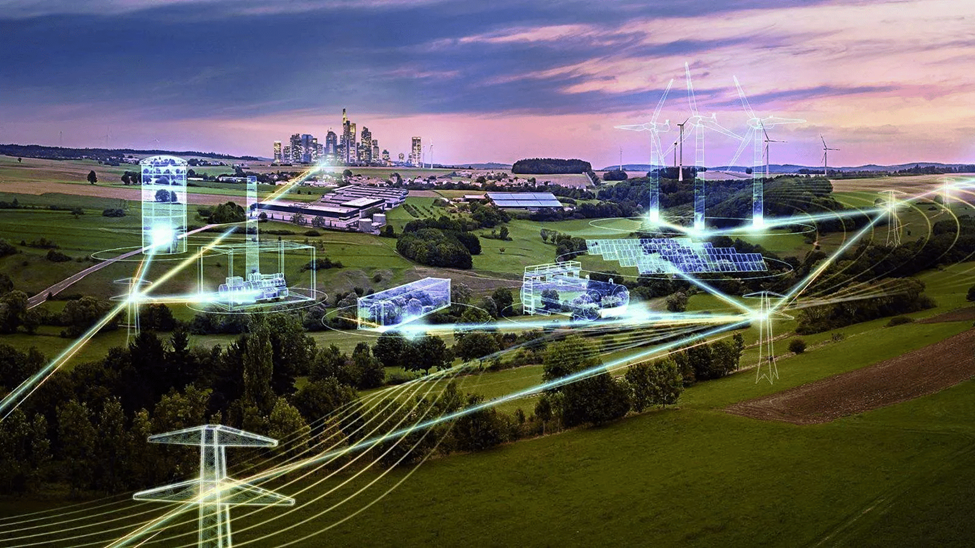
China’s new “Artificial Intelligence + Energy” roadmap signals the next phase of industrial decarbonization and intelligent infrastructure development
中国新版人工智能和能源路线图标志着产业低碳转型和智能基础建设迈入下一个阶段
Context
The global energy transition is entering a new phase. While the past decade focused primarily on expanding renewable energy capacity and reducing carbon emissions, the next stage will increasingly depend on how intelligently energy systems can operate in real time.
In this context, artificial intelligence is rapidly becoming one of the most strategic technologies shaping the future of the global energy industry.
China’s latest policy direction clearly reflects this transformation. In September 2025, China’s National Development and Reform Commission and the National Energy Administration jointly released the Implementation Opinions on Promoting the High-Quality Development of “Artificial Intelligence + Energy”. The document provides the country’s first comprehensive national framework for integrating AI technologies across the entire energy value chain.
Rather than treating AI simply as a digital support tool, the initiative positions intelligent technologies as a core operational layer of future energy infrastructure. It signals that China’s energy transition is moving beyond capacity expansion toward system-wide intelligent optimization.
The policy also reflects a broader industrial reality: the future competitiveness of energy systems will no longer depend solely on generation capacity or access to resources, but increasingly on data management, intelligent coordination, predictive capabilities, and digital resilience.
背景介绍
全球能源转型正迈入全新阶段。过去十年,行业发展重心主要集中在扩大可再生能源装机规模与推进碳减排工作,而下一阶段的发展将愈发依托能源系统的实时智能化运行能力。
在此背景下,人工智能正迅速成为重塑全球能源行业未来格局最具战略价值的核心技术之一。
中国最新出台的政策导向,清晰印证了这一发展变革。2025 年 9 月,国家发展改革委、国家能源局联合印发《关于推动 “人工智能 + 能源” 高质量发展的实施意见》。这份文件首次构建起国家级全体系规划框架,推动人工智能技术深度融入能源全产业链。
该政策并未将人工智能单纯视作数字化辅助工具,而是将智能技术定位为未来能源基础设施的核心运行层级。这也意味着,中国能源转型已告别单纯的规模扩张阶段,全面迈向全系统智能优化新阶段。
此项政策同时折射出产业深层发展趋势:未来能源体系的核心竞争力,不再仅取决于发电装机规模与能源资源储备,而是愈发取决于数据管控能力、智能协同水平、预测研判能力及数字抗风险韧性。
Renewable Growth Is Increasing System Complexity
China has already established itself as the world’s largest renewable energy market. According to data from the National Energy Administration, renewable energy additions in 2025 reached 452 GW, representing 83% of newly installed national power capacity. Wind and solar installations have now exceeded thermal power capacity for the first time in China’s history. While this rapid growth significantly supports China’s Dual Carbon goals, it also introduces major operational challenges for the energy system.
Unlike conventional power generation, renewable energy sources are inherently variable and weather-dependent. As renewable penetration increases, balancing electricity supply and demand becomes far more complex. Grid systems must respond dynamically to fluctuations in generation, changing consumption patterns, storage availability, and climate-related disruptions.
This is precisely where AI is expected to play a transformative role.
China’s implementation plan emphasizes the use of artificial intelligence to improve forecasting, dispatching, predictive maintenance, operational efficiency, and energy system resilience. The policy outlines targets for the development of energy-specific AI models, large-scale demonstration projects, intelligent power system applications, and industry-wide technical standards.
By 2030, China aims to achieve globally leading AI technologies and applications within the energy sector.
The significance of this objective goes far beyond digitalization. It represents a structural redesign of how future energy systems may function.
可再生能源扩容加剧系统运行复杂度
中国已然稳居全球最大可再生能源市场地位。据国家能源局数据显示,2025 年我国可再生能源新增装机达 452 吉瓦,占全国新增电力装机总量的 83%。我国风电、光伏装机规模历史上首次超越火电装机规模。这一高速发展有力支撑我国双碳目标落地,却也给能源系统运行带来巨大挑战。
传统发电模式与新能源发电截然不同,可再生能源发电具有天然波动性,且高度依赖气象条件。随着新能源并网占比持续提升,电力供需平衡调度难度大幅攀升。电网需实时应对发电量波动、用电负荷变化、储能调配能力及气候灾害带来的各类扰动。
而人工智能正是破解这一难题、实现行业变革的核心抓手。
我国出台的实施方案明确提出,依托人工智能优化电力负荷预测、电网调度、设备预知性运维,全面提升运行效率与能源系统抗风险能力。政策同步划定发展目标,着力研发能源领域专属人工智能模型、打造规模化示范项目、落地智能电力系统应用,并建立全行业统一技术标准。
我国计划到 2030 年,实现能源领域人工智能技术与应用水平跻身全球前列。
这一发展目标的深远意义远超单纯数字化升级,更是对未来能源系统运行架构的系统性重构。
Intelligent Power Systems Are Becoming the New Industrial Foundation
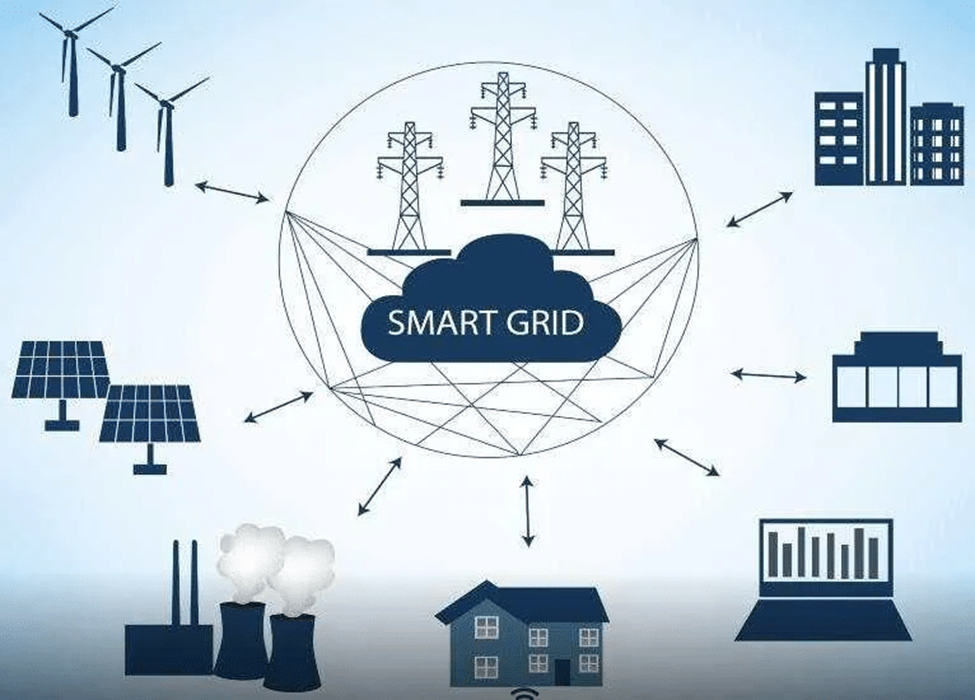
One of the most important aspects of the policy is its focus on intelligent grid systems.
As energy systems evolve toward distributed renewable generation, traditional centralized grid structures are becoming increasingly difficult to manage efficiently through conventional operational methods alone. Modern energy infrastructure now requires real-time coordination between renewable generation, storage facilities, industrial consumption, distributed assets, and electricity markets.
Artificial intelligence offers the ability to process massive quantities of operational data simultaneously, enabling faster forecasting, automated dispatch optimization, and predictive system management.
China’s roadmap highlights applications including intelligent grid diagnostics, renewable energy prediction, multi-scale simulation systems, integrated dispatch management, and intelligent emergency-response capabilities.
These developments closely align with Europe’s own transition toward smart energy systems under the European Green Deal and broader industrial digitalization strategies.
In practice, the convergence of AI and energy infrastructure may reshape several sectors simultaneously:
• Utilities and grid operators;
• Industrial manufacturing;
• Smart cities;
• Transport electrification;
• Building management systems;
• Industrial parks;
• Energy-intensive supply chains.
The transition therefore extends beyond the energy sector itself. Intelligent energy systems are gradually becoming foundational infrastructure for the wider digital economy.
智能电力系统构筑全新产业根基
此项政策的核心着力点之一,便是着力发展智能电网体系。
随着能源体系逐步向分布式可再生能源发电模式转型,仅依靠传统运维方式,已难以高效管控旧式集中式电网架构。如今的现代能源基建,亟需实现新能源发电端、储能设施、工业用电负荷、分布式能源资产以及电力市场之间的实时协同联动。
人工智能可同步处理海量运行数据,助力实现精准预判、调度自动优化与系统预判式管控。
我国出台的发展路线图重点布局多项应用场景,涵盖电网智能诊断、可再生能源出力预测、多尺度仿真系统、一体化调度管控以及智能应急响应能力建设。
这一发展方向,与欧盟依托《欧洲绿色协议》推进智慧能源体系转型、落实全域产业数字化战略的发展思路高度契合。
事实上,人工智能与能源基建深度融合,将同步赋能诸多领域变革:
• 电力企业与电网运营行业
• 工业制造业
• 智慧城市建设
• 交通电动化发展
• 楼宇智慧管控系统
• 工业园区
• 高耗能产业链
由此可见,这场变革早已突破能源行业单一范畴,智慧能源系统正逐步成为数字经济发展的底层核心基础设施。
Energy Storage and Flexibility Markets Enter a New Phase
The rapid expansion of renewable energy is also accelerating demand for advanced storage systems.
China has already significantly increased investments in new-type storage infrastructure and pumped hydro projects. According to recent National Energy Administration data, North China alone has commissioned 285 new storage stations with a combined installed capacity of nearly 14.5 GW.
As storage systems expand, AI is expected to become critical for operational optimization.
Future intelligent storage platforms may increasingly rely on AI for:
• Dynamic charging and discharging optimization;
• Electricity price forecasting;
• Battery health diagnostics;
• Lifecycle management;
• Demand-response coordination;
• Virtual power plant integration;
• Microgrid balancing.
These technologies are especially important for high-renewable systems, where flexibility and rapid balancing capabilities become essential to maintaining grid stability.
At the same time, intelligent storage systems are likely to create new industrial opportunities for advanced equipment manufacturers, software developers, automation providers, and digital infrastructure companies.
This trend is highly relevant for both Chinese and European industries, particularly as both sides accelerate investment into resilient low-carbon infrastructure.
储能与电力灵活性市场迈入发展新阶段
可再生能源装机规模快速扩容,也进一步催生了新型储能系统的旺盛需求。
我国已大幅加大新型储能基础设施与抽水蓄能项目建设投入。据国家能源局最新数据,仅华北地区就已建成投运 285 座新型储能电站,总装机容量接近 14.5 吉瓦。
随着储能产业规模持续壮大,人工智能将成为其运行优化的核心支撑。
未来智慧储能平台将依托人工智能实现多项核心功能:
• 充放电动态优化调控
• 电价走势精准预测
• 电池健康状态诊断
• 全生命周期运维管理
• 需求侧响应协同调度
• 虚拟电厂并网融合
• 微电网供需平衡调控
在高比例新能源电力体系中,这类技术尤为关键。灵活调节能力与快速供需平衡能力,是保障电网平稳运行的必备条件。
与此同时,智慧储能体系还将为高端装备制造企业、软件服务商、自动化解决方案供应商及数字基建企业开辟全新产业赛道。
当前中欧双方均在加码布局高韧性低碳基础设施,这一发展趋势对两地相关产业均具备重要借鉴与合作价值。
AI Is Reshaping Industrial Decarbonization
Beyond grid systems and storage, AI is increasingly becoming an important tool for industrial decarbonization itself.
Heavy industries, industrial parks, logistics systems, and manufacturing facilities are all under growing pressure to improve energy efficiency, reduce emissions, and strengthen ESG compliance capabilities.
In this context, AI-enabled systems can help companies optimize operational performance, improve energy management, monitor emissions, and strengthen reporting transparency.
This is particularly relevant as international regulatory frameworks continue to evolve.
The expansion of mechanisms such as:
• CBAM;
• CSRD;
• ESG disclosure requirements;
• Scope 3 emissions reporting;
• Climate-risk assessments
is pushing companies toward increasingly data-intensive sustainability management systems.
China’s new AI-energy strategy therefore intersects directly with global industrial sustainability trends.
The integration of intelligent technologies into carbon accounting, lifecycle assessment, energy efficiency management, and supply-chain optimization may become one of the most important industrial developments of the next decade.
人工智能重塑产业脱碳格局
除电网与储能领域外,人工智能正日渐成为推进产业脱碳的重要抓手。
重工业、产业园区、物流体系及制造工厂均面临日益严苛的要求,亟需提升能源利用效率、削减碳排放,并强化环境、社会及治理合规能力。
在此背景下,智能化系统可助力企业优化生产运营、完善能源管控、实时监测碳排放数据,同时提升信息披露透明度。
随着全球各类行业监管规则持续更新完善,该应用价值愈发凸显。
当下多项国际机制不断落地推行:
• 欧盟碳边境调节机制
• 企业可持续发展报告指令
• 环境社会治理信息披露要求
• 范围三碳排放核算上报
• 气候风险评估
各类规则倒逼企业搭建以海量数据为支撑的可持续发展管理体系。
由此可见,中国全新的人工智能 + 能源发展战略,与全球产业绿色低碳发展大势高度契合。
将智能技术融入碳核算、全生命周期评估、能效管控及产业链优化领域,或将成为未来十年最核心的产业发展方向之一。
New Cooperation Opportunities
The evolution toward intelligent energy systems creates significant potential for deeper China–EU cooperation.
Europe and China continue to advance policies and scaling AI and manufacturing development.
These parallel transitions create multiple areas of strategic overlap.
Through cooperation with international industrial partners as Eni, ABB, Siemens, Merck and Akila, CNEUCN also supports knowledge exchange and practical collaboration in areas such as electrification, intelligent automation, industrial efficiency, and sustainable infrastructure development.
As a platform connecting European and Chinese stakeholders in decarbonization and industrial transformation, CNEUCN continues to promote collaboration across sustainability, smart infrastructure, industrial innovation, ESG systems, and energy transition solutions.
全新合作机遇
智能能源体系的逐步建成,为中欧深化合作开辟了广阔空间。
中欧双方均持续出台相关政策,大力推进人工智能产业化落地与制造业转型升级。
双方同步推进的产业转型进程,形成了诸多战略契合点。
中欧绿色能源合作联盟联合埃尼集团、ABB、西门子、默克、阿基拉等国际产业合作伙伴,在能源电气化、智能自动化、产业能效提升、可持续基础设施建设等领域,积极推动技术经验交流与务实项目合作。
作为联结中欧低碳发展与产业转型各界主体的合作平台,仲欧脱碳科技(CNEUCN)持续助力双方在绿色可持续发展、智慧基建建设、产业技术创新、ESG 管理体系搭建及能源转型解决方案研发等领域开展深度协作。
Outlook
The next phase of global decarbonization will not be defined solely by renewable deployment targets.
It will increasingly depend on whether energy systems can become more adaptive, more predictive, more interconnected, more resilient and more intelligent. China’s new “Artificial Intelligence + Energy” roadmap demonstrates that AI is now being integrated directly into long-term national energy strategy.
This transformation is likely to influence not only future energy infrastructure, but also industrial competitiveness, urban development, manufacturing systems, and international sustainability cooperation.
For companies, industrial parks, infrastructure developers, technology providers, and policymakers across both China and Europe, the convergence of AI and energy may become one of the defining industrial shifts of the coming decade.
展望
全球下一阶段的低碳转型,不再仅以可再生能源装机建设目标为核心衡量标准。
行业发展将愈发取决于能源体系能否具备更强的适配调节能力、预判研判能力、互联互通能力、抗风险韧性与智能化水平。中国出台的新版 “人工智能 + 能源” 发展路线图,标志着人工智能已正式纳入国家能源长期发展战略体系。
这场变革不仅将重塑未来能源基础设施格局,还将深刻影响产业核心竞争力、城市建设布局、工业生产体系以及全球可持续发展领域的国际合作。
对于中欧两地的企业、产业园区、基建投资方、技术服务商及政策制定者而言,人工智能与能源产业深度融合,或将成为未来十年极具代表性的产业变革趋势。
#AI #人工智能
#EnergyTransition #能源转型
#CarbonNeutrality #碳中和
#SmartGrid #智能电网
#IndustrialTransformation #产业转型
#ESG #环境、社会及治理
#ChinaEU #中欧合作
#DigitalEnergy #数字能源
 EN
EN