
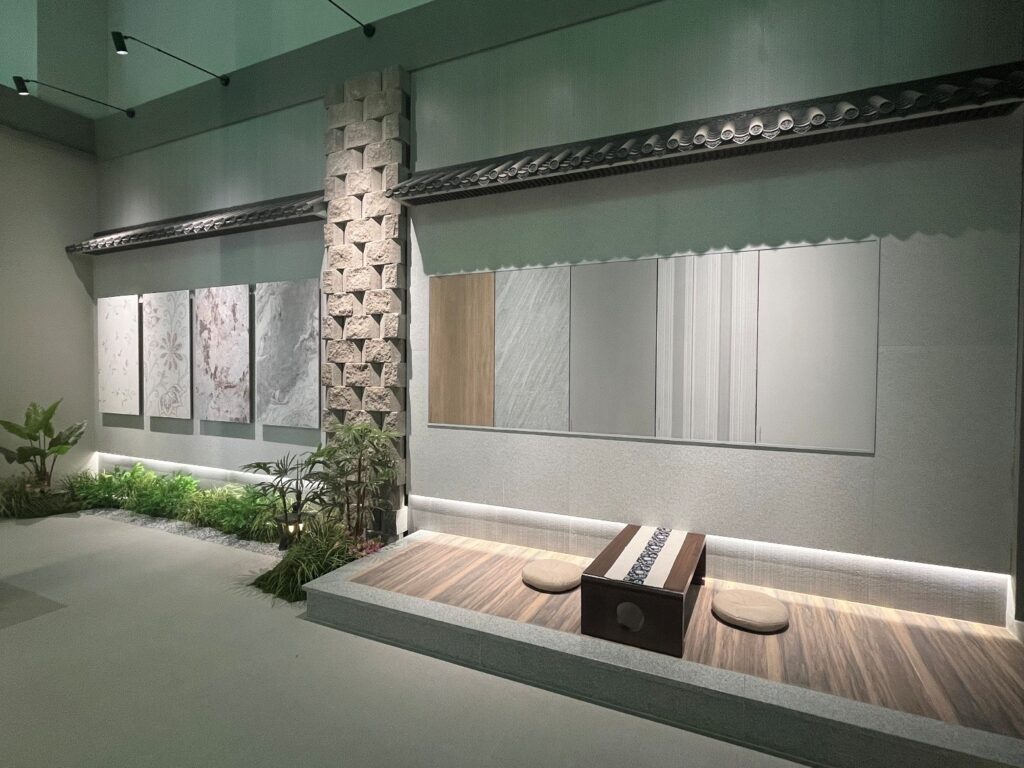
From waste-to-material systems to low-carbon building solutions, the construction sector is rapidly evolving into the central battlefield of global carbon neutrality
从废弃物资源化系统到低碳建筑解决方案,建筑行业正迅速成为全球碳中和的核心战场
Context
The global decarbonization agenda is entering a new phase. While the past decade has been largely defined by the transition toward renewable energy and electrification, a deeper and more complex transformation is now underway—one that directly targets the material foundations of modern economies. At the center of this shift lies the construction sector.
Accounting for nearly 40% of global carbon emissions when considering both operational and embodied carbon, construction represents not only one of the largest challenges in the climate transition, but also one of the most significant opportunities. Increasingly, the sector is moving beyond incremental efficiency improvements toward a systemic reconfiguration based on circularity, waste valorization, and low-carbon material innovation.
Recent developments across leading industrial players and large-scale projects demonstrate that circular construction is no longer a conceptual ambition. It is becoming an industrial reality—driven by technological advancements, regulatory pressure, and the urgent need to redefine resource efficiency at scale.
背景概述
全球脱碳进程正迈入全新阶段。过去十年,转型主线以发展可再生能源与电气化为核心;如今一场更深入、更复杂的变革已然开启,直指现代经济的物质基础。而建筑业正处于这场变革的核心位置。
若同时计入运营碳排放与隐含碳排放,建筑业碳排放占全球总量近 40%。它既是气候转型面临的最大挑战之一,也蕴藏着极具价值的转型机遇。行业正逐步告别小修小补的能效优化模式,转向以循环经济、废弃物价值化、低碳材料创新为核心的系统性重构。
头部工业企业与大型项目的最新实践表明:循环建造已不再是理念层面的构想,而是正在落地的产业现实。技术进步、政策监管压力,以及大规模提升资源利用效率的迫切需求,正共同推动循环建造走向产业化落地。
Circular Construction: From Waste Management to Industrial Strategy
Traditionally, waste management and construction have been treated as separate domains. However, emerging models are now integrating these two systems into a unified industrial framework, where waste is no longer a liability but a strategic resource.
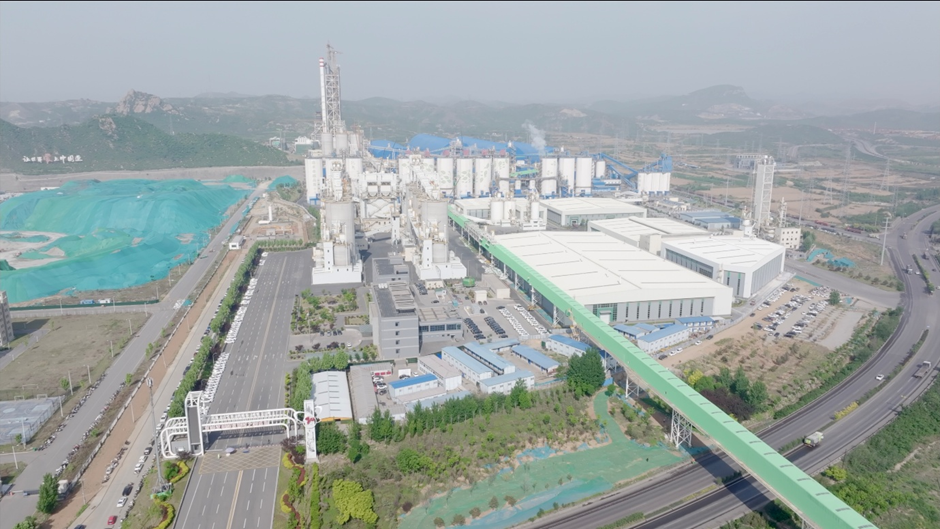
A prominent example of this transformation is the large-scale integrated project developed by Sinoma International Engineering in Wu’an. The Sinoma CDI Wu’an waste, cement and steel treatment recycling plant represents a comprehensive model of circular construction at industrial scale.
The project is designed around the large-scale utilization of industrial solid waste, including steel slag and mining residues, with a total processing capacity of approximately 13 million tons per year. At its core, the system integrates multiple advanced processes:
• Steel slag treatment and grinding systems, using large-scale vertical mills (CRM6304), capable of processing over 210 tons per hour with optimized energy consumption (around 42 kWh/t)
• Integrated metal recovery, where iron is continuously separated during crushing and grinding processes, improving material purity and reducing waste
• Cement kiln co-processing systems, enabling the simultaneous treatment of municipal solid waste and industrial residues
• Advanced pretreatment systems, including crushing, screening, and air separation, conducted in enclosed and controlled environments to minimize environmental impact
This model illustrates a fundamental shift: construction materials are no longer extracted and processed in isolation, but increasingly derived from existing waste streams through integrated industrial ecosystems.
循环建造:从废弃物管理上升为产业战略
传统模式下,废弃物治理与建筑行业一直被视作彼此割裂的领域。而当下新兴模式正将两大体系融合为统一产业架构,废弃物不再是负担,而是战略性资源。
这场转型的典型代表,是中材国际在武安打造的大型一体化项目。中材 CDI 武安固废钢渣资源化循环利用项目,是产业化规模下循环建造的标杆范本。
项目以钢渣、矿渣等工业固废规模化利用为核心设计,年处理规模约1300 万吨。整套系统集成多项先进工艺:
• 钢渣处理及粉磨系统:配置 CRM6304 大型立磨,时处理能力超 210 吨,单位能耗优化至约 42 千瓦时 / 吨
• 一体化金属回收:破碎、粉磨过程中连续分选含铁物料,提升原料纯度、减少固废排放
• 水泥窑协同处置系统:可同步处理城市生活垃圾与各类工业废渣
• 高端预处理系统:破碎、筛分、风选全流程密闭可控作业,最大限度降低环境影响
该模式标志着底层逻辑的根本转变:建筑原材料不再依赖单独开采与加工,而是越来越多地通过一体化产业生态,从既有废弃物料流中再生获取。
Waste-to-Material Innovation: Redefining Resource Efficiency
One of the most critical aspects of circular construction is the ability to transform heterogeneous waste streams into standardized, high-performance building materials. The Wu’an project provides a clear demonstration of how this transformation can be achieved across multiple material categories.
For instance, construction waste, steel slag, and coal gangue are processed into a wide range of end products, including:
• structural blocks and prefabricated components
• permeable bricks and urban infrastructure materials
• ceramic panels and high-value architectural finishes
Notably, some of these products are manufactured using up to 100% solid waste inputs, representing a significant breakthrough in resource efficiency.
In parallel, the project includes advanced pilot and industrial-scale systems for the treatment of coal gangue—a major by-product of the mining industry. Through an integrated suspension calcination process, the material is transformed into high-quality inputs for ceramics, glass-fiber, and supplementary cementitious materials. The process achieves high levels of decarbonization, with controlled combustion and energy recovery systems ensuring both efficiency and environmental compliance.
This approach demonstrates how circular construction is not limited to recycling, but extends to material upgrading and value creation, enabling waste streams to re-enter the economy as competitive industrial inputs.
废弃物资源化创新:重新定义资源利用效率
循环建造最核心的价值之一,是能够把种类繁杂的废弃物料流,转化为标准化、高性能的建筑材料。武安项目清晰示范了如何对多类物料实现这一资源化转化。
例如,建筑垃圾、钢渣、煤矸石经加工后,可制成多种终端产品:
• 结构砌块与预制构件
• 透水砖及城市基建用材
• 陶瓷板材与高端建筑装饰饰面
值得关注的是,部分产品可实现固废掺用比例 100%,在资源高效利用领域实现重大突破。
与此同时,项目配套建设了煤矸石先进中试及产业化处理系统。煤矸石是煤炭开采行业的主要副产物,通过悬浮煅烧一体化工艺,可转化为陶瓷、玻璃纤维、水泥掺合料的优质原料。整套工艺脱碳成效显著,辅以可控燃烧与能源回收系统,兼顾能效提升与环保合规要求。
这一模式印证:循环建造不再局限于简单回收再利用,而是延伸至物料提质升级与价值再造,让各类废弃物料以具备市场竞争力的工业原料身份,重新回流至经济产业链。
Industrial Symbiosis and System Integration
The evolution toward circular construction is closely linked to the concept of industrial symbiosis, where different sectors—such as construction, steel, energy, and waste management—are interconnected within a shared value chain.
The Wu’an project exemplifies this integration through its multi-layered system design:
• Municipal waste is collected, pretreated, and co-processed in cement kilns
• Industrial by-products from steel production are transformed into construction materials
• Thermal energy generated during processing is partially recovered and reused
• Emissions are controlled through advanced systems including denitrification and desulfurization technologies
This level of integration reflects a broader trend across the industry, where infrastructure is increasingly designed as multi-functional platforms rather than single-purpose facilities.
产业共生与系统集成
循环建造的发展演进,与产业共生理念密切相关:建筑、钢铁、能源、固废治理等不同行业,在同一价值链中互联互通、协同发展。
武安项目通过多层次系统设计,完美诠释了这种产业融合模式:
• 城市生活垃圾经收集、预处理后,送入水泥窑协同处置
• 钢铁行业工业副产物转化为建筑用材
• 处理过程产生的热能实现部分回收再利用
• 依托脱硝、脱硫等先进环保系统实现废气排放管控
这种高度集成模式,折射出行业整体发展趋势:基础设施正从单一功能设施,逐步转型为多功能综合平台。
Comprehensive solutions provider for low-carbon construction ecosystems
In parallel to the large-scale industrial systems emerging in China, European industrial leaders are advancing complementary circular construction strategies that reinforce the global shift toward material decarbonization. A relevant example is the approach developed by Saint-Gobain, which is progressively repositioning itself from a traditional building materials producer to an integrated solutions provider for low-carbon construction ecosystems.
• A central pillar of this transformation is the company’s increasing focus on circularity in high-growth and high-impact material streams, including the recycling of photovoltaic panels. As solar installations reach end-of-life across Europe, Saint-Gobain is exploring industrial pathways to recover glass, silicon, and metal fractions, enabling their reintegration into new construction materials and industrial applications. This initiative directly addresses one of the emerging waste challenges linked to the energy transition, while reinforcing the broader objective of closing material loops within the built environment.
• In meantime, Saint-Gobain is significantly expanding its portfolio of low-carbon construction materials, particularly in insulation, glass, and gypsum-based solutions. These materials are designed to reduce embodied carbon across the building lifecycle, combining energy efficiency performance with reduced emissions during production. The focus is not limited to incremental improvement but extends to systemic redesign of production processes, including increased use of recycled inputs, renewable energy integration in manufacturing, and optimization of thermal performance in building envelopes.
• Another strategic direction is the development of prefabricated timber-based construction systems, which align with both circularity and carbon storage principles. Through engineered wood solutions and hybrid systems, Saint-Gobain is contributing to the acceleration of off-site construction models that reduce waste, shorten construction timelines, and lower overall lifecycle emissions. These systems also facilitate higher precision in material use, supporting a shift from on-site linear construction processes toward controlled industrialized production environments.
低碳建筑生态系统综合解决方案服务商
在中国大型产业化体系蓬勃发展的同时,欧洲头部工业企业也在推进互补型循环建造战略,共同助力全球建材脱碳转型。圣戈班就是典型代表:企业正逐步从传统建材生产商,转型为低碳建筑生态系统一体化解决方案服务商。
• 此次转型的核心支柱,是圣戈班加大对高增长、高价值物料流的循环化布局,其中就包括光伏组件回收。随着欧洲大批光伏设施进入退役周期,圣戈班正在探索产业化路径,对玻璃、硅料及金属组分进行回收,使其重新融入新型建筑材料与工业应用场景。该举措直面能源转型衍生的新兴固废难题,同时助力建筑领域实现物料闭环循环的宏观目标。
• 与此同时,圣戈班正大幅扩充低碳建材产品矩阵,重点布局保温材料、玻璃制品及石膏基建材体系。这类产品从建筑全生命周期角度削减隐含碳排放,兼顾节能使用性能与生产环节减排。企业不止局限于渐进式优化,更对生产流程进行系统性重构:加大再生原料使用比例、生产端接入可再生能源、优化建筑围护结构的热工性能。
• 另一大战略方向是预制木结构建筑体系研发,契合循环经济与碳封存双重理念。通过工程木建材及复合结构系统,圣戈班助力装配式建造模式提速普及,实现固废减量、缩短工期、降低全生命周期碳排放。该体系还能提升物料使用精度,推动传统现场粗放式线性建造,向标准化、可控化的工业化生产模式转型。
Energy, Materials, and the Next Phase of Decarbonization
A key implication of these developments is the convergence between energy systems and material systems. While previous decarbonization efforts have focused primarily on reducing emissions from energy use, the next phase will increasingly address the carbon intensity embedded in materials.
Processes such as cement production, steel manufacturing, and ceramics are inherently energy-intensive and difficult to decarbonize. Circular construction offers a pathway to mitigate these emissions by:
• reducing the need for virgin raw materials
• lowering process energy requirements through alternative feedstocks
• enabling the reuse of existing materials with lower carbon footprints
In the case of the Wu’an project, the use of dry processing technologies and optimized grinding systems contributes to significant energy savings, while the integration of waste heat recovery further enhances overall efficiency.
These solutions align with broader industry trends toward electrification, hydrogen integration, and digital optimization, as promoted by global technology providers. However, the critical difference lies in the systemic nature of circular construction, which addresses both energy and materials simultaneously.
能源、材料与脱碳新阶段
上述发展态势带来的核心启示,是能源系统与材料系统正在深度融合。过往脱碳行动主要聚焦降低用能环节的碳排放,而下一阶段将愈发着力解决材料本身的碳强度问题。
水泥、钢铁、陶瓷等生产工艺本身属于高耗能行业,脱碳难度极大。
而循环建造为减排提供了可行路径,主要通过以下方式实现:
• 减少对原生原材料的开采与使用
• 采用替代原料,降低生产工艺能耗
• 推动既有建材再生利用,选用低碳足迹物料
以武安项目为例,采用干法工艺与优化粉磨系统实现大幅节能,同时配套余热回收系统,进一步提升整体能效水平。
这类解决方案契合全球科技企业倡导的电气化、氢能应用、数字化优化等行业大趋势。
而循环建造的关键独特性在于系统性逻辑:可同时兼顾能源降耗与材料低碳化两大维度。
Strategic Perspectives for Industrial Transformation
The rapid development of circular construction systems in China presents significant opportunities for collaboration with European stakeholders. While China leads in terms of scale and implementation speed, Europe remains at the forefront of regulatory frameworks, sustainability standards, material recycling and advanced material R&D.
This complementarity creates a strong foundation for cooperation in areas such as:
• technology transfer and joint development of low-carbon materials
• standardization and certification of recycled construction products
• investment in circular infrastructure projects
• integration of ESG frameworks into industrial operations
产业转型的战略展望
中国循环建造体系的快速发展,为中欧相关各方合作带来重大机遇。中国在产业规模与落地执行速度上具备领先优势,而欧洲在政策监管框架、可持续发展标准、建材循环利用及高端材料研发方面仍处于前沿地位。
这种互补优势为以下领域的合作奠定了坚实基础:
• 低碳建材的技术转移与联合研发
• 再生建筑产品的标准化与认证体系共建
• 循环经济基础设施项目投资合作
• 将 ESG 体系融入企业日常生产运营
Outlook
Circular construction is rapidly moving from the margins of the sustainability agenda to its very core. As the global economy seeks to reconcile growth with environmental constraints, the ability to transform waste into valuable resources will become a defining factor of industrial competitiveness.
The €10 trillion opportunity associated with this transition is not merely a projection of market size, but an indication of the scale of transformation required. It encompasses not only new materials and technologies, but also new business models, supply chains, and forms of collaboration.
Projects such as the Sinoma CDI Wu’an recycling plant demonstrate that this transformation is already underway. By integrating waste management, material production, and energy systems into a cohesive industrial framework, they provide a blueprint for the future of construction.
Meanwhile European industry is converging toward a material-centric decarbonization pathway, where recycling, bio-based materials, and industrial efficiency are increasingly integrated into a unified strategy.
In combination with large-scale circular infrastructure models emerging in China, they highlight the growing potential for China–EU cooperation in building a globally interoperable circular construction ecosystem.
For CNEUCN, this evolving landscape represents both a strategic priority and a significant opportunity in enabling the transition toward a truly circular and low-carbon built environment.
展望
循环建造正从可持续发展议程的边缘领域,迅速走向核心位置。在全球经济寻求平衡增长与环境约束的当下,将废弃物转化为高价值资源的能力,将成为产业竞争力的决定性因素。
这场转型蕴藏10 万亿欧元市场机遇,这不仅是市场规模的预测,更代表行业变革所需的体量级别。其覆盖范围不仅包括新型材料与技术,还包含全新商业模式、供应链体系及各类协作机制。
中材 CDI 武安资源化利用工厂等标杆项目,已然印证这场产业变革正在落地推进。项目将固废治理、材料生产与能源系统整合为统一产业体系,为建筑业未来发展提供了范本蓝图。
与此同时,欧洲产业正迈向以材料为核心的脱碳路径,把再生循环、生物基材料与产业能效提升,逐步融入一体化发展战略。
结合中国涌现的大规模循环基建模式,充分凸显中欧在共建全球互通的循环建造生态体系上,具备巨大合作潜力。
对于 CNEUCN 而言,行业格局的演进既是战略重点方向,也是重大机遇,助力全球迈向真正循环、低碳的建筑人居环境。
#CircularConstruction #循环建筑
#LowCarbonMaterials #低碳材料
#IndustrialDecarbonization #工业脱碳
#WasteToValue #固废资源化
#SustainableInfrastructure #可持续基础设施
#CarbonNeutrality #碳中和
#ESGTransformation #ESG转型
#ChinaEUCooperation #中欧合作
 EN
EN