
Why China’s Integrated Cement–Hydrogen–CCUS Model Signals a Structural Shift in Global Industry
为何中国水泥 – 氢能 – 碳捕集利用与封存一体化模式,预示全球产业迎来结构性转型
Policy and Industrial Context – The limits of incremental decarbonization
For more than a decade, industrial decarbonization strategies have largely focused on incremental efficiency improvements and the gradual substitution of energy sources. While these approaches have delivered measurable progress, they are no longer sufficient for sectors such as cement, where emissions are deeply embedded not only in energy consumption, but in the chemical processes themselves.
Cement production alone accounts for approximately 7–8% of global CO₂ emissions, with a significant share originating from process emissions that cannot be eliminated through electrification alone.
This structural constraint has led to a growing recognition across both policy and industrial domains:
decarbonization in heavy industry cannot be achieved through isolated interventions — it requires system-level redesign.
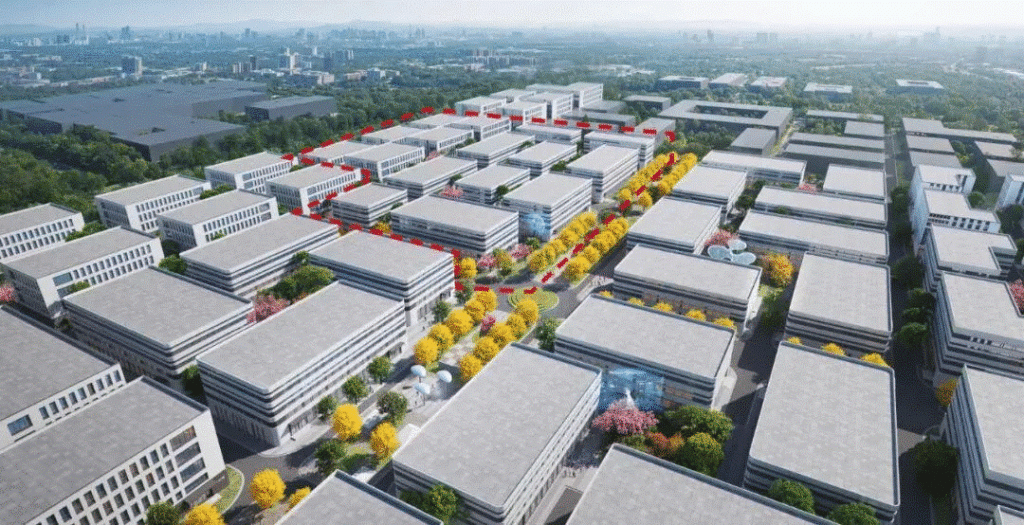
Within this context, a new model is emerging, particularly in China, where industrial ecosystems are being reconfigured around the integration of cement production, hydrogen systems, and carbon capture infrastructures.
政策与产业背景——渐进式脱碳局限
十余年来,工业脱碳策略大多聚焦于渐进式能效提升与能源结构逐步替代。此类举措虽取得了可观成效,但已难以满足水泥等行业的降碳需求 —— 该行业的碳排放不仅源自能源消耗,更根植于生产本身的化工反应流程之中。
仅水泥产业碳排放就约占全球二氧化碳总排放量的 7% 至 8%,其中绝大部分为工艺过程性碳排放,仅靠电气化转型无法彻底消除。
这一结构性发展瓶颈,让政策制定层与工业界逐步达成共识:
重工业脱碳无法依靠零散单点措施实现,必须开展全体系顶层重构。
在此背景下,一套全新发展模式应运而生,尤以中国最为典型:国内正重塑工业产业生态,搭建起水泥生产、氢能体系、碳捕集设施三位一体的融合发展新格局。
Emerging Industrial Shift – From single plants to integrated industrial systems
The most important shift is not technological, but architectural.
Instead of treating cement plants as standalone production units, new models are based on industrial integration and co-location, combining:
• cement production facilities,
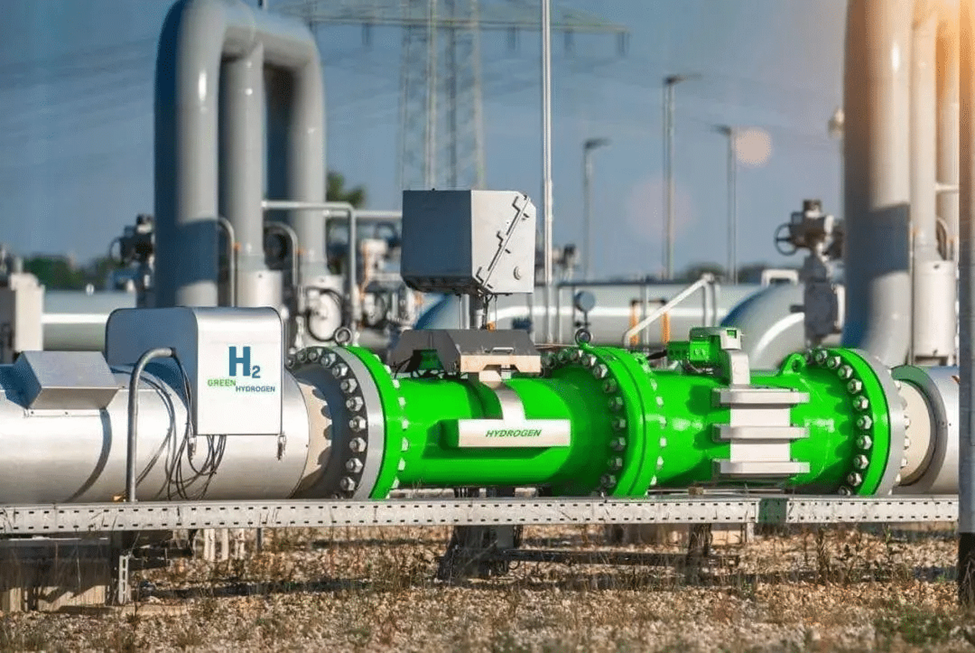
• green hydrogen generation (via renewable-powered electrolysis),
• carbon capture, utilization, and storage (CCUS) systems,
• shared energy and resource infrastructure.
This approach reflects a fundamental transition:
• From traditional Model to Emerging Model
• From Isolated industrial plant to Integrated industrial cluster
• From Emissions as externality to Carbon as managed flow
• From Energy as input to Energy as system component
In this new configuration, cement plants are no longer simply emitters — they become nodes within a broader carbon-energy network.
产业新兴变革——从单一工厂到一体化工业系统
最核心的变革并非技术层面,而是体系架构层面。
新模式不再将水泥厂视作独立生产单元,而是依托产业融合与空间集群布局,统筹整合以下板块:
• 水泥生产设施
• 绿氢制备(可再生能源电解制氢)
• 碳捕集、利用与封存(CCUS)系统
• 共享能源与资源配套基础设施
这一思路标志着根本性转型:
• 从传统模式转向新型发展模式
• 从孤立单体工厂转向一体化产业集群
• 从把碳排放视作外部负担,转为将碳视作可统筹调配的流动资源
• 从把能源当作单一生产原料,转为将能源纳入整体系统组成部分
在全新布局之下,水泥厂不再只是单纯的碳排放主体,而是成为更广域碳 — 能源网络中的重
Technology and System Integration – Why co-location changes the economics
One of the main barriers to deploying technologies such as CCUS and green hydrogen has been cost.
Individually:
• CCUS requires expensive capture, transport, and storage infrastructure
• hydrogen requires large-scale renewable energy input and distribution systems
However, when integrated within the same industrial cluster, several cost barriers are significantly reduced:
1. Infrastructure optimization
CO₂ does not need to be transported over long distances — capture, utilization, and storage can be locally integrated.
2. Energy system efficiency
Hydrogen production can be directly linked to industrial energy demand, reducing transmission losses and improving load balancing.
3. Shared capital investment
Large-scale facilities can serve multiple industrial processes, improving utilization rates and reducing unit costs.
4. Process integration
Captured CO₂ can be reused in adjacent industrial processes, including chemical production or material applications.
The result is a shift from high-cost standalone solutions to economically viable integrated systems
技术与系统融合——产业集聚为何重塑经济
推广碳捕集利用与封存、绿氢等技术,成本高昂一直是主要阻碍。
单独落地层面:
• 碳捕集利用与封存技术,需投入高额资金建设捕集、输送及封存配套设施
• 氢能产业则依赖大规模可再生能源供给与完善的输配体系
而将二者整合布局于同一产业集群内,可大幅破除多项成本壁垒:
1. 基础设施优化
二氧化碳无需长途转运,捕集、利用与封存环节可实现本地化统筹配套。
2. 能源系统提效
制氢产能可直接对接工业用能需求,减少能源输送损耗,优化负荷调配。
3. 共建分摊基建投入
大型配套设施可服务多类工业生产流程,提升设备利用率,压低单位生产成本。
4. 生产流程融合复用
捕集所得二氧化碳可就近回用至化工生产、新材料制备等上下游产业环节。
最终实现发展模式转变:告别高成本单一独立方案,打造具备经济可行性的一体化产业体系。
Industrial and Market Implications – Redefining competitiveness
This integrated model has direct implications for industrial competitiveness.
Companies and regions that adopt system-level integration can:
• reduce the marginal cost of decarbonization,
• increase resilience to carbon pricing and regulatory pressure,
• secure access to low-carbon energy and materials,
• position themselves within future carbon-managed value chains.
At the same time, this model raises barriers to entry:
• higher upfront capital requirements,
• need for cross-sector coordination,
• dependence on infrastructure and policy alignment.
This suggests that the competitive landscape in heavy industry may increasingly shift from firm-level efficiency to ecosystem-level integration.
产业与市场影响:重塑核心竞争力
这套一体化发展模式将直接深刻影响产业竞争格局。
率先推行体系化整合布局的企业与地区,可实现:
• 降低脱碳边际成本
• 增强应对碳定价与行业监管压力的抗风险能力
• 稳定获取低碳能源与低碳原材料
• 提前布局未来碳管控型产业链赛道
与此同时,该模式也抬高了行业准入门槛:
• 前期基建资金投入门槛更高
• 亟需跨产业协同联动能力
• 高度依赖配套基建完善度与政策协同力度
这也意味着,重工业领域的竞争逻辑正逐步转变:竞争重心从企业单体能效比拼,转向产业生态全域融合能力的较量。
China–EU Dynamics – Complementarity at system level
The development of integrated cement–hydrogen–CCUS systems highlights a critical dynamic between China and Europe.
China’s strengths include:
• large-scale industrial clusters,
• rapid infrastructure deployment,
• growing investments in hydrogen and CCUS,
• centralized industrial planning capacity.
The European Union contributes:
• advanced regulatory frameworks (including carbon pricing),
• strong ESG and sustainability standards,
• experience in cross-border infrastructure coordination,
• technological innovation in low-carbon processes.
This creates a clear opportunity: not competition on individual technologies, but alignment on integrated industrial systems.
Potential areas of cooperation include:
• development of shared standards for hydrogen and CCUS integration,
• joint pilot projects in industrial clusters,
• harmonization of carbon accounting methodologies,
• coordinated investment frameworks.
中欧合作格局:体系层面优势互补
水泥 — 氢能 — 碳捕集一体化体系的发展,凸显出中欧之间至关重要的合作态势。
中国优势
• 体量庞大的产业集群
• 基础设施落地建设高效迅速
• 氢能与碳捕集领域投资持续加码
• 具备统筹统筹产业布局的规划能力
欧盟优势
• 成熟完善的监管体系(含碳定价机制)
• 严苛完备的环境、社会及治理准则与可持续发展标准
• 跨境基建协同统筹经验丰富
• 低碳生产工艺领域技术研发实力突出
由此催生全新合作机遇:双方无需在单项技术领域展开竞争,而是携手推动一体化工业体系协同共建。
潜在合作方向
• 联合制定氢能与碳捕集融合应用通用标准
• 共建产业集群低碳试点示范项目
• 统一碳核算统计方法体系
• 搭建协同联动的投资合作机制
Strategic Interpretation – Industrial geography is being reshaped
One of the least discussed, but most important consequences of this model is its impact on industrial geography.
If cement plants evolve into energy-carbon hubs, their location will increasingly depend on:
• access to renewable energy,
• proximity to CO₂ storage sites,
• integration with hydrogen infrastructure,
• connectivity to industrial demand centers.
This could lead to:
• relocation or restructuring of industrial clusters,
• emergence of new “carbon management corridors”,
• redefinition of strategic industrial regions.
In this context, decarbonization is no longer a constraint — it becomes a driver of industrial reorganization.
战略解读:产业地理格局正在重塑
这套模式有一项少被提及却意义重大的深远影响,即对产业地理布局的重塑作用。
一旦水泥厂转型为能源 — 碳枢纽,其选址布局将愈发依托以下条件:
• 可再生能源供给条件
• 临近二氧化碳封存场地
• 可对接氢能配套设施
• 连通产业需求核心区域
由此或将催生诸多变革:
• 产业集群重新选址与结构重组
• 新型 “碳管理产业廊道” 逐步兴起
• 战略性工业区域重新划定
在此趋势下,脱碳不再是发展束缚,反而成为产业格局重构的核心驱动力。
Outlook – From pilots to industrial standard
While still at an early stage, the trajectory of integrated cement–hydrogen–CCUS systems is increasingly clear.
Scaling will depend on:
• continued reduction in renewable energy costs,
• expansion of hydrogen infrastructure,
• development of CO₂ transport and storage networks,
• policy frameworks that support integrated solutions rather than isolated technologies.
As these conditions converge, this model has the potential to move from experimental deployments to core industrial architecture.
At CNEUCN, we recognize that achieving carbon neutrality requires moving beyond sector-specific solutions toward integrated industrial strategies. The convergence of cement production, hydrogen systems, and CCUS illustrates how decarbonization is evolving into a system design challenge — one that requires coordination across technologies, industries, and geographies.
展望:从试点示范走向行业通用标准
水泥 – 氢能 – 碳捕集一体化体系目前虽仍处于发展初期,但其发展路径已日趋明朗。
规模化推广有赖于以下条件成熟:
• 可再生能源成本持续下行
• 氢能配套基础设施持续完善扩容
• 二氧化碳输送与封存管网逐步建成
• 出台扶持一体化整体方案、而非单一技术的政策体系
待各项条件齐备,该模式有望从试验性落地项目,升级成为工业领域主流核心架构。
CNEUCN认为,实现碳中和不能仅依靠单一行业零散举措,必须转向全域一体化产业统筹策略。水泥生产、氢能体系与碳捕集技术的深度融合,充分印证脱碳已然演变为一项系统性架构设计难题,亟需实现技术、产业、地域多维度协同统筹。
#IndustrialSystems #产业体系重构
#CementDecarbonization #水泥行业脱碳
#CCUS #碳捕集利用与封存
#GreenHydrogen #绿色氢能
#IndustrialTransformation #产业转型升级
#EnergyTransition #能源转型
#ChinaEUCooperation #中欧产业合作
#CarbonNeutrality #碳中和
 EN
EN