
Integrating Environmental Stability into Investment Decision – Making Implications for Asset Owners, Financial Institutions, and Sustainable Investment Cooperation
将环境稳定性纳入投资决策 — 对资产所有者、金融机构及可持续投资合作的启示
Introduction
Recent events have made it unmistakably clear: nature risk is financial risk. Environmental instability—from climate change to biodiversity loss—has direct consequences for global asset values, credit ratings, and economic resilience. Long-term asset owners, such as sovereign wealth funds and pension managers, are now taking generational perspectives on investments, recognizing that the financial system cannot remain detached from planetary boundaries.
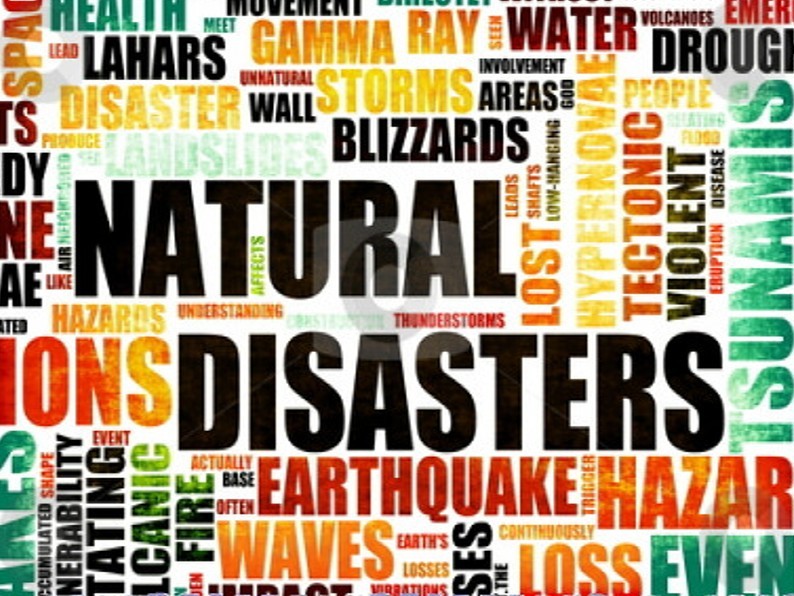
Historical examples highlight the urgent need for early environmental risk recognition. In the 2004 Southeast Asia tsunami, elephants displayed early warning responses that humans largely failed to detect, demonstrating nature’s predictive signals. Today, however, the scale and complexity of planetary warming, environmental degradation, and climate-related hazards threaten every sector of the global economy, challenging traditional investment practices.
Today, long-term asset owners are increasingly confirming that financial resilience and environmental stability are inseparable. Investors must account for climate-related shocks, biodiversity loss, and natural-resource scarcity to safeguard asset value and ensure intergenerational returns. Awareness of environmental risks is no longer optional—it is integral to strategic financial decision-making.
引言
近期发生的种种事件已清晰无误地表明:自然风险即金融风险。从气候变化到生物多样性丧失,环境不稳定对全球资产价值、信用评级和经济韧性均产生直接影响。主权财富基金、养老金管理机构等长期资产所有者,正以代际长远视角开展投资,认识到金融体系无法脱离地球生态边界独立存在。
历史案例凸显了尽早识别环境风险的迫切必要性。2004 年东南亚海啸中,大象展现出人类大多未能察觉的预警反应,印证了自然界存在的预测性信号。而如今,全球变暖、环境退化及相关气候灾害的规模与复杂性已危及全球经济各个领域,对传统投资模式构成挑战。
当下,长期资产所有者愈发认同金融韧性与环境稳定密不可分。投资者必须将气候冲击、生物多样性丧失与自然资源稀缺性纳入考量,以维护资产价值、确保代际收益。对环境风险的关注已不再是可选项,而是战略性金融决策中不可或缺的组成部分。
The Financial Imperative of Nature Risk
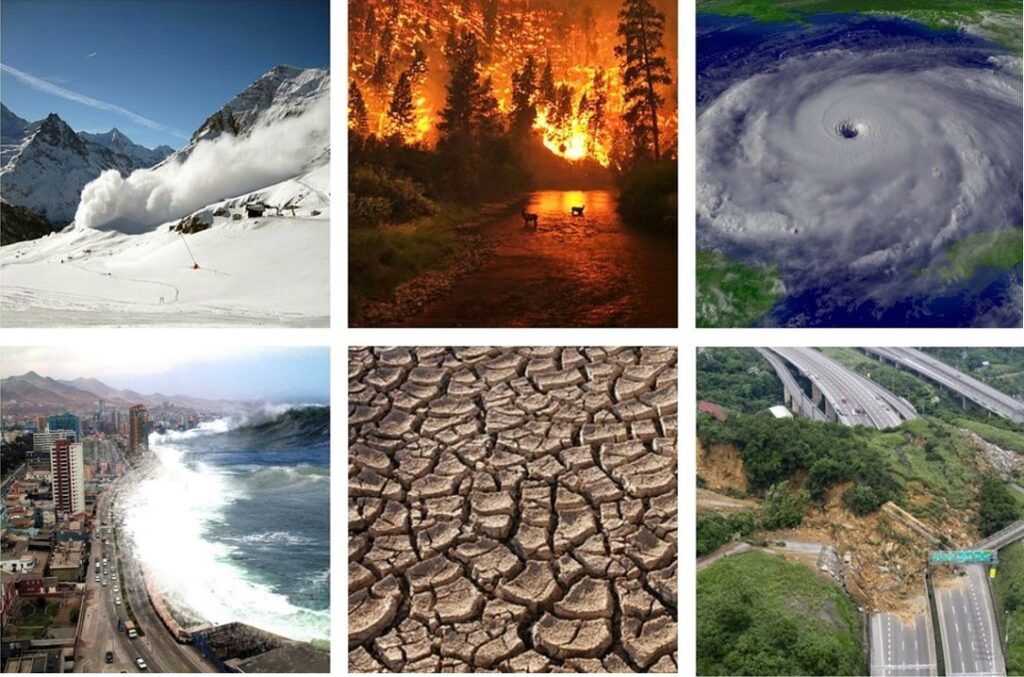
Nature-related risks are no longer abstract or distant threats. Extreme weather events, declining biodiversity, water stress, and resource scarcity are already disrupting markets:
• Agricultural losses
Floods in Pakistan devastated crops and livelihoods, pushing the country close to sovereign default. In Indonesia, unsustainable palm-oil production damaged peatlands, prompting temporary export restrictions. Brazil and Ethiopia faced declining coffee yields due to erratic rainfall, impacting global prices.
• Industrial and consumer impacts
Droughts in the United States reduce crop yields from Arkansas to Oklahoma, forcing farmers to invest in deeper wells and switch crops, while hurricanes and wildfires drive insurers to raise premiums or limit coverage.
• European market effects
Olive oil in Italy and Greece, wine grapes in France, Italy, and Spain, timber in Central and Northern Europe, and fishing and transport along the Mediterranean and Rhine–Danube corridors are increasingly vulnerable.
Yet, most financial models remain insufficiently sensitive to natural-capital risk, due to fragmented data, lack of standardized metrics, and complex systemic interconnections across sectors and geographies. Without proactive evaluation, investors risk stranded assets, declining returns, and exposure to cascading economic shocks.
自然风险的金融必要性
自然相关风险已不再是抽象或遥远的威胁。极端天气事件、生物多样性锐减、水资源紧张及资源稀缺,正在对市场造成实质性冲击:
• 农业损失
巴基斯坦洪灾摧毁了农作物与民生生计,使该国濒临主权债务违约。在印度尼西亚,不可持续的棕榈油生产破坏了泥炭地,导致该国出台临时出口限制措施。巴西和埃塞俄比亚因降雨异常导致咖啡减产,进而影响全球咖啡价格。
• 工业与消费领域影响
美国干旱导致阿肯色州至俄克拉荷马州的农作物减产,迫使农户投资更深的灌溉井并改种其他作物;与此同时,飓风与山火迫使保险公司提高保费或缩减承保范围。
• 欧洲市场影响
意大利与希腊的橄榄油、法国、意大利及西班牙的酿酒葡萄、中欧与北欧的木材,以及地中海和莱茵河 — 多瑙河沿线的渔业与航运,均面临日益加剧的脆弱性。
然而,受数据碎片化、缺乏标准化衡量指标,以及跨行业、跨地域复杂系统性关联等因素影响,当前多数金融模型对自然资本风险的敏感度依然不足。若不开展前瞻性评估,投资者将面临资产搁浅、收益下滑,并暴露于级联式经济冲击的风险之中。
Systemic Implications of Nature Risk Across Financial Markets
Nature-related risks are highly systemic, affecting multiple asset classes, financial institutions, and global markets simultaneously. Key implications include:
• Cascading effects across sectors
Water scarcity, biodiversity loss, and climate shocks impact creditworthiness, insurance liabilities, and investment portfolios.
• Banking sector exposure
Banks face heightened default risk among borrowers exposed to extreme weather or resource depletion.
• Insurance sector challenges
Insurers must recalibrate premiums and coverage in high-risk regions due to climate-related losses.
•Sovereign debt vulnerability
Low-income countries reliant on climate-sensitive sectors such as agriculture and fisheries experience rating pressures and potential funding shortfalls.
• Fiscal stress in high-income countries
Costs arise from disaster recovery, emergency support programs, and insurance claims following environmental shocks.
• Need for integrated risk management
Quantifying natural-capital exposure and integrating it into portfolio construction, stress testing, and scenario analysis enhances financial resilience.
The systemic nature of these risks underscores the need for integrated financial risk management approaches. By quantifying and monitoring exposure, investors can identify correlations and dependencies that traditional models often overlook, creating a more resilient and informed investment landscape.
自然风险对金融市场的系统性影响
自然相关风险具有高度系统性,会同时冲击多个资产类别、金融机构与全球市场。其主要影响包括:
• 跨行业级联效应
水资源短缺、生物多样性丧失及气候冲击会直接影响信用资质、保险负债与投资组合价值。
• 银行业风险敞口
受极端天气或资源枯竭影响的借款人违约风险上升,银行将面临更大压力。
• 保险业面临挑战
因气候相关损失不断增加,保险公司必须在高风险地区重新调整保费与承保范围。
• 主权债务脆弱性
依赖农业、渔业等气候敏感行业的低收入国家,将面临信用评级下调与融资缺口风险。
• 高收入国家财政压力
环境冲击后的灾后重建、应急救助计划及保险赔付等,均会带来高额财政支出。
• 亟需整合型风险管理
量化自然资本风险敞口,并将其纳入资产组合构建、压力测试与情景分析,有助于提升金融韧性。
此类风险的系统性特征凸显了采用整合式金融风险管理方法的必要性。通过量化与监测风险敞口,投资者能够识别传统模型常常忽略的相关性与依赖性,构建更具韧性、决策更科学的投资环境。
Long-Term Asset Owners Leading the Shift
Institutional investors with multi-generational horizons are now actively incorporating natural disaster-capital risk into strategic decision-making:
• Norway’s Government Pension Fund Global assesses 96% of its portfolio for nature-related risks, signalling a fundamental operational shift rather than a symbolic ESG commitment.
• Finland’s State Pension Fund explores quantifying environmental risks relative to long-term pension liabilities.
• Private equity funds leverage satellite monitoring and biodiversity data to evaluate risks and opportunities linked to natural capital.
This proactive approach is driven not by politics but by pragmatism. As environmental disruptions increasingly impact creditworthiness, commodity prices, and operational continuity, financial leaders are compelled to integrate climate and nature risk into all levels of decision-making.
长期资产所有者引领转型
具有跨代际投资视野的机构投资者,正积极将自然灾害与自然资本风险纳入战略决策:
• 挪威政府全球养老基金对其96% 的投资组合开展自然相关风险评估,这标志着根本性的业务转型,而非象征性的 ESG 承诺。
• 芬兰国家养老基金探索针对长期养老金负债,量化环境相关风险。
• 私募股权基金运用卫星监测与生物多样性数据,评估与自然资本相关的风险和机遇。
这种前瞻性举措并非源于政治驱动,而是基于务实考量。随着环境扰动日益影响信用资质、大宗商品价格与运营持续性,金融界决策者不得不将气候与自然风险融入各层级决策。
Tools and Frameworks for Nature-Related Risk Assessment
Emerging tools now enable financial institutions to evaluate natural-capital exposure and plan mitigation strategies:
• ENCORE (Exploring Natural Capital Opportunities, Risks, and Exposure)
Provides banks and asset owners with a free platform to identify nature-related risks across lending, underwriting, and investments.
• TNFD (Taskforce on Nature-related Financial Disclosures)
Offers guidance and disclosure frameworks to embed natural-capital considerations in corporate and financial reporting.
• Scenario modeling and biodata technologies
Central banks and asset managers are increasingly using integrated environmental and climate scenarios to assess macroeconomic and financial system impacts.
By leveraging these tools, investors no longer need to rely on incomplete data. Instead, they can quantify exposure, anticipate shocks, and strategically allocate capital to reduce risk and enhance long-term value.
用于自然相关风险评估的工具与框架
如今,各类新兴工具可帮助金融机构评估自然资本风险敞口,并制定缓解策略:
• ENCORE(探索自然资本机遇、风险与敞口)
为银行与资产所有者提供免费平台,用于识别信贷、承保及投资业务中涉及的自然相关风险。
• TNFD(自然相关财务信息披露工作组)
提供指引与披露框架,将自然资本考量纳入企业及财务报告。
• 情景建模与生物数据技术
各国央行及资产管理机构正越来越多地采用综合环境与气候情景,评估其对宏观经济及金融体系的影响。
通过运用这些工具,投资者无需再依赖不完整的数据。相反,他们可以量化风险敞口、预判冲击,并进行战略性资本配置,以降低风险、提升长期价值。
Asia-Pacific at the Forefront of Sustainable Investment
Regional trends demonstrate Asia’s growing leadership in integrating sustainability and climate risk into investment strategies:
• High adoption rates
Nearly 79% of Asia-Pacific asset owners incorporate sustainability considerations, outpacing Europe (74%) and North America (71%).
• Green debt markets
Regional green bond issuance reached US$180 billion in 2025, a 29% increase from 2024, with China issuing its first sovereign green bond listed in London.
• Strategic alignment
Japan’s Green Transformation Strategy mobilizes over JPY150 trillion (US$1 trillion) toward carbon neutrality by 2050, while Singapore and Hong Kong introduce disclosure regimes that enhance transparency and risk assessment.
Investors increasingly recognize that sustainable investment is both a risk management and return enhancement strategy. Despite regional differences, global asset owners are converging on approaches that integrate climate and nature considerations without compromising financial performance.
亚太地区领跑可持续投资
区域趋势显示,亚太地区在将可持续发展与气候风险纳入投资策略方面正日益发挥引领作用:
• 高采纳率
近 79% 的亚太区资产所有者已将可持续发展因素纳入投资考量,这一比例超过欧洲(74%)和北美(71%)。
• 绿色债务市场
2025 年,区域绿色债券发行规模达到 1800 亿美元,较 2024 年增长 29%;中国在伦敦市场发行了首只主权绿色债券。
• 战略协同
日本绿色转型(GX)战略计划调动超过 150 万亿日元(约 1 万亿美元)资金,助力 2050 年实现碳中和;新加坡与中国香港则推出信息披露制度,提升透明度与风险评估水平。
投资者日益认识到,可持续投资既是风险管理手段,也是提升收益的策略。尽管区域间存在差异,全球资产所有者正逐步形成共识:在兼顾气候与自然因素的同时,不牺牲财务表现。
Implications for China–EU Investment and Industrial Cooperation
• Cross-border ESG alignment
European and Chinese investors can leverage natural-capital integration to harmonize reporting standards, align with EU sustainable finance rules, and strengthen joint industrial decarbonization projects.
• Risk mitigation and resilience
Companies and investors equipped with natural-capital analytics are better positioned to anticipate supply chain shocks, secure resilient investments, and maintain long-term value creation.
• Strategic opportunity
Integrating nature risk assessment into decision-making enables Chinese and European asset owners to jointly advance low-carbon industrial development while safeguarding financial and environmental stability.
中欧投资与产业合作的启示
• 跨境 ESG 协同
中欧投资者可通过融入自然资本相关考量,统一信息披露标准,对接欧盟可持续金融监管规则,并强化产业联合脱碳项目合作。
• 风险缓释与韧性
提升运用自然资本分析工具的企业与投资者,能更有效地预判供应链冲击,保障投资韧性,并维持长期价值创造。
• 战略机遇
将自然风险评估纳入决策流程,有助于中欧资产所有者共同推动低碳产业发展,同时维护金融与环境稳定。
Conclusion
The recognition of nature risk as a financial risk marks a turning point for global investment strategy. Long-term asset owners, central banks, and institutions such as the IMF now face the responsibility to embed environmental stability into decision-making frameworks.
By proactively evaluating natural-capital exposure, deploying disclosure frameworks, and leveraging innovative tools, financial institutions can mitigate systemic risks, align capital with planetary boundaries, and foster resilient economies.
For China–EU collaboration, this paradigm shift creates opportunities to harmonize ESG practices, integrate climate and nature considerations into industrial and financial projects, and accelerate the low-carbon transition across sectors.
结论
将自然风险视为金融风险,这一认知标志着全球投资策略迎来重要转折点。长期资产所有者、各国央行以及国际货币基金组织(IMF)等机构,如今肩负起将环境稳定性纳入决策框架的责任。
通过主动评估自然资本风险敞口、应用信息披露框架并运用创新工具,金融机构能够缓释系统性风险,引导资本与地球生态边界相适配,并培育具有韧性的经济体。
对中欧合作而言,这一范式转变创造了重要机遇:双方可协同统一 ESG 实践,将气候与自然因素融入产业及金融项目,并加速各领域的低碳转型进程。
#NatureRisk #金融风险
#NaturalCapital #自然资本
#SustainableInvesting #可持续投资
#AssetOwners #资产管理
#ChinaEUCooperation #中欧合作
#ClimateRisk #气候风险
#EnvironmentalStability #环境稳定
#CNEUCN #仲欧脱碳科技
 EN
EN