
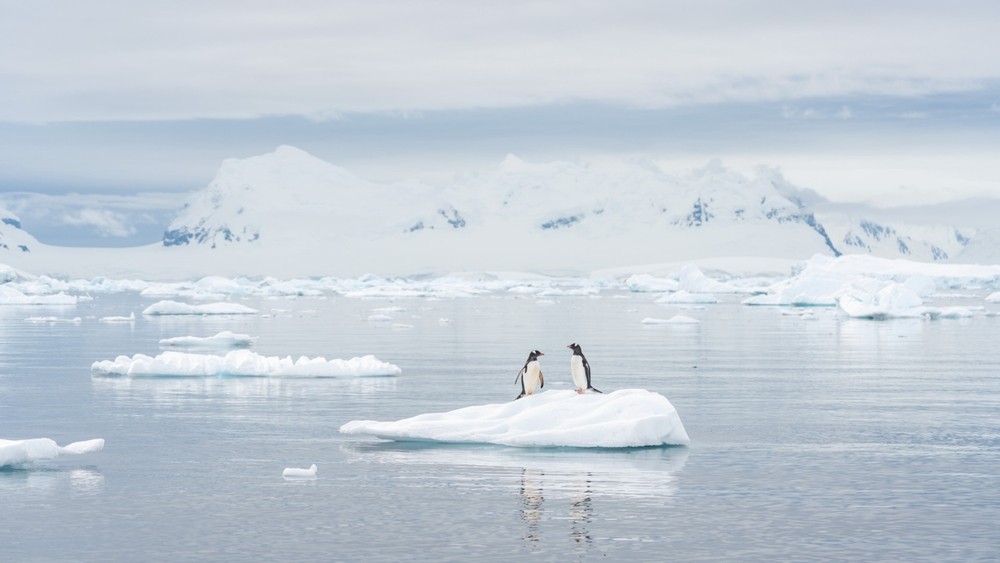
What Greenland’s Ice Tells Us About Decarbonization Urgency
格陵兰冰层向我们揭示的脱碳紧迫性
A warning buried beneath the ice
For decades, climate projections have relied on models to estimate how ice sheets respond to rising global temperatures. But sometimes, the most powerful warnings do not come from simulations of the future — they emerge from the physical memory of the Earth itself.
A recent scientific study published in Nature Geoscience has delivered such a warning. By drilling more than 1,600 feet through the Greenland ice sheet and analyzing the sediments beneath, researchers discovered that large portions of Greenland were completely ice-free as recently as 7,000–10,000 years ago. Crucially, this melting occurred when global temperatures were only slightly higher than today’s levels.
This finding challenges the perception that large-scale ice loss is a distant or extreme scenario. Instead, it reinforces a far more uncomfortable reality: climatic conditions similar to those we are already experiencing have previously led to profound and irreversible changes in the Earth’s cryosphere.
埋藏在冰层之下的警示
数十年来,气候预测主要依赖模型来估算冰盖对全球气温上升的响应。但有时,最有力的警告并非来自对未来的模拟——而是源自地球自身所保留的物理记忆。
近日,一项发表在《自然·地球科学》(Nature Geoscience)上的科学研究正是这样的警示。研究人员通过钻探超过 1,600 英尺深的格陵兰冰盖,并分析其下方的沉积物,发现就在距今约 7,000–10,000 年前,格陵兰的大部分地区曾完全没有冰层。关键在于,这一融化发生时,全球气温仅略高于当今水平。
这一发现挑战了“大规模冰层消融只会发生在遥远未来或极端情景下”的认知。相反,它强化了一个更令人不安的现实:与我们当下正在经历的气候条件相似的情形,曾经已经引发了地球冰冻圈深刻且不可逆的变化。
Reading the signal – Why this discovery matters
The Greenland ice sheet is the single largest contributor to global sea-level rise today. If it were to melt entirely, global sea levels would rise by approximately 24 feet. While such a scenario would unfold over centuries, even partial and accelerated melting could have severe consequences within decades.
What makes this new research particularly significant is not only the scale of past melting, but its timing. The sediments recovered from beneath Greenland’s ice indicate prolonged exposure to sunlight during a relatively recent geological period, when Arctic temperatures were only 3–5°C warmer than those of the late 19th century. This places the event well within the range of warming scenarios currently being discussed — and in some regions, already observed.
The implication is clear: Greenland’s ice sheet appears to be far more sensitive to temperature changes than previously assumed. Moreover, once certain thresholds are crossed, feedback mechanisms — such as reduced surface reflectivity and changes in ice elevation — may accelerate melting rather than slow it.
From a strategic perspective, this reinforces a critical message: climate risk is non-linear. Incremental temperature increases can trigger disproportionate physical and economic consequences.
解读信号——为何这一发现至关重要
格陵兰冰盖是当前全球海平面上升的最大单一贡献来源。如果其完全融化,全球海平面将上升约 24 英尺。尽管这一情景可能在数百年内逐步展开,但即便是部分且加速的融化,也可能在几十年内带来严重后果。
这项新研究尤为重要之处,不仅在于过去融化的规模,还在于其发生的时间。格陵兰冰层下方回收的沉积物表明,在相对较近的一个地质时期,冰盖曾长期暴露于阳光之下,而当时的北极气温仅比 19 世纪末高出约 3–5°C。这一温升区间,正处于当前正在讨论的情景之内——并且在某些地区已经出现。
其含义十分明确:格陵兰冰盖对温度变化的敏感性,似乎远高于此前的假设。此外,一旦跨越某些阈值,反馈机制——例如地表反射率下降以及冰层高度变化——可能会加速融化,而非减缓。
从战略角度看,这进一步强化了一条关键信息:气候风险是非线性的。看似微小的气温增量,可能引发不成比例的物理与经济后果。
Beyond science – Systemic impacts on the global economy
Sea-level rise is often discussed as an environmental issue. In reality, it is a systemic economic and geopolitical challenge.
Even moderate increases in sea level — measured in inches rather than meters — can dramatically affect:
• coastal cities and urban infrastructure
• ports and logistics hubs
• industrial zones and energy facilities
• real estate assets and insurance markets
• global supply chains and trade corridors
Both Europe and China are highly exposed. Major ports, manufacturing clusters, and population centers are concentrated along coastlines that are increasingly vulnerable to flooding, storm surges, and saline intrusion. The costs associated with adaptation, relocation, and infrastructure reinforcement are already rising — and will continue to do so.
Importantly, this research underscores that adaptation alone is not sufficient. Without accelerated decarbonization, the physical limits of adaptation will be reached faster and at much higher cost.
超越科学——对全球经济的系统性影响
海平面上升常被视为一个环境问题。实际上,它是一项系统性的经济与地缘政治挑战。
即便是以英寸而非米为单位的中等幅度海平面上升,也可能对以下方面造成重大影响:
• 沿海城市与城市基础设施
• 港口与物流枢纽
• 工业园区与能源设施
• 房地产资产与保险市场
• 全球供应链与贸易通道
欧洲和中国均高度暴露于这一风险之中。主要港口、制造业集群以及人口中心高度集中于沿海地区,而这些地区正日益受到洪水、风暴潮和海水入侵的威胁。与适应、迁移及基础设施加固相关的成本已在上升——并且还将持续增加。
尤为重要的是,这项研究强调,仅靠适应措施并不足够。如果不加速脱碳,适应的物理极限将更快到来,且代价将高得多。
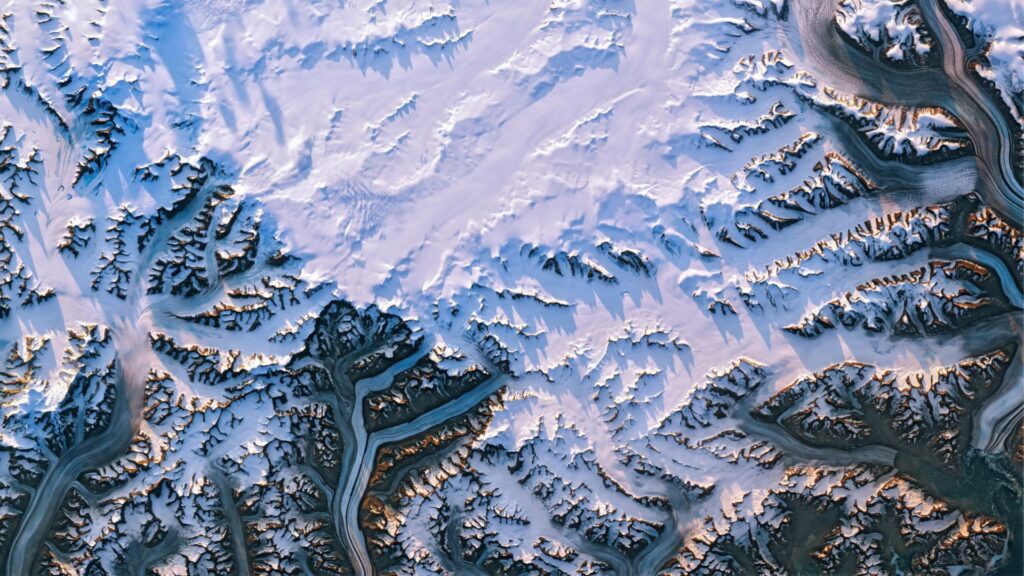
The China–EU dimension – Shared exposure, shared responsibility
China and the European Union play a central role in the global climate equation. Together, they account for a significant share of global emissions, trade flows, industrial output, and coastal infrastructure.
At the same time, they share common vulnerabilities:
• dense coastal urbanization
• heavy reliance on maritime trade
• long-lived infrastructure investments exposed to climate risk
This creates not only shared responsibility, but also shared opportunity
Scientific evidence such as the Greenland findings strengthens the case for deeper China–EU cooperation in areas including:
• climate risk modeling and data sharing
• low-carbon and climate-resilient infrastructure
• port and logistics decarbonization
• urban regeneration and coastal protection
• ESG integration and long-term investment planning
Understanding how the climate system responded in the past allows policymakers and businesses to make more informed decisions today — aligning mitigation, adaptation, and economic competitiveness.
中国—欧盟维度——共同暴露,共同责任
中国与欧盟在全球气候格局中发挥着核心作用。两者合计占据全球排放、贸易流量、工业产出以及沿海基础设施的重要份额。
与此同时,双方也面临共同的脆弱性:
• 高密度的沿海城市化,
• 对海运贸易的高度依赖,
• 易受气候风险影响的长期基础设施投资。
这不仅意味着共同责任,也孕育着共同机遇。
诸如格陵兰研究成果这样的科学证据,进一步强化了在以下领域深化中欧合作的必要性:
• 气候风险建模与数据共享
• 低碳且具备气候韧性的基础设施建设
• 港口与物流体系的脱碳
• 城市更新与海岸防护
• ESG 融合与长期投资规划
理解气候系统在过去的响应方式,有助于政策制定者与企业在当下作出更明智的决策——实现减缓、适应与经济竞争力之间的协同。
From warning to action – Why decarbonization cannot wait
One of the most important messages emerging from this research is that timing matters. Climate change is not a gradual, fully predictable process. It is characterized by thresholds, tipping points, and irreversible shifts.
Delaying decarbonization increases the probability of crossing those thresholds. Accelerating it reduces systemic risk.
For companies, this translates into:
• the need for forward-looking risk assessments
• integration of physical climate risk into investment decisions
• alignment with long-term climate and ESG objectives
• proactive engagement in low-carbon technologies and solutions
For governments and institutions, it reinforces the urgency of:
• clear and credible climate policies,
• stable regulatory frameworks,
• international cooperation based on science and data.
从警示到行动——为何脱碳刻不容缓
这项研究所传递的最重要信息之一在于:时间至关重要。气候变化并非一个缓慢、完全可预测的过程,而是由阈值、临界点和不可逆转的变化所构成。
延迟脱碳,会增加跨越这些阈值的概率;加速脱碳,则有助于降低系统性风险。
对企业而言,这意味着:
• 需要前瞻性的风险评估
• 将物理气候风险纳入投资决策
• 与长期气候与 ESG 目标保持一致
• 主动参与低碳技术与解决方案
对政府和机构而言,这进一步凸显了以下方面的紧迫性:
• 清晰且可信的气候政策
• 稳定的监管框架
• 基于科学与数据的国际合作
Bridging science, strategy, and cooperation
At CNEUCN, we view climate science not as an abstract academic exercise, but as a foundation for strategic decision-making. Insights such as those emerging from Greenland are essential to understanding the real-world risks associated with delayed action — and the opportunities created by timely transition.
The past is sending us a clear signal. The challenge now is to immediately take actions on it — together, and in time.
连接科学、战略与合作
在CNEUCN,我们认为气候科学不是一项抽象的学术活动,而是战略决策的基础。来自格陵兰岛的见解对于理解与延迟行动相关的现实风险以及及时过渡创造的机会至关重要。
过去向我们发出了一个明确的信号。现在的挑战是立即采取行动,共同并及时的行动。
 EN
EN