
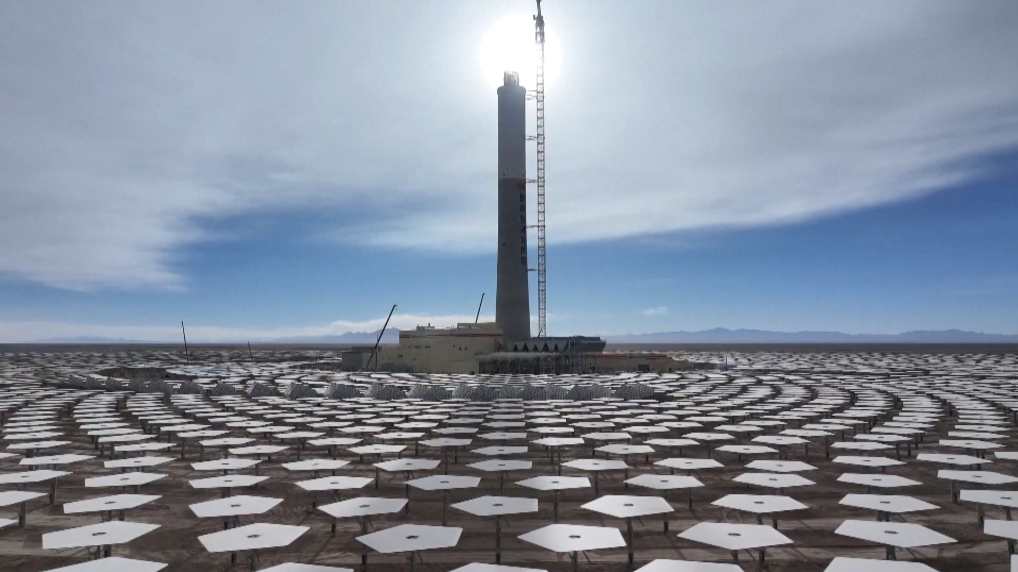
From the Gobi to Inner Mongolia, China is transforming entire landscapes into integrated renewable energy systems—reshaping industrial decarbonization, grid architecture, and the future geography of energy
从戈壁到内蒙古,中国正将整片区域打造为一体化可再生能源系统,重塑工业脱碳路径、电网架构与未来能源格局。
Energy Landscape Transformation as a New Industrial Paradigm
The global energy transition is increasingly moving beyond the concept of discrete renewable energy installations toward a more systemic and territorially integrated model that can be defined as energy landscape transformation. This emerging paradigm refers to the large-scale reconfiguration of geographic space—particularly arid, semi-arid, or low-density regions—into interconnected energy production ecosystems combining generation, storage, and transmission infrastructure.
Unlike conventional energy projects, which are typically site-specific and functionally isolated, energy landscape transformations operate at the scale of regional or macro-regional systems, integrating solar, wind, grid infrastructure, and industrial consumption nodes into a unified planning framework.
This approach reflects a structural shift in how countries are addressing decarbonization: not only through technological substitution, but through the redesign of spatial energy geographies.
Within this context, China’s ongoing expansion of renewable energy bases across its northern and western desert regions represents one of the most advanced and large-scale implementations of this paradigm globally.
能源格局转型:全新工业范式
全球能源转型正日益超越分散式可再生能源装置的传统概念,迈向更具系统性、地域一体化的新模式 —— 可定义为能源格局转型。这一新兴范式是指:将地理空间(尤其是干旱、半干旱或低密度区域)进行大规模重构,打造集发电、储能、输电基础设施于一体的互联式能源生产生态系统。
与传统能源项目通常选址单一、功能孤立不同,能源格局转型以区域或大区域系统为尺度,将光伏、风电、电网设施与工业用能节点纳入统一规划框架。
这一模式反映出各国应对脱碳的结构性转变:不仅依靠技术替代,更通过重构能源空间格局实现深度转型。
在此背景下,中国正在北部与西部沙漠地区持续扩建的可再生能源基地,是全球范围内这一范式最先进、规模最大的实践之一。
The Desert Mega-Energy Belt: System Architecture and Scale
The so-called Desert Mega-Energy Belt, spanning the Kubuqi Desert, Tengger Desert, and Gobi Desert regions, is part of China’s broader Three-North Renewable Energy Base strategy. Recent developments indicate a significant acceleration in both installed capacity targets and infrastructure integration.
Installed Capacity and Expansion Targets
Current planning frameworks and implementation data indicate:
• Multi-region renewable energy base targeting hundreds of gigawatts (GW) of cumulative installed capacity
• Large-scale solar photovoltaic deployment exceeding tens of GW per individual desert cluster
• Wind energy integration across high-resource corridors in Inner Mongolia and Gansu regions
• Progressive scaling toward multi-terawatt-hour annual electricity generation capacity
While exact consolidated figures vary by project phase, the strategic direction is clear: the creation of a continental-scale renewable energy production system.
沙漠巨型能源带:系统架构与规模
横跨库布其沙漠、腾格里沙漠与戈壁沙漠区域的沙漠巨型能源带,是中国三北可再生能源基地战略的重要组成部分。近期进展显示,其装机容量目标与基础设施集成正显著提速。
装机容量与扩建目标
根据现有规划框架与实施数据显示:
• 多区域可再生能源基地,累计装机容量目标达百吉瓦(GW)级
• 单个沙漠集群光伏装机规模超数十吉瓦
• 内蒙古、甘肃等高资源走廊风电一体化开发
• 逐步形成太瓦时(TWh)级年发电量规模
尽管各项目阶段的精确汇总数据有所差异,但战略方向清晰明确:打造大陆级可再生能源生产体系。
Infrastructure Components and System Integration
The Desert Mega-Energy Belt is not a single infrastructure project but a multi-layered industrial energy system, composed of four integrated components:
1.Renewable Generation Layer
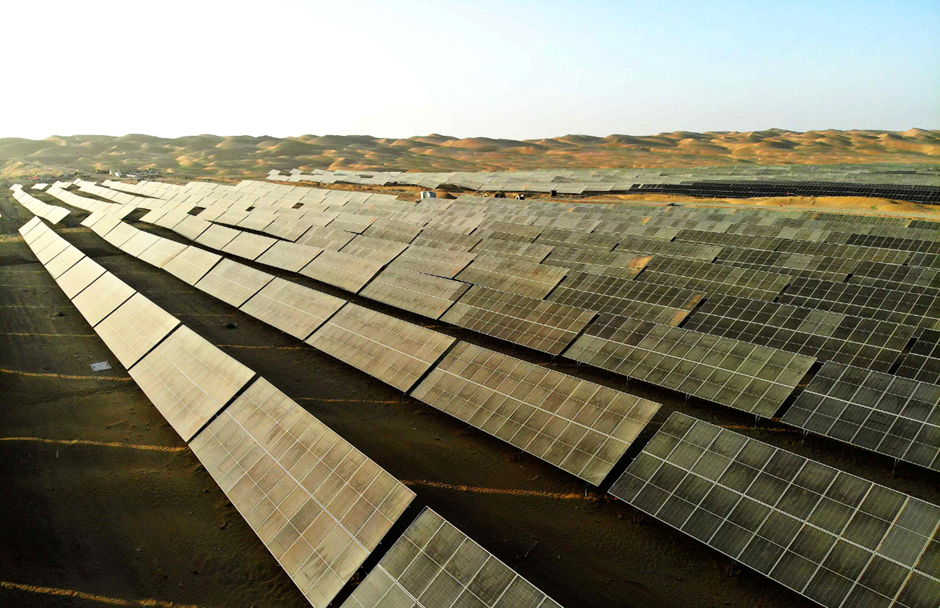
• Utility-scale photovoltaic bases (ground-mounted solar farms spanning thousands of square kilometers)
• Onshore wind clusters with high-capacity turbines optimized for desert wind corridors
• Hybrid solar-wind complementary generation systems to stabilize output variability
2.Energy Storage Systems
• Large-scale battery energy storage systems (BESS) deployed at regional hubs
• Pumped hydro storage integrated where topography allows
• Emerging hydrogen-based storage pilots linked to surplus renewable generation
3.Ultra-High Voltage (UHV) Transmission Network
• Expansion of ultra-high voltage AC/DC corridors
• Long-distance transmission lines connecting western generation bases to eastern industrial and urban demand centers
• Designed to reduce curtailment and optimize cross-regional load balancing
4.Digital Grid Management Systems
• AI-based dispatch optimization platforms
• Real-time load balancing and forecasting systems
• Integration with national carbon accounting and energy trading platforms
基础设施组成与系统集成
沙漠巨型能源带并非单一基础设施项目,而是由四大集成模块构成的多层级工业能源系统:
1.可再生能源发电层
• 大型地面光伏基地(覆盖数千平方公里的集中式光伏电站)
• 适配沙漠风走廊的大容量陆上风电机组集群
• 风光互补发电系统,平抑出力波动
2.储能系统
• 区域枢纽部署的大型电池储能系统(BESS)
• 因地制宜建设的抽水蓄能
• 依托富余可再生电力开展的氢能储能示范项目
3.特高压(UHV)输电网络
• 特高压交流 / 直流输电通道扩容
• 连接西部能源基地与东部工业、城市负荷中心的远距离输电线路
• 旨在降低弃电率、优化跨区域负荷平衡
4.数字电网管理系统
• 基于人工智能的调度优化平台
• 实时负荷平衡与预测系统
• 与国家碳核算、能源交易平台互联互通
System Efficiency and Decarbonization Impact
The strategic significance of the Desert Mega-Energy Belt lies not only in scale but in its system efficiency effects on China’s broader decarbonization trajectory.
Direct Impacts
• Substitution of coal-fired generation in eastern and coastal industrial provinces
• Reduction of marginal electricity carbon intensity through high penetration of renewables
• Improved grid stability through diversified generation portfolios
• Increased capacity factor optimization via geographic dispersion
Industrial Energy Reconfiguration
The system directly enables:
• Electrification of energy-intensive industries (steel, chemicals, cement)
• Development of green hydrogen production clusters based on surplus renewable energy
• Expansion of data center corridors powered by low-carbon electricity
• Support for emerging carbon-neutral industrial parks in inland regions
系统效率与脱碳效益
沙漠巨型能源带的战略意义,不仅在于规模,更在于其对中国整体脱碳路径带来的系统效率提升。
直接影响
• 替代东部及沿海工业省份的燃煤发电
• 通过高比例可再生能源渗透,降低电力边际碳强度
• 通过多元化电源组合提升电网稳定性
• 通过地理空间分散布局优化容量因子
工业用能重构
该体系直接支撑:
• 高耗能产业(钢铁、化工、水泥)电气化
• 依托富余可再生能源打造绿氢产业集群
• 拓展低碳电力供电的数据中心走廊
• 支持内陆地区新建碳中和工业园区
Indirect and Systemic Development Effects
Beyond direct energy substitution, the Desert Mega-Energy Belt introduces several second-order systemic effects with broader industrial relevance:
1.New Industrial Geography Formation
The clustering of energy generation and transmission infrastructure is gradually reshaping China’s industrial geography, enabling:
• relocation of energy-intensive production closer to renewable supply bases
• reduction of coastal energy stress
• development of inland industrial corridors
2.Material and Construction Demand Acceleration
The scale of infrastructure deployment generates sustained demand for:
• steel (including low-carbon steel pathways)
• cement and construction materials
• advanced grid components and power electronics
This reinforces parallel decarbonization efforts in the materials sector, particularly circular construction and low-carbon material innovation.
3.Technology System Export Potential
The integrated nature of the system creates exportable technological packages in:
• UHV transmission systems
• large-scale renewable energy integration models
• grid digitalization and AI-based energy management systems
This positions China not only as a deployer of renewable capacity, but as a system architect of large-scale energy infrastructure models.
间接及系统性发展效应
除直接能源替代之外,沙漠巨型能源带还带来若干具有更广产业价值的次级系统性效应:
1.全新产业地理格局形成
发电与输电基础设施的集聚布局,正逐步重塑中国产业地理格局,进而实现:
• 推动高耗能产业向可再生能源供给基地就近布局
• 缓解沿海地区能源供给压力
• 培育内陆产业经济走廊
2.拉动建材与工程建设需求
大规模基础设施建设,将持续催生对以下品类的需求:
• 钢材(含低碳钢铁生产路径)
• 水泥及各类建筑材料
• 高端电网设备与电力电子器件
这也同步带动材料行业脱碳进程,尤其推动循环建筑与低碳材料创新发展。
3.技术体系对外输出潜力
该一体化系统形成了可成套对外输出的技术方案,涵盖:
• 特高压输电体系
• 大规模可再生能源集成模式
• 电网数字化及人工智能能源管理系统
这使中国不仅成为可再生能源装机的落地应用方,更跻身大型能源基建模式的系统架构设计者。
Strategic Implications for Global Decarbonization
The Desert Mega-Energy Belt represents a structural shift in global decarbonization pathways, with three key implications:
1.From Project-Based to System-Based Decarbonization
• Transition from isolated renewable assets to integrated territorial energy systems
2.From Generation Expansion to Spatial Energy Reconfiguration
• Energy production is increasingly decoupled from consumption geography
3.From Energy Transition to Industrial System Transition
• Renewable energy becomes a foundational layer for industrial restructuring, not only power substitution
对全球脱碳的战略意义
沙漠巨型能源带标志着全球脱碳路径出现结构性转变,具备三大核心战略启示:
1.从项目式脱碳迈向系统式脱碳
• 从孤立分散的可再生能源单体项目,转型为地域一体化能源系统。
2.从装机扩容迈向能源空间重构
• 能源生产与消费地理格局逐步解耦分离。
3.从能源转型迈向工业体系转型
• 可再生能源不再只是电力替代手段,更成为产业结构重构的底层支撑。
Outlook
The Desert Mega-Energy Belt illustrates a new phase in global energy transition dynamics, in which decarbonization is no longer defined solely by technology substitution, but by the large-scale redesign of energy geographies and industrial systems.
Its significance lies not only in installed capacity or infrastructure scale, but in its ability to function as a system-level enabler of industrial electrification, material transformation, and regional economic rebalancing.
In this sense, it represents one of the most advanced real-world examples of energy landscape transformation currently underway globally, with direct relevance for future models of integrated carbon neutrality planning and industrial system design.
展望
沙漠巨型能源带诠释了全球能源转型发展的全新阶段:脱碳不再单纯依靠技术替代,而是通过能源地理格局与工业体系的大规模重构来实现。
其价值不仅体现在装机规模与基建体量,更在于能够从系统层面赋能工业电气化、材料转型与区域经济再平衡。
从这一意义而言,它是全球当前推进能源格局转型最具代表性的前沿实践案例,可为未来一体化碳中和规划与工业体系设计模式提供直接参考借鉴。
#EnergyTransition #能源转型
#Decarbonization #脱碳
#RenewableEnergy #可再生能源
#EnergyInfrastructure #能源基础设施
#GridInnovation #电网创新
#IndustrialTransformation #产业转型
#CarbonNeutrality #碳中和#EnergySystems
#能源系统 #ChinaEnergy#中国能源
#SustainableDevelopment #可持续发展
 EN
EN