
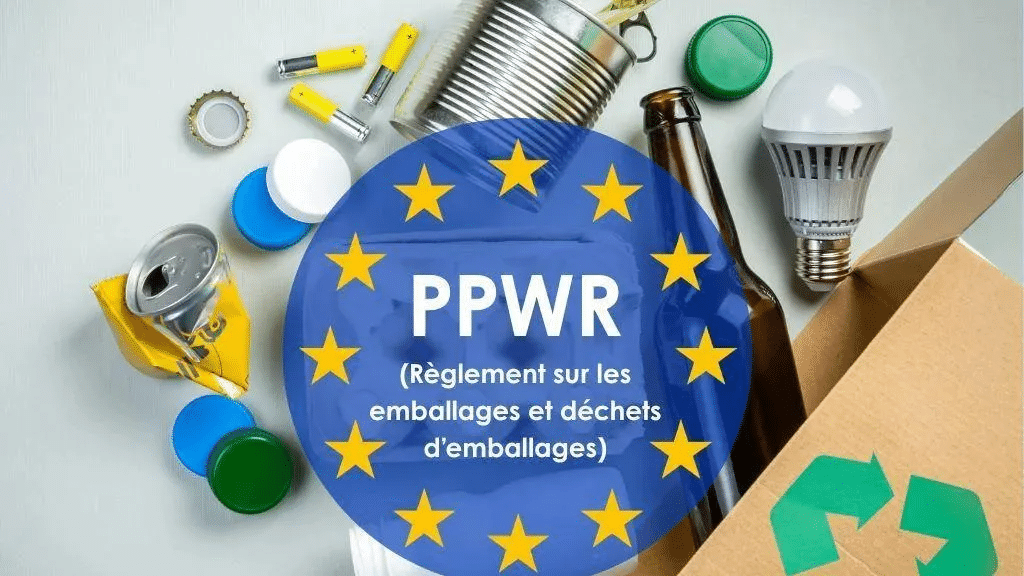
New packaging requirements are reshaping how products are designed, packaged and placed on the European market
全新包装合规要求正重塑产品的设计、包装及欧盟市场上市全流程
Introduction
Packaging is increasingly becoming an integral part of the sustainability performance of products traded internationally.
The European Union’s Packaging and Packaging Waste Regulation (PPWR) has now become applicable across the bloc, replacing the EU’s previous packaging framework dating from 1994. The regulation establishes requirements covering packaging placed on the EU market, including chemical restrictions, recyclability, producer responsibility and other compliance obligations.
According to the European Commission, the regulation aims to reduce the volume of packaging and packaging waste, decrease the use of primary raw materials and support the transition towards a more sustainable and competitive economy.
For companies involved in international trade, this represents a broader shift: sustainability requirements are increasingly moving from voluntary corporate commitments into product-level and supply-chain requirements.
This development is particularly relevant for China–EU trade. According to Chinese customs data, Chinese exports to the EU reached US$370 billion during the first seven months of 2026, representing a 16.7% year-on-year increase.
引言
包装正日益成为国际贸易产品可持续表现中不可或缺的一环。
欧盟《包装和包装废弃物法规》(PPWR)现已在全欧盟范围内正式施行,取代欧盟 1994 年出台的旧版包装框架指令。该法规针对投放欧盟市场的各类包装设立多项强制要求,涵盖化学品限制、可回收性能、生产者延伸责任及其他合规义务。
欧盟委员会表示,此项法规旨在削减包装及包装废弃物总量、减少原生原材料消耗,并助力欧盟向更具可持续性与竞争力的经济模式转型。
对从事国际贸易的企业而言,这标志着一场大范围转变:可持续相关要求正逐步从企业自愿承诺,转变为针对产品层面与全供应链的强制性规范。
这一政策变化对中欧贸易影响尤为突出。中国海关数据显示,2026 年前七个月中国对欧盟出口额达 3700 亿美元,同比增长 16.7%。
The Packaging Regulation Establishes a More Unified Framework
One of the significant changes is the move towards a more unified regulatory framework.
Under the previous EU packaging directive, individual Member States had greater flexibility in establishing national requirements. The PPWR introduces a more harmonised approach across the EU, reducing the possibility of addressing packaging requirements through different national market-entry strategies.
The scope is also extensive.
The regulation can affect packaging formats ranging from:
• E-commerce bubble wrap and protective packaging;
• Industrial stretch film;
• Metal cans;
• Plastic bottles;
• Food packaging and sachets;
• Packaging used in cosmetics, electronics, automotive components and medical devices.
This broad coverage means that packaging can no longer be treated simply as a logistical component of international trade. Instead, it increasingly becomes part of the product’s sustainability and compliance profile.
包装法规搭建统一化监管框架
本次重大变革之一,是欧盟构建起一套标准更为统一的监管体系。
此前欧盟执行旧版包装指令时,各成员国拥有较大自主空间,可自行制定本国包装管控标准。而《包装和包装废弃物法规》(PPWR)在全欧盟推行高度协调统一的监管规则,企业无法再针对不同成员国采用差异化的市场准入方案应对包装合规要求。
该法规管控覆盖范围十分广泛,涉及各类包装形态,包括:
• 电商气泡膜、缓冲防护包装
• 工业缠绕膜
• 金属罐体
• 塑料瓶
• 食品包装与复合小包装袋
• 化妆品、电子产品、汽车零部件及医疗器械配套包装
如此宽泛的管控范围意味着,包装不再仅仅被视作国际贸易的物流附属配件;如今包装已成为产品可持续属性与合规资质中至关重要的组成部分。
Compliance Is Expanding from Materials to Management Systems
The PPWR introduces requirements that extend beyond the physical characteristics of packaging.
Such as, restrictions on per- and polyfluoroalkyl substances (PFAS) in food-contact packaging, alongside existing limits on heavy metals. Companies must also prepare written declarations of conformity for different packaging types and register in relevant EU Member States where products are first introduced.
This creates a more comprehensive compliance chain involving:
Material selection → Packaging design → Testing → Documentation → Registration → Market access
A main challenge will increasingly be not only whether companies have the technical capability to meet requirements, but whether they have the operational awareness and management systems necessary to manage compliance. This distinction is fundamental.
Sustainability compliance is progressively becoming a management capability, rather than a single technical certification exercise.
合规管控范围:从包装材料延伸至企业管理体系
《包装和包装废弃物法规》(PPWR)提出的管控要求,已不再局限于包装本身的物理材质指标。
例如,法规除沿用原有重金属限值规定外,新增食品接触类包装中全氟和多氟烷基物质(PFAS)的使用限制。企业还需针对各类包装出具书面符合性声明,并在产品首次投放的欧盟成员国完成注册。
由此形成一条完整闭环合规链条:
材料选型 → 包装设计 → 检测验证 → 文件归档 → 主体注册 → 市场准入
企业面临的核心挑战逐渐发生转变:不再单纯是是否具备满足法规的技术能力,而是是否拥有合规运营意识、配套管理体系以统筹全流程合规工作。这一转变至关重要。
可持续合规正逐步成为企业一项常态化管理能力,而非单次技术性认证工作。
The Transition towards Circular Packaging
Another important feature of the PPWR is its longer-term focus on recycled content and recyclability.
Not all requirements apply immediately. Certain provisions, including minimum recycled-content requirements for plastic packaging and specific recyclability requirements, will be introduced progressively.
Anyhow, as already happened, European buyers may establish sustainability requirements ahead of mandatory regulatory deadlines as part of their own procurement and sustainability strategies.
For suppliers, therefore, regulatory compliance represents only one dimension of market readiness.
向循环包装体系转型
《包装和包装废弃物法规》(PPWR)另一核心特点,是其长期聚焦再生材料含量与包装可回收性能。
并非所有条款即刻生效。塑料包装最低再生料占比、特定可回收性标准等部分规定将分阶段落地实施。
即便法规尚未到强制生效节点,欧洲采购商往往已先行出台环保要求,并将其纳入自身采购与可持续发展战略,这类情况现已十分普遍。
因此对供应商而言,满足法规强制要求只是开拓欧盟市场所需具备条件的其中一环。
Industrial and Market Implications
The implications extend across the entire supply chain.
For manufacturers and exporters, packaging requirements may influence product design, procurement, material sourcing, supplier management and documentation.
Companies may increasingly need to develop capabilities in:
• Packaging material traceability
• Recycled-material sourcing
• Product and packaging lifecycle assessment
• Supplier sustainability data collection
• Environmental compliance documentation
• Third-party testing and verification
• Packaging redesign and material optimization
These developments are consistent with the broader transition towards circular economy models, where reducing waste and maximizing resource utilization become integrated into industrial processes rather than addressed only at the end of a product’s lifecycle.
For companies operating on narrow margins, additional compliance costs can present a practical challenge.
However, from a longer-term industrial perspective, packaging transformation can also encourage companies to reconsider resource efficiency, material use and product lifecycle management.
行业与市场影响
该法规带来的影响贯穿整条供应链。
对于生产厂商与出口企业,包装合规要求将左右产品设计、采购、原料供应、供应商管理及全套文件归档工作。 企业需逐步搭建以下配套能力:
• 包装材料溯源管理
• 再生原料采购渠道搭建
• 产品与包装全生命周期评估
• 供应商可持续发展数据归集
• 环保合规文件编制
• 第三方检测与核验
• 包装重新设计及用料优化
上述变革与全球向循环经济模式转型的大趋势高度契合:减废、资源高效利用将融入生产全流程,而非仅在产品生命周期末端进行处理。
对于利润空间微薄的企业,新增合规成本将构成现实经营压力。 但从长期产业发展视角来看,包装升级转型也将倒逼企业重新审视资源利用率、原材料消耗及全生命周期管理模式。
Outlook
The evolution of packaging regulation provides another area where China–EU cooperation can focus on technical understanding, standards, innovation and knowledge exchange.
China and the EU already have longstanding cooperation on climate change and sustainability. Packaging provides a practical entry point for this cooperation.
Potential areas include:
• Circular packaging technologies;
• Recycled and alternative materials;
• Sustainable packaging design;
• Digital traceability;
• Lifecycle assessment;
• Environmental data management;
• Testing and certification;
• Knowledge exchange on circular economy practices.
The objective is not simply to respond to individual regulatory requirements, but to strengthen the capacity of companies and industrial ecosystems to operate within an increasingly sustainability-oriented international market.
The implementation of the PPWR marks an important step in the development of the EU’s packaging and circular economy framework.
For international suppliers, the key development is not simply the introduction of new packaging requirements. It is the gradual integration of environmental performance, product design, material selection and compliance management into market access.
At the same time, uncertainties remain regarding practical enforcement, accepted certifications, registration procedures and differences in implementation. These operational questions remain an area requiring further clarification.
For businesses engaged in China–EU trade, early preparation can therefore be valuable. Developing better packaging data, improving material traceability, strengthening supplier coordination and integrating circular-economy principles into product design can help companies build greater resilience as sustainability requirements continue to evolve.
The transition towards sustainable packaging is ultimately part of a larger industrial transformation: from a linear model based on material consumption and waste towards more circular, resource-efficient and resilient value chains.
For China and Europe, this transition also creates opportunities for continued exchange of technologies, knowledge and industrial practices—supporting a more sustainable and resilient pathway for international trade.
展望
包装法规的迭代升级,为中欧双方搭建了全新合作赛道,可围绕技术互通、标准对接、技术创新与经验交流开展深度协作。
中欧在气候变化与可持续发展领域早已建立长期合作机制,包装领域是落地双方合作的务实切入点。 双方可开展合作的潜在方向包括:
• 循环包装技术研发应用
• 再生材料与替代环保原料
• 可持续包装设计方案
• 数字化溯源体系搭建
• 产品全生命周期评估
• 环境数据规范化管理
• 检测与认证体系互认
• 循环经济实操经验交流
双方合作的核心目标并非仅应对单一法规条款,而是提升企业及产业生态圈的综合能力,使其能够适应全球市场日益严苛的可持续发展导向。
《包装和包装废弃物法规》(PPWR)落地实施,标志着欧盟包装治理与循环经济制度体系建设迈出关键一步。 对全球供应商而言,本次变革的核心并非新增若干包装管控条款,而是环保性能、产品设计、原料选型、合规管理将全面融入欧盟市场准入全流程。
与此同时,法规落地执行层面仍存在诸多不确定因素:实际监管执法尺度、认可的认证资质、企业注册流程、各成员国执行差异等实操问题,仍有待欧盟进一步细化说明。
因此,从事中欧贸易的企业提前布局筹备极具价值:完善包装全链条数据、提升原材料溯源能力、强化上下游供应商协同、将循环经济理念融入产品前端设计,能够帮助企业在可持续法规持续更新的环境下筑牢抗风险能力。
可持续包装转型本质上是一场宏大产业变革:产业模式将告别依赖原料消耗、产生大量废弃物的线性经济,转向资源高效利用、抗风险能力更强的循环价值链。
对中、欧两大经济体而言,此次转型也创造了持续开展技术、知识、产业实践互通的契机,共同推动国际贸易走上更可持续、更具韧性的发展道路。
#CNEUCN #仲欧脱碳科技
#ChinaEU #中欧合作
#CircularEconomy #循环经济
#SustainablePackaging #可持续包装
#PPWR #欧盟包装废弃物法规
#Sustainability #可持续发展
#ESG #环境、社会与公司治理
#GreenTransition #绿色转型
 EN
EN